Best Perfume for Women in India: A Modern Guide
Bella Vita, Zara, Chanel, Victoria’s Secret, Skinn — the bestseller list is exhausting. Here’s a smarter framework for choosing (or blending) the perfume that actually feels like you.
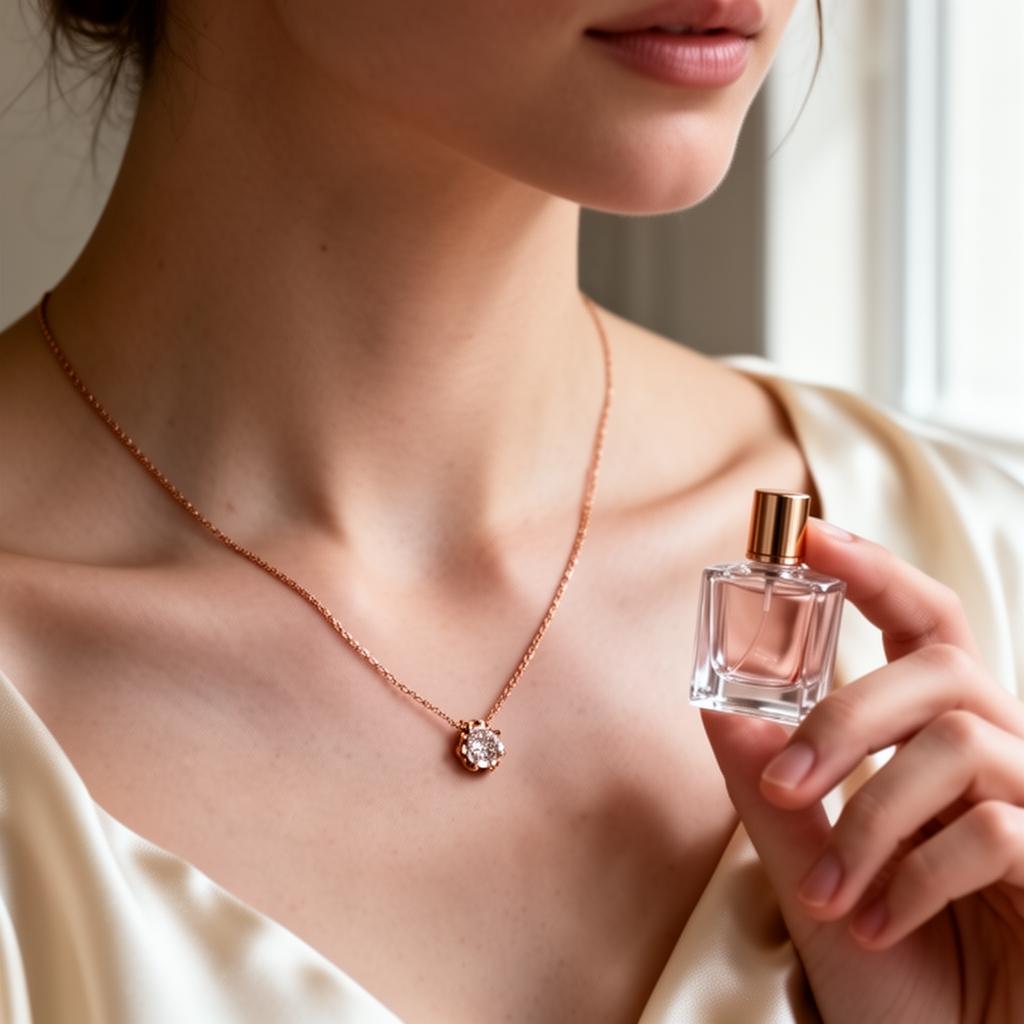
The best perfume for a woman in India is the one that matches her scent family, her climate and her skin — not the one topping the bestseller list. Work out whether you lean floral, gourmand, fresh or warm-woody, choose a concentration that suits the season, and test it on skin for a full day. That method beats any shortlist.
There is a moment every Indian woman knows. You walk into a sangeet, a friend hugs you, and you realise three of you are wearing the same Zara bestseller. It is not embarrassing exactly. It is just flat. Perfume is supposed to be the one outfit nobody can copy.
What is actually on the shelf right now
If you are shopping the mainstream shelf, here is the honest landscape. Bella Vita is the new Indian D2C juggernaut, gourmand, sweet, very wearable. Chanel No. 5 and Coco Mademoiselle are classic, dependable, expensive and ubiquitous. Versace Bright Crystal and Eros Pour Femme are fresh, floral, loud. Victoria's Secret Bombshell is the pink fruit-floral 'safe pretty' that took over college campuses around 2018. Zara has shockingly good dupes, but everyone owns them.
All fine bottles. None of them you.
By price, roughly: under ₹1,200 gets you Indian D2C EDPs with four to five hours of wear. ₹1,200–3,500 is where Bella Vita, Skinn and the better Indian niche houses sit, and where value peaks. ₹3,500–9,000 is designer territory with genuinely better raw materials. Above that you are buying niche perfumery and rarity, which is a legitimate thing to buy — just know that is what you are paying for.
Start with your scent family, not a brand
Step back. The real question is not which perfume is best for women in India. It is which scent family makes you feel most yourself. Quick gut check. Do you reach for jasmine, mogra, gulab? You are a floral. Coffee, vanilla, almond? You are a gourmand. Tea, fig, freshly washed cotton? Fresh / green. Sandalwood, oud, amber? Warm woody. That is your starting line, and almost everyone misses it because the SA at the counter does not ask.
There is a fifth worth naming here because it is so common in India and so rarely labelled: the spiced floral. Rose with saffron, jasmine with cardamom, tuberose with clove. If Western florals have always felt slightly thin to you, this is probably where you belong, and it is the family Indian perfumery does better than anyone.
Once you know your family, everything gets easier. You stop testing forty bottles and start testing four, and you stop buying things you liked in a shop and never wore.
Why the same perfume smells different on you
The next move most women skip is adjusting for Indian skin and Indian weather. Western EDPs were built for cool, dry European air. On warm Indian skin they often go louder and sweeter than the brand intended. A softer, oil-heavy formulation almost always wears more elegantly here, which is half the reason attar has survived four centuries while half the imported colognes change their formula every two years.
Skin type does the rest. Dry skin loses a fragrance in three hours unless you lay down an unscented moisturiser first. Oily skin pushes base notes forward, so a vanilla-amber that reads as cosy on your friend can go frankly dessert-like on you. And skin pH shifts through the month, which is why a bottle you love sometimes seems off for a few days and then comes back.
The practical fix is not a better perfume. It is a lighter hand and a lighter concentration in summer, and moisturiser under the pulse points always.
Choosing by season and occasion
March to June, 38–42°C: light EDT, fresh or green, applied to the neckline and the hair rather than the wrists, which sweat. Anything dense and sweet turns cloying in that heat within an hour.
Monsoon: humidity holds scent in the air beautifully, so this is when a mid-weight floral performs best. Slightly less product than you think.
Wedding season and winter: this is when the heavy stuff earns its place. Oud, amber, rose-saffron, tuberose. An attar at the nape under your hair survives a full sangeet and a reception where a spray will not. Wearing scent to a wedding is a different exercise from wearing it to work — our wedding gifting guide goes into it.
AC office: less than instinct suggests. Cold recirculated air keeps a fragrance hanging around for hours, and a two-spray habit is more than enough.
The move nobody at the counter can sell you
Then there is the move nobody on the shelf can sell you: blending your own. A DIY perfume kit gives you six premium oils, a beaker, and the freedom to build a personal scent that exists in exactly one bottle on earth. It takes an evening. It lasts months. Nobody copies you.
What that looks like in practice: pick a family, build 20% top, 50% heart, 30% base, rest it three weeks in a dark cupboard, wear it. Most women who come through our workshops land on their real signature by the third attempt — the first is usually too sweet, the second overcorrects, the third is the one they wear for two years.
Our Signature Kit is built for this exact use case — refined oils tuned for a single unmistakable signature, calibrated to Indian climates and Indian skin. Floral, woody, fresh, warm — every direction is on the table.
When you should just buy the bottle
Blending is not always the right call, and I would rather say so. If you have a scent you already love and wear happily, do not replace it out of novelty. If you need something for a wedding in ten days, buy — a blend needs three weeks to settle and rushing it produces something harsh. And if fiddling with droppers on a Sunday sounds like work rather than pleasure, that is a completely reasonable position.
The framework still helps though, even if you never blend a thing. Know your family, test on skin for a day, buy two bottles split by season instead of one for the year. That alone fixes most perfume regret. If you want the full testing method, how to choose a perfume lays it out step by step.
Wear what other people wear if it makes you happy. But if you want the compliments that come with the line 'what is that, I have never smelled it before', there is only one path. Build it yourself.
"A great women’s perfume in India is not the most-bought one. It’s the one that makes the room quietly turn before they’ve figured out why."
Signature Kit ₹3,499
Studio 9 Spectrum palette — nine notes, our widest range from citrus tops to deep woods.
Every kit includes complimentary access to the AI Perfume Studio — personalised recommendations, step-by-step mixing guidance, and a place to save and refine your blends.
Frequently asked
- Which perfume is best for women in India?
- There is no single best. It comes down to your scent family — floral, gourmand, fresh, warm-woody or spiced floral — plus your climate and skin type. Identify the family you already gravitate toward, then test three options from it on skin for a full day each.
- Which perfume lasts longest for women in India?
- Higher concentrations with heavy base notes. An EDP at 15–20% oil with sandalwood, amber, oud or musk in the base holds eight hours or more, while a citrus-led EDT rarely passes four. Oil-based attars outlast both in heat.
- Why do Western perfumes smell different on Indian skin?
- They were formulated for 18–22°C European air. On warmer skin they project louder and read sweeter than the brand intended, and oily skin pushes base notes further forward. Oil-heavy attars and Indian-tuned EDPs usually behave more gracefully here.
- What is a good perfume budget for women in India?
- ₹1,200 to ₹3,500 is where value peaks in 2026 — good Indian D2C and niche houses, five to seven hours of wear. Under ₹1,200 expect shorter longevity. Above ₹3,500 you are paying for better raw materials and, past ₹9,000, for rarity.
- How many perfumes should I own?
- Two is genuinely enough for most people here: something light and fresh for the March-to-June heat, and something warmer for winter and evening events. A third for weddings and occasions is a nice-to-have rather than a necessity.
- Where should women apply perfume in hot weather?
- The neckline, the base of the throat and lightly through the hair, rather than the wrists, which sweat and lose scent fastest in heat. Apply over lightly moisturised skin so the fragrance has something to hold on to.
- Is a DIY perfume kit worth it for women who don't want to smell like everyone else?
- Yes, if you enjoy the process. You build a unique signature over an evening plus three weeks of resting, tuned to your own skin, with a recipe nobody else has. If you need something to wear next week, buy a bottle instead.
Editorial Lead, Whiff & When
Aanya writes about Indian perfumery, scent memory and the slow craft of building a signature fragrance. She has been blending at home for over a decade and leads editorial at Whiff & When.
Stories like this, once a month
Quiet musings on scent, memory and the rituals of personal blending.
Continue Reading
Best Perfume for Women: The New Feminine in Indian Fragrance
Soft, sharp, undefinable — what women in India are choosing and blending now, and what it says about a generation rewriting the rules of personal perfume.
Signature Scent Guide: Fragrance Wardrobing for the High-Achiever
Designing a small rotation of signature scents to match the texture of your week — and why a DIY perfume kit is the cheapest way to build a real fragrance wardrobe.
Chasing Night-Blooming Jasmine: A Note on Indian Florals
A pre-dawn journey through the floral markets of Madurai, the truth about Parijat attar, and how to use Indian jasmine as a heart note in a DIY perfume kit.
Build a Perfume Together
Date night, gifting, or a quiet evening alone — every Whiff & When kit is an invitation to make something only you could make.
Shop the Kits