The Poetics of Sandalwood: Building an Indian Signature Scent at Home
Mysore sandalwood is the quiet anchor of Indian perfumery — and the easiest base note to start with when you make your own perfume at home with a DIY kit.
The Olfactory Index
Recent Musings
January 12, 2025 →
Anatomy of a Perfume Note: Top, Heart and Base, Explained
A working guide to the three-act structure of every fragrance — and how to use top, heart and base notes when you blend your own perfume with a DIY kit.
How to Build a Scentscape: Fragrance Layering for Every Room
The subtle art of layering room sprays, candles, and a personal blended perfume to create a narrative environment in an Indian home.
Date Night Scents: What to Wear (or Blend) for the Second Date
The first date asks for armor. The second asks for something quieter — and a DIY perfume blended together makes the most memorable date night gift of all.
Signature Scent Guide: Fragrance Wardrobing for the High-Achiever
Designing a small rotation of signature scents to match the texture of your week — and why a DIY perfume kit is the cheapest way to build a real fragrance wardrobe.
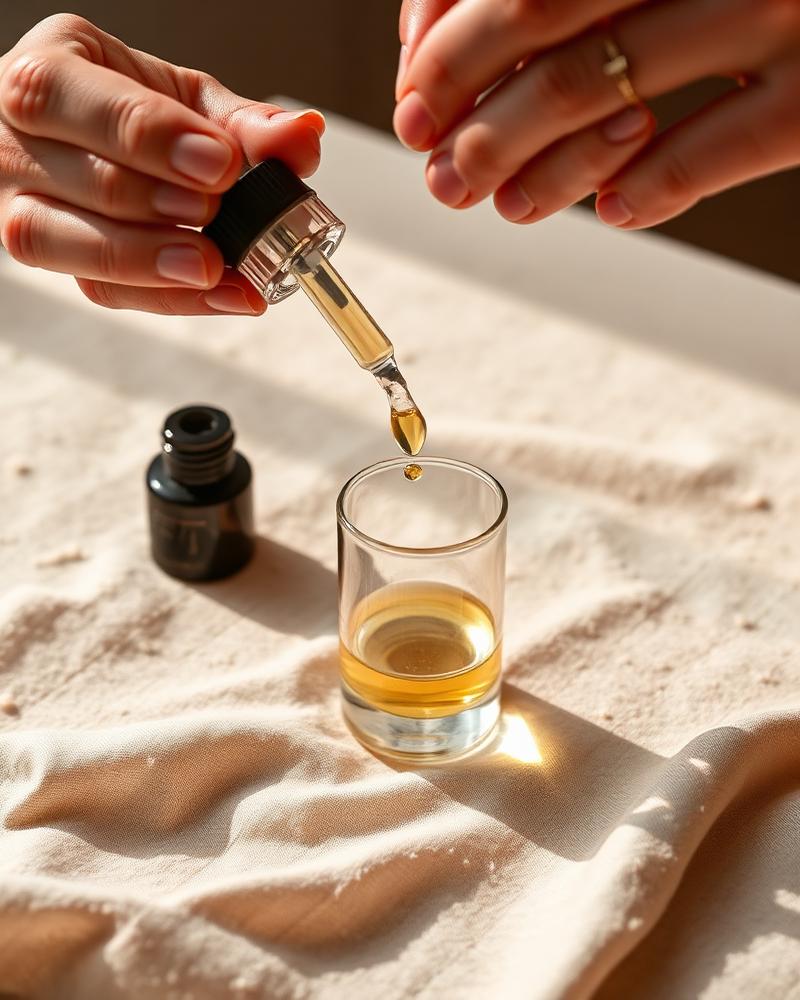
Perfume Psychology: Why We Wear What We Wear
The hidden psychology of perfume choice — and what your favourite bottle, or the personalized blend you mix yourself, says about your nervous system.
How to Make Your Own Perfume: A Beginner's Guide to Formulation
Demystifying the math behind the top, heart and base notes — a step-by-step guide to using your first DIY perfume kit at home in India.
Personalized Perfume Gifts: Why a DIY Kit Beats a Designer Bottle
Why gifting a DIY perfume kit is more meaningful than a pre-bottled designer fragrance — the smartest couple, anniversary and corporate gift idea of the year.
The Quiet Rise of Indian Luxury Perfumery
From Kannauj attars to a new generation of independent maisons and DIY fragrance brands, why the global luxury perfume map is being redrawn from India.
Chasing Night-Blooming Jasmine: A Note on Indian Florals
A pre-dawn journey through the floral markets of Madurai, the truth about Parijat attar, and how to use Indian jasmine as a heart note in a DIY perfume kit.
Best Perfume for Men in India: Beyond the Cologne Cliché
Why the marine, sporty fragrance template is finally dying — and what thoughtful Indian men are wearing, blending and gifting instead.
Best Perfume for Women: The New Feminine in Indian Fragrance
Soft, sharp, undefinable — what women in India are choosing and blending now, and what it says about a generation rewriting the rules of personal perfume.
Unisex Perfume: The Case for Scent Without Borders
Why the gender label on the bottle is the least interesting thing about it — and why a DIY perfume kit is the most honest way to find a unisex signature scent.
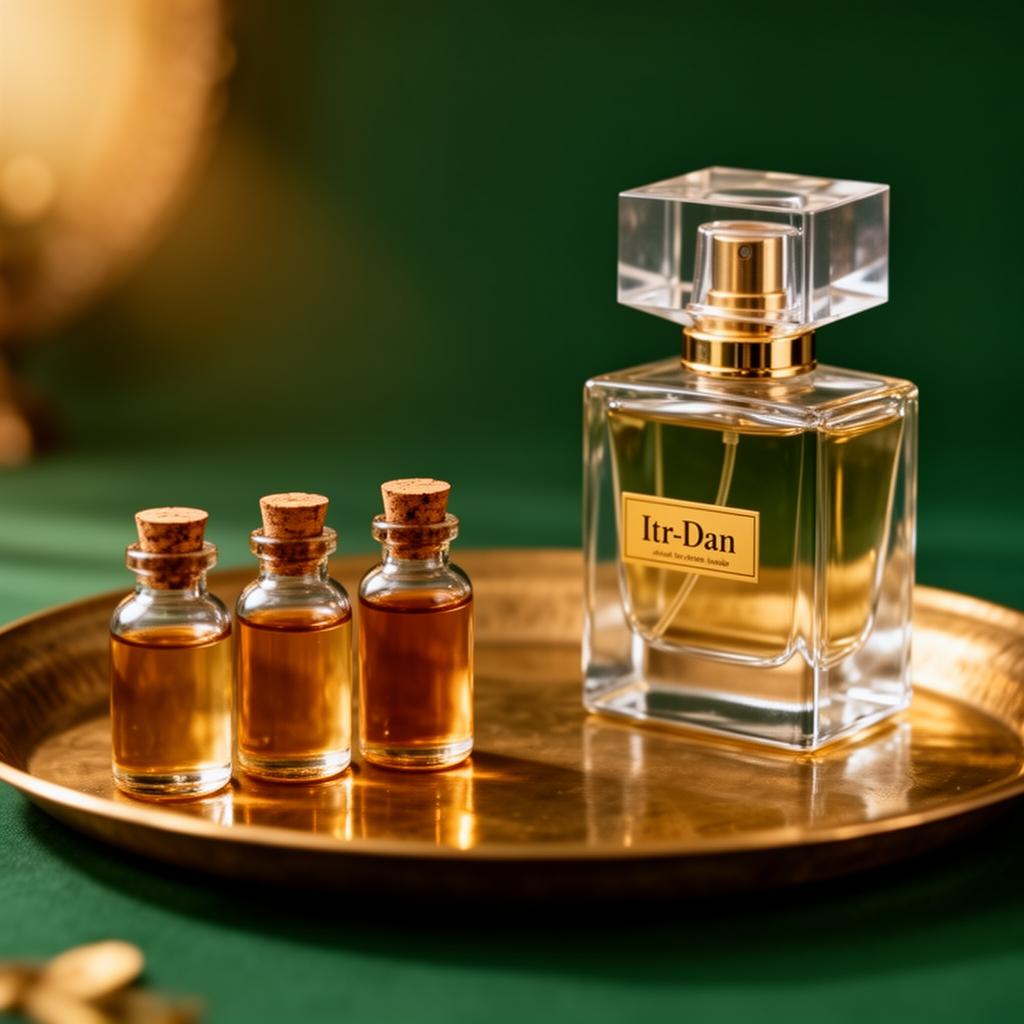
Attar vs Perfume: What Indians Actually Mean When They Say ‘Ittar’
Attar, ittar, eau de parfum, EDT — the words get used interchangeably in India but they are not the same thing. A plain-English guide for anyone choosing a scent (or building one).
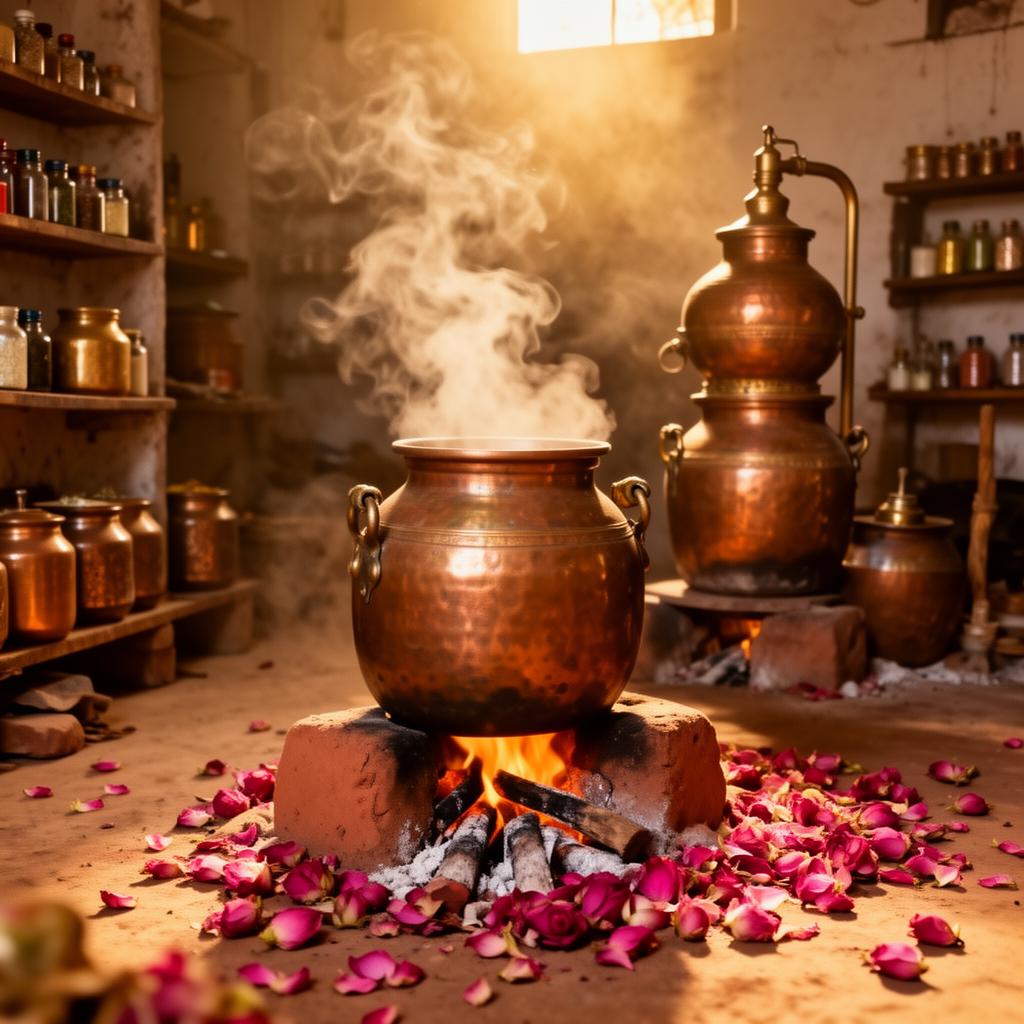
Kannauj: The Tiny UP Town That Quietly Bottles Indian Summer
Kannauj has been distilling attar for over 400 years — and is the only place on earth still making *mitti attar*, the smell of the first monsoon rain. A field-note from India’s perfume capital.
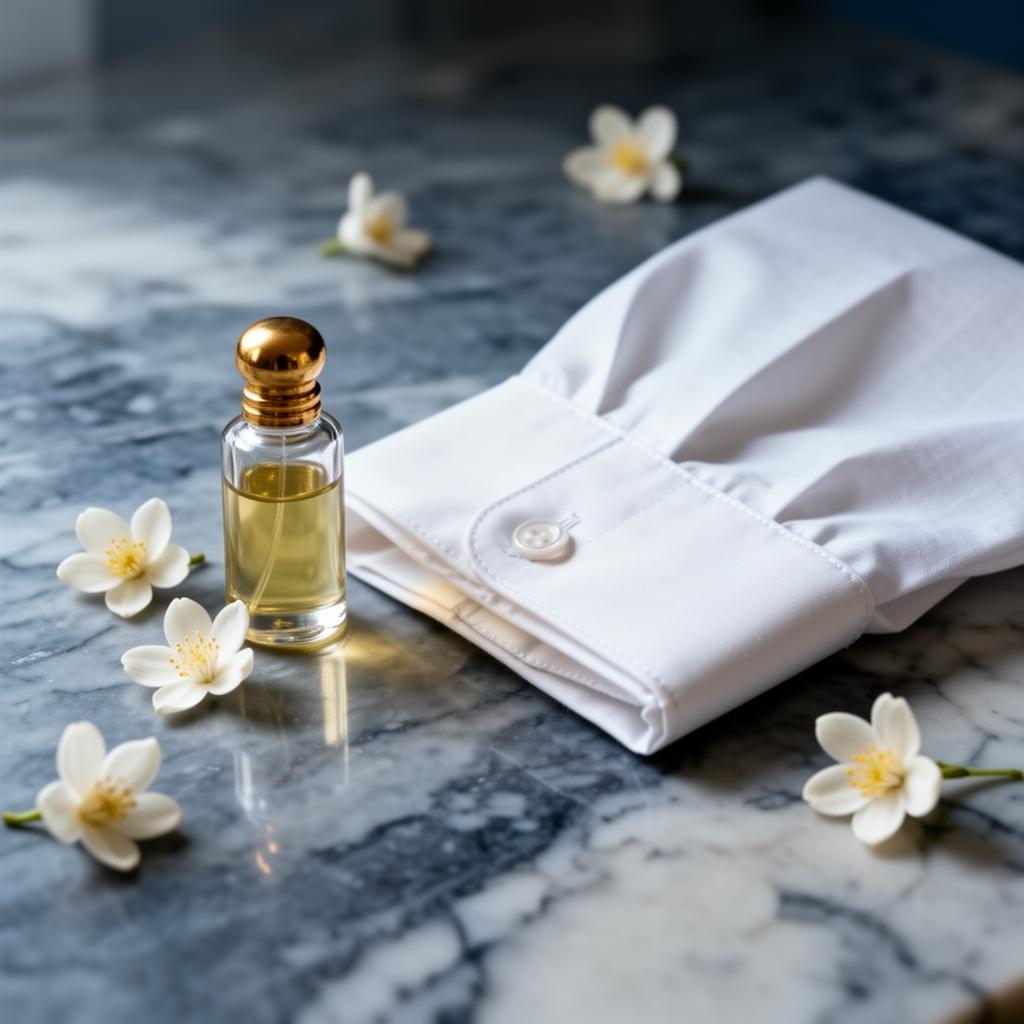
How to Apply Attar So It Actually Lasts: An Indian Climate Guide
Attar is concentrated oil — applied wrong, it disappears in an hour; applied right, it lasts into the next morning. A practical guide for Indian skin and Indian weather.
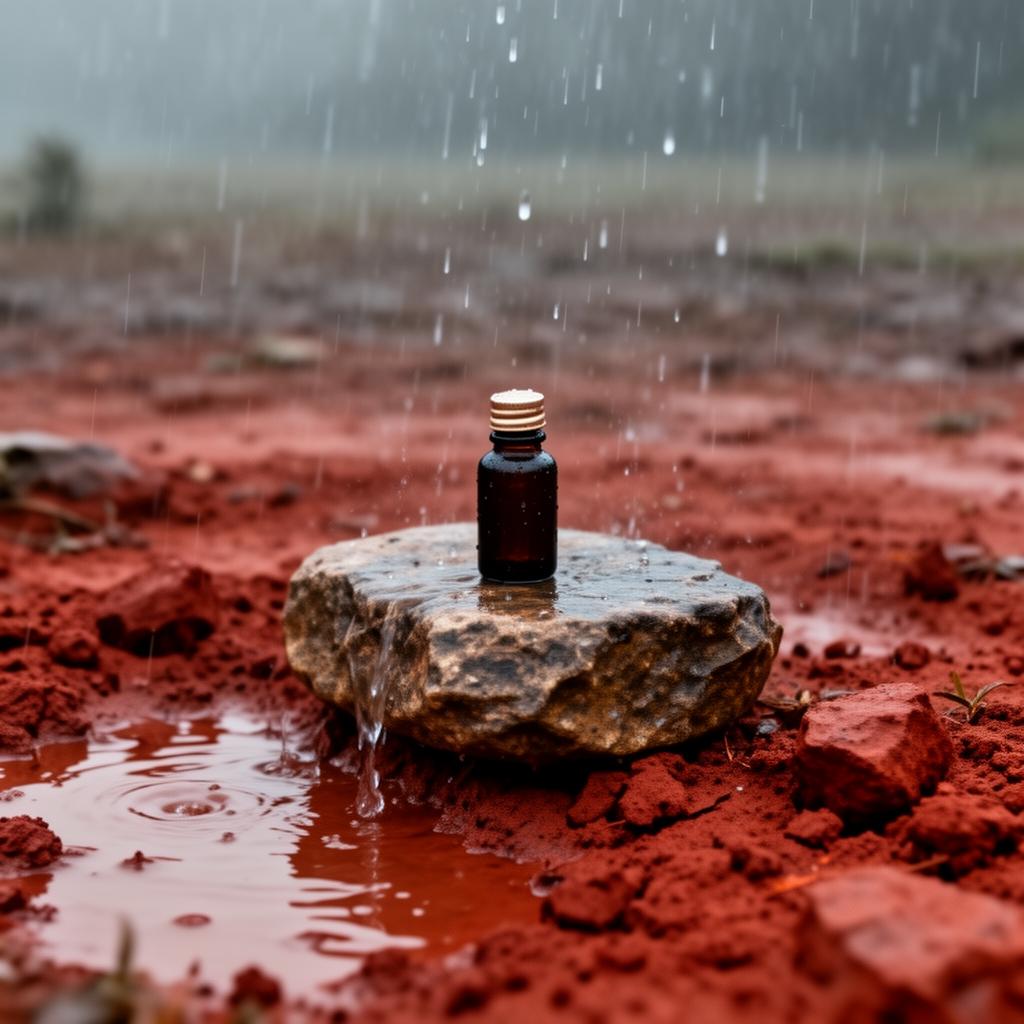
Mitti Attar: How India Bottled the Smell of the First Monsoon
Petrichor — that smell of the first rain on dry earth — has been distilled in Kannauj for 400 years. The science, the nostalgia, and how to recreate it in your own blend.
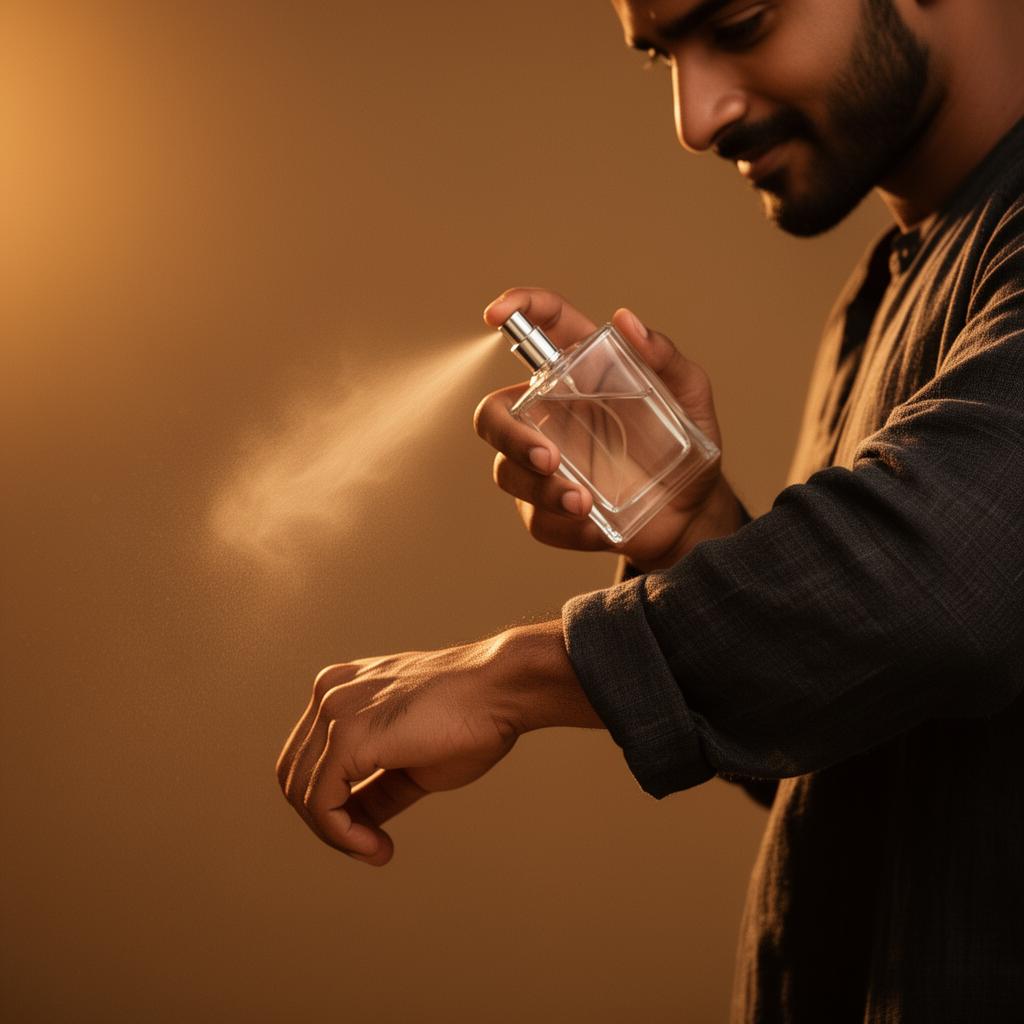
Best Perfume for Men in India 2026: A Blender's Take
Wild Stone, The Man Company, Skinn, Armaf — they all do the job. But the most-asked perfume question in India misses the point. Here’s a different answer.
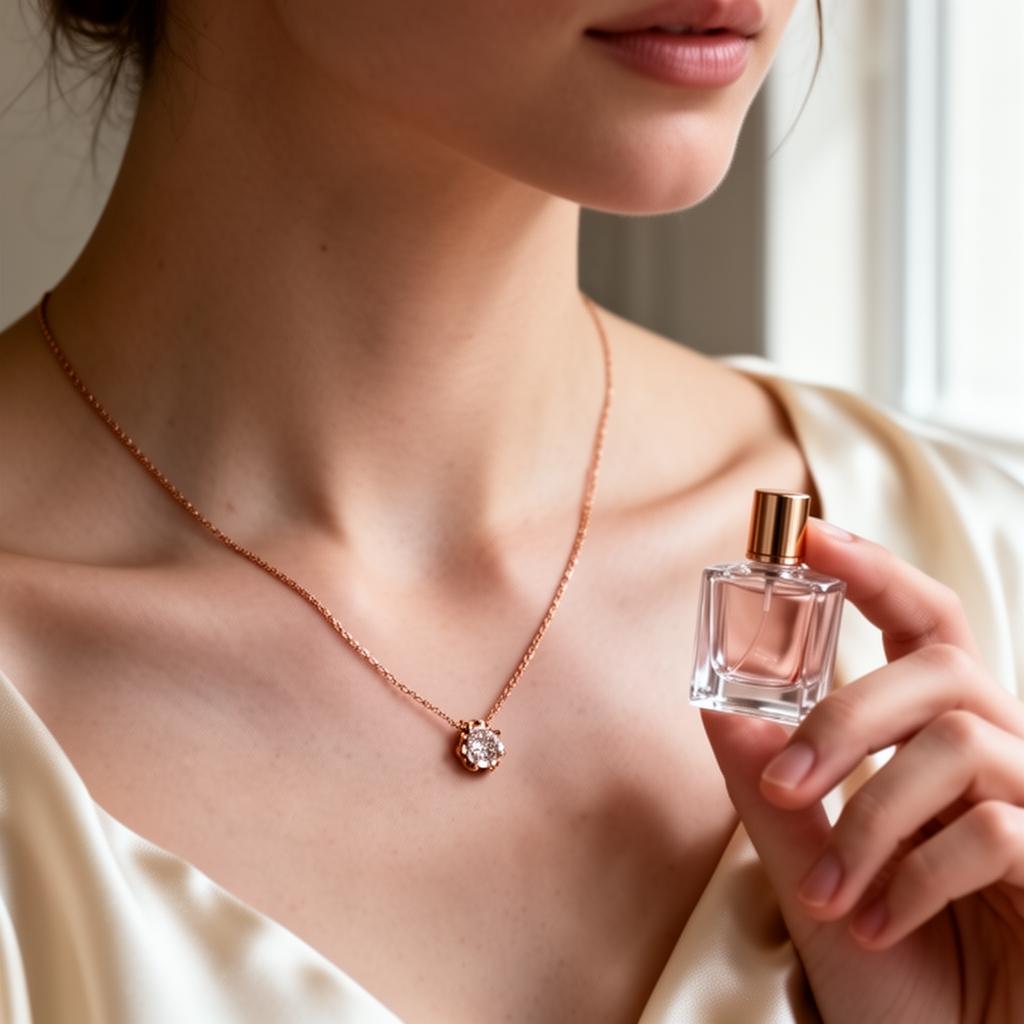
Best Perfume for Women in India: A Modern Guide
Bella Vita, Zara, Chanel, Victoria’s Secret, Skinn — the bestseller list is exhausting. Here’s a smarter framework for choosing (or blending) the perfume that actually feels like you.
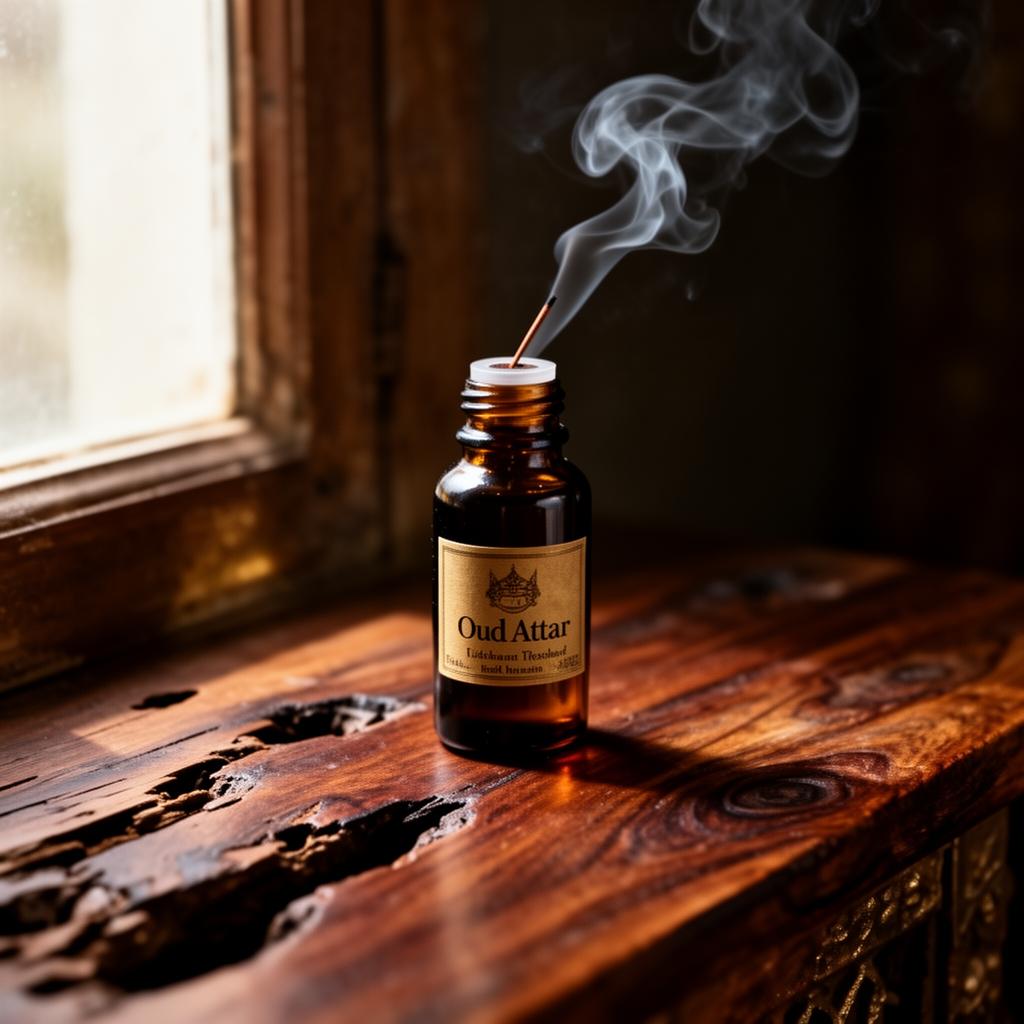
Oud Attar: A Practical Guide to Wearing It Well
Oud is the most expensive raw material in modern perfumery — and the most misunderstood. A practical guide to oud attar, layering it, and using it in DIY blends.
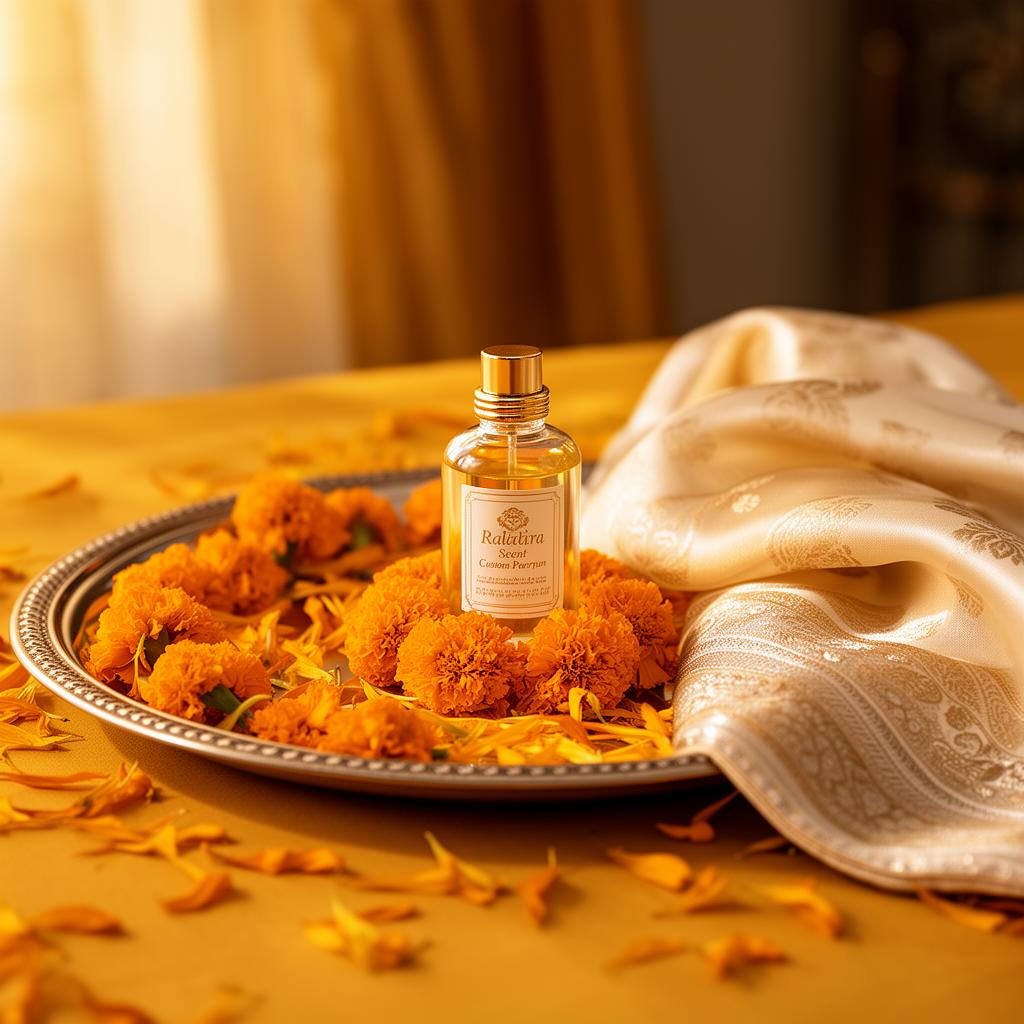
Wedding Gift Ideas India: The Perfume That Wins
Bedsheets, silver plates, kitchenware — Indian weddings are drowning in well-meaning gifts. A blended-together perfume is the one thing the couple will actually keep using.
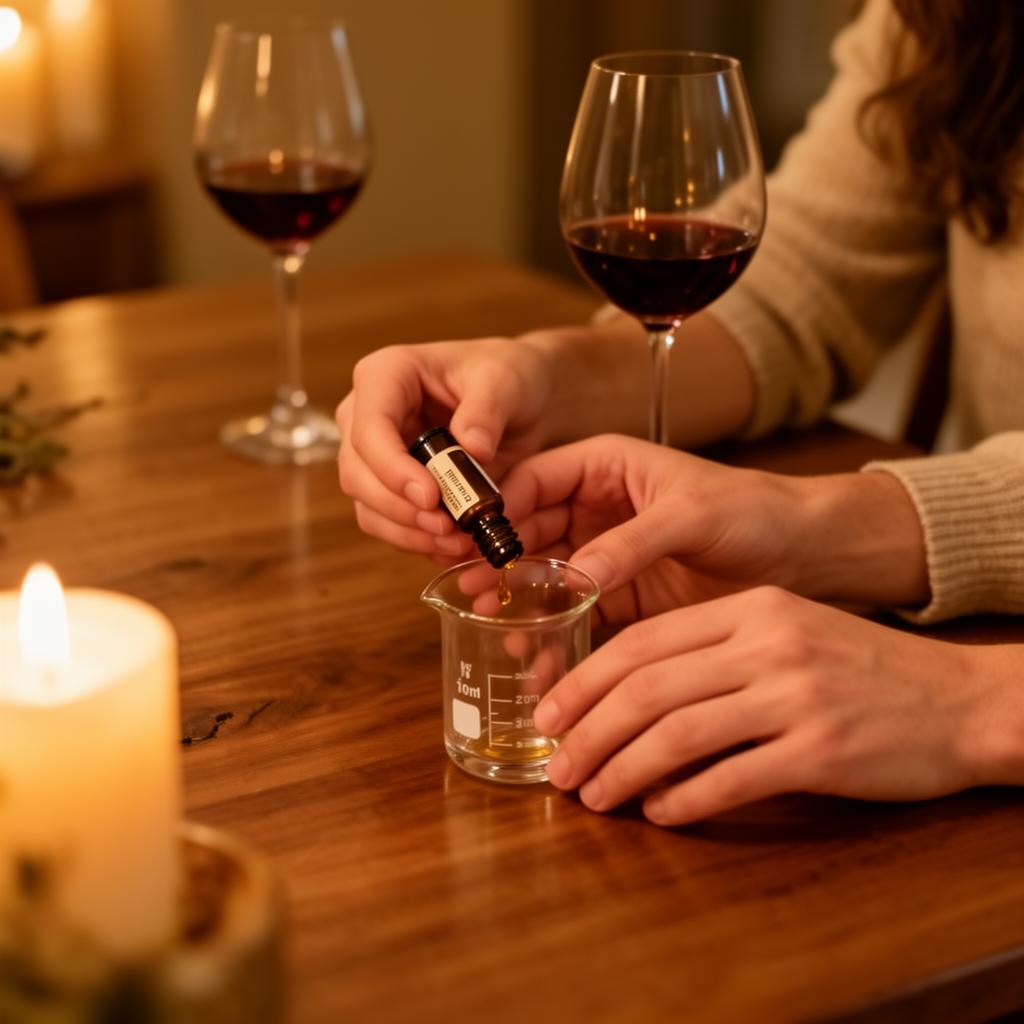
Anniversary Gift for Couples: Blend a Scent Together
Watches break. Roses wilt. Restaurants get forgotten. A perfume you blended together on your anniversary is the one gift that gets *better* every year you wear it.
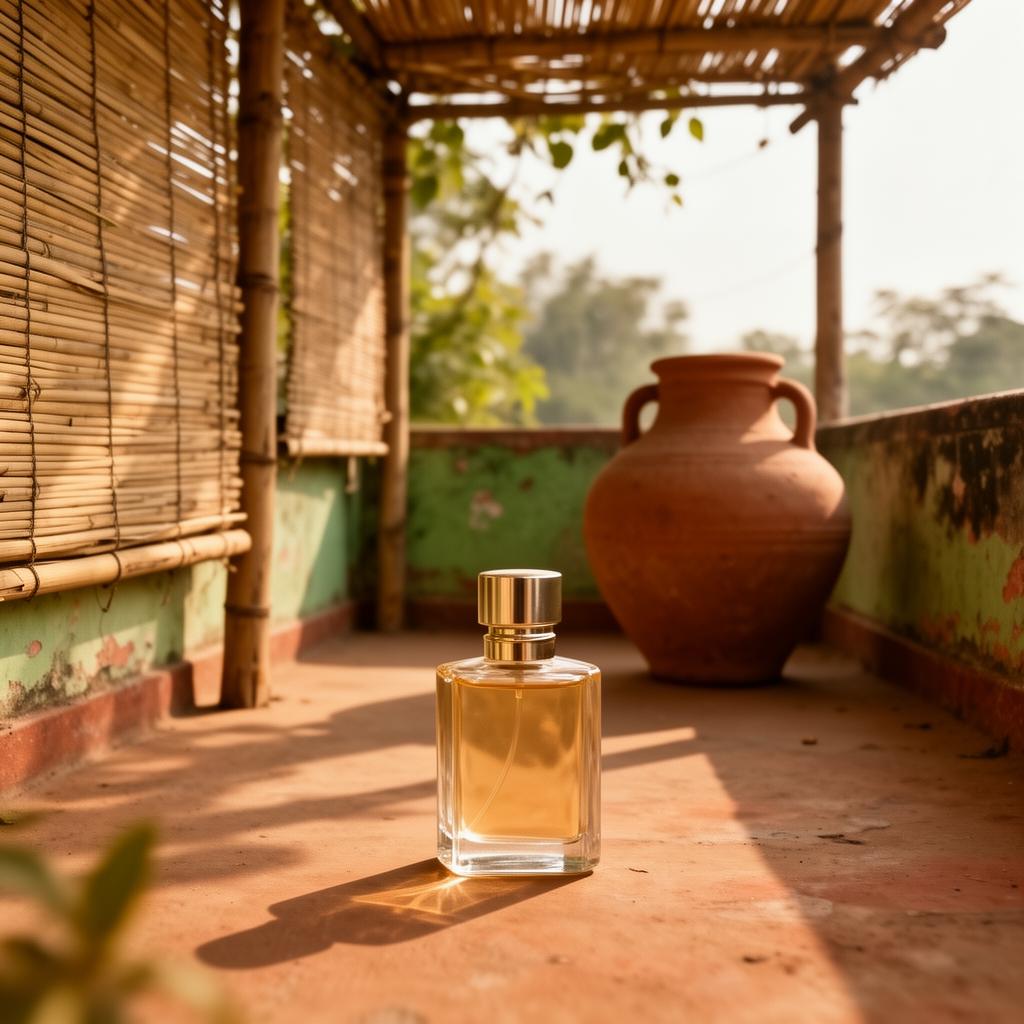
How to Make Perfume Last in Indian Summer
40°C heat, AC offices, two-wheeler commutes and the smell of one’s own sweat by 11 AM. A practical handbook for keeping fragrance alive in actual Indian weather.
The Quiet Math of Dilution: Getting Your Perfume Ratios Right at Home
Most home blends fail not because of the oils, but because of the dilution. A working guide to perfume concentration, carrier ratios and the small numbers that decide whether your scent sings or shouts.
How to Build an Accord: The Small Pairings That Make a Perfume Feel Whole
An accord is two or three notes that stop sounding like themselves and start sounding like one new thing. A guide to building your first accords at home — and the classic Indian pairings to start from.
Let It Rest: Why Maceration Is the Step Most Home Blenders Skip
A freshly mixed perfume is not the same perfume two weeks later. A short, honest guide to maceration — why aging your blend changes everything, and how long is long enough.
Learning to Smell: Building a Vocabulary Before You Build a Perfume
Most of us do not have words for what we smell. A practical guide to building a small, honest scent vocabulary — and why it makes your home blends sharper, faster.
Fixing a Bad Blend: A Field Guide to Rescuing Home-Made Perfume
Muddy, flat, too sharp, no projection, smells like alcohol — every home blender hits at least one of these. A practical troubleshooting guide for saving the bottle instead of binning it.
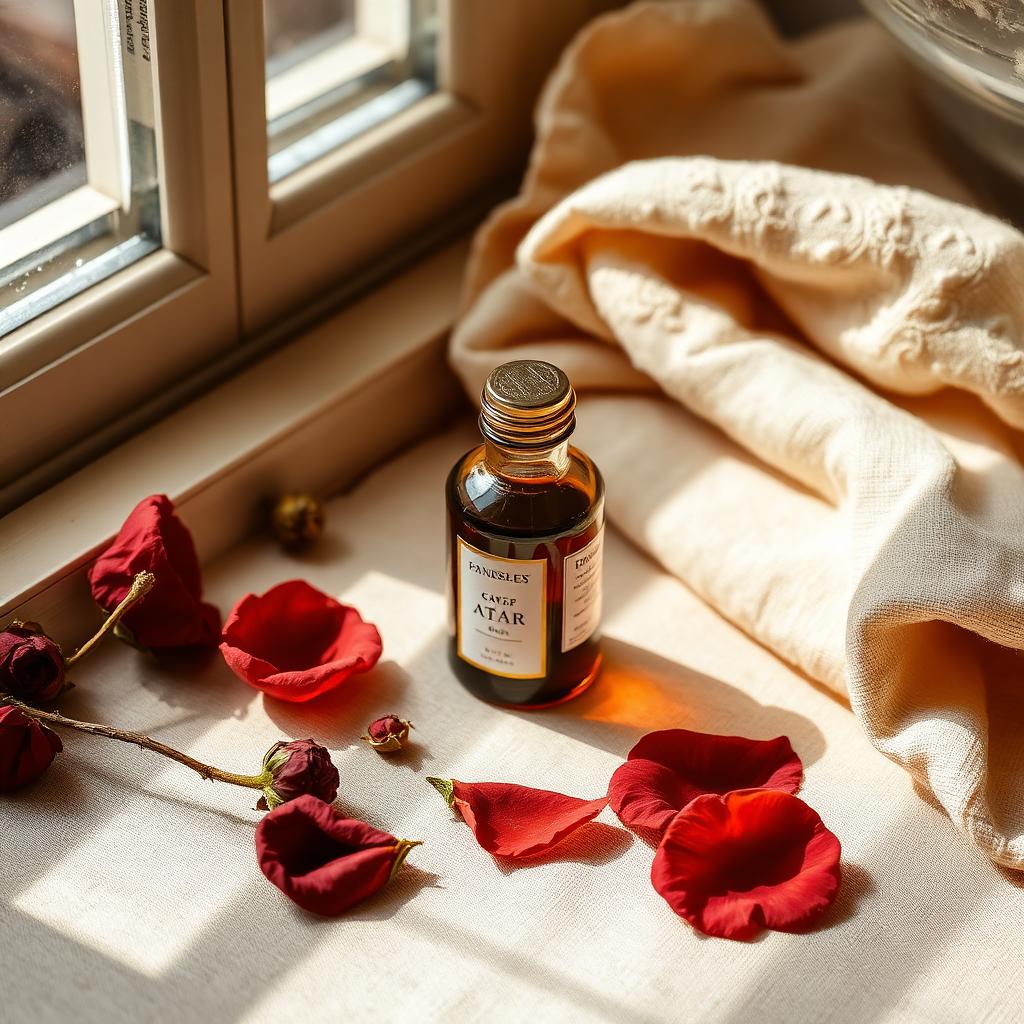
What Is Attar? A Plain-English Guide to India's Oldest Perfume
Attar is a concentrated, alcohol-free perfume oil traditionally distilled in India from flowers, wood, spices or clay onto a sandalwood base. Here's how it differs from modern perfume — and how to actually wear it.
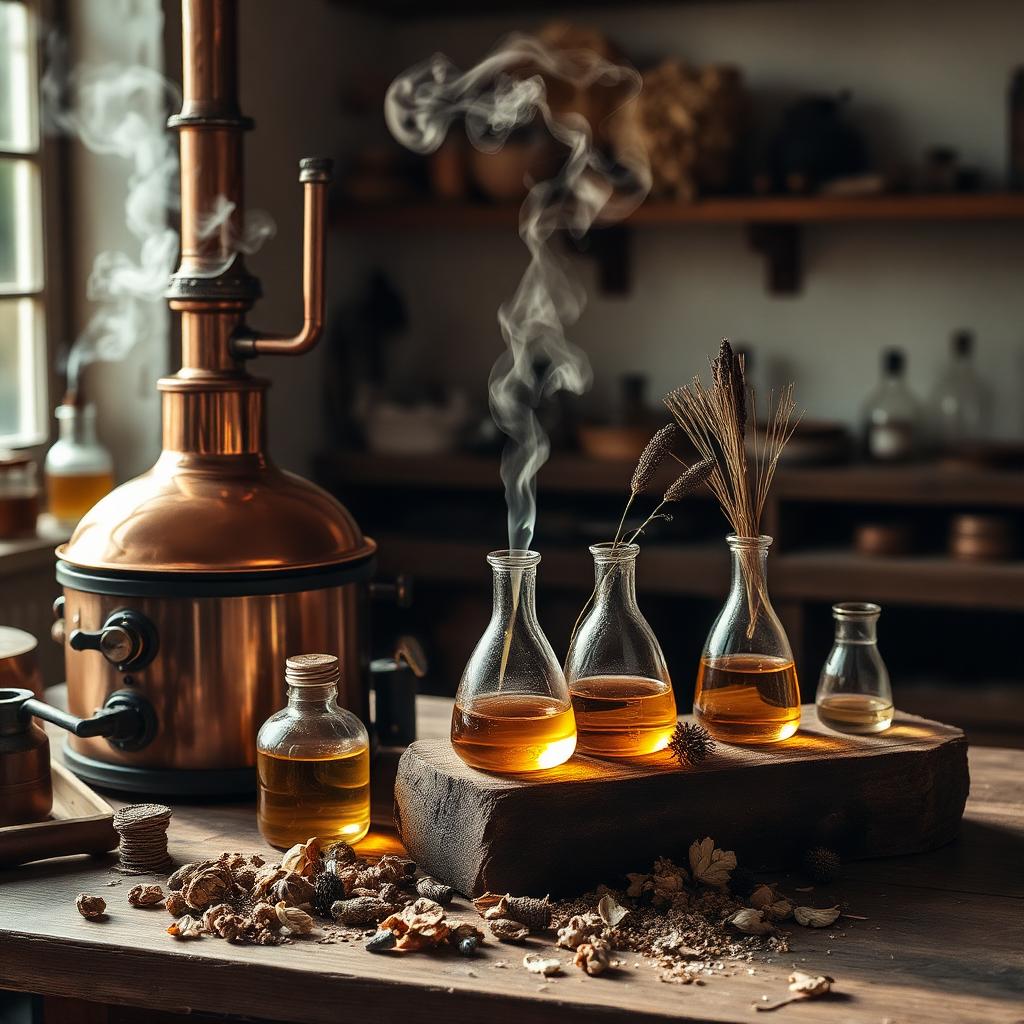
How Perfume Is Made: From Raw Botanical to Bottle, Explained
Perfume is made in four broad stages — sourcing raw materials, extracting their aromatic oils, blending those oils into a formula around top, heart and base notes, then diluting and maturing the blend in alcohol or oil. Here's what actually happens at each stage.
Top Notes, Heart Notes, Base Notes: What They Are and Why They Matter
Top notes are the first 15–30 minutes of a perfume, heart notes are the two-to-four-hour body, and base notes are everything that lingers overnight. That three-act structure is why a fragrance smells different at 9 AM and 9 PM.
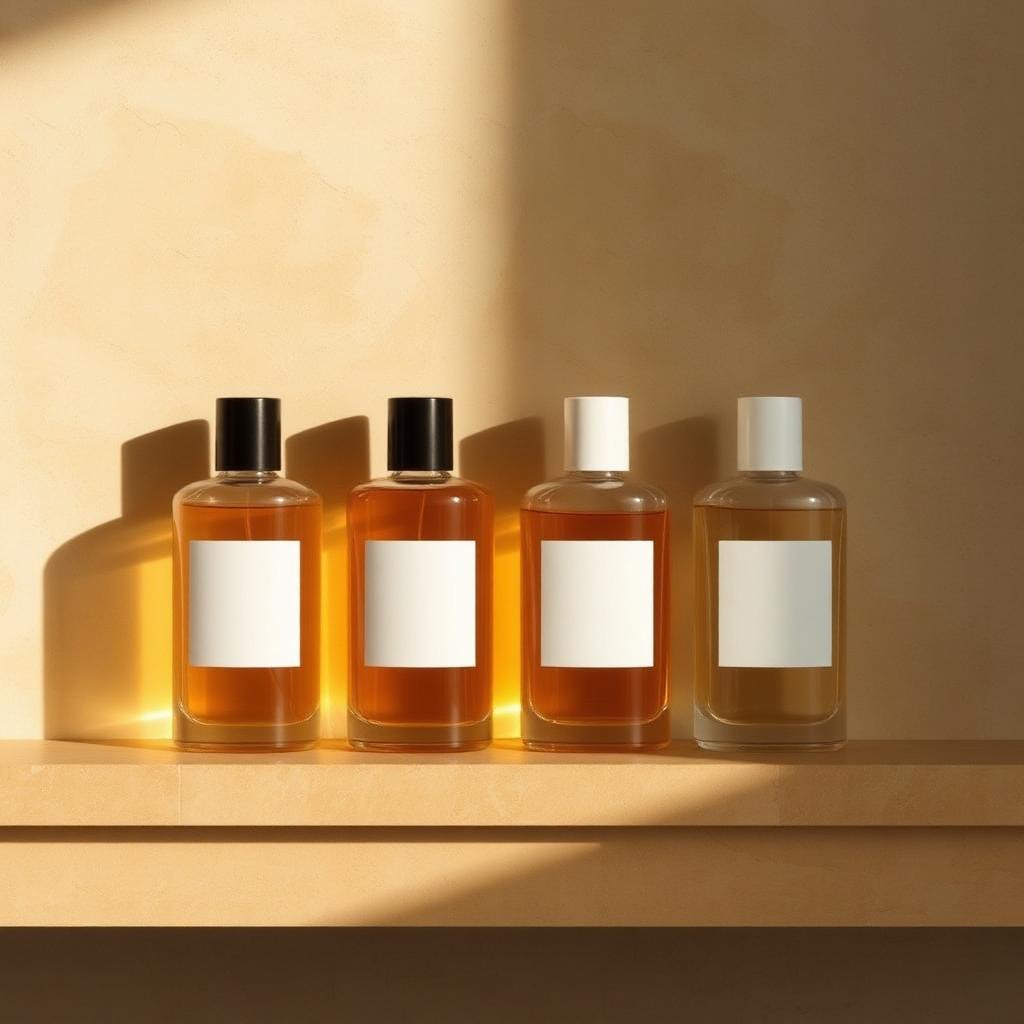
Parfum vs EDP vs EDT vs Cologne: A Simple Concentration Guide
Parfum is 20–30% aromatic oil, EDP is 15–20%, EDT is 5–15%, and Eau de Cologne is 2–5%. Higher concentration means longer wear and closer sillage — not always 'better'. Here's when each one is actually the right choice.
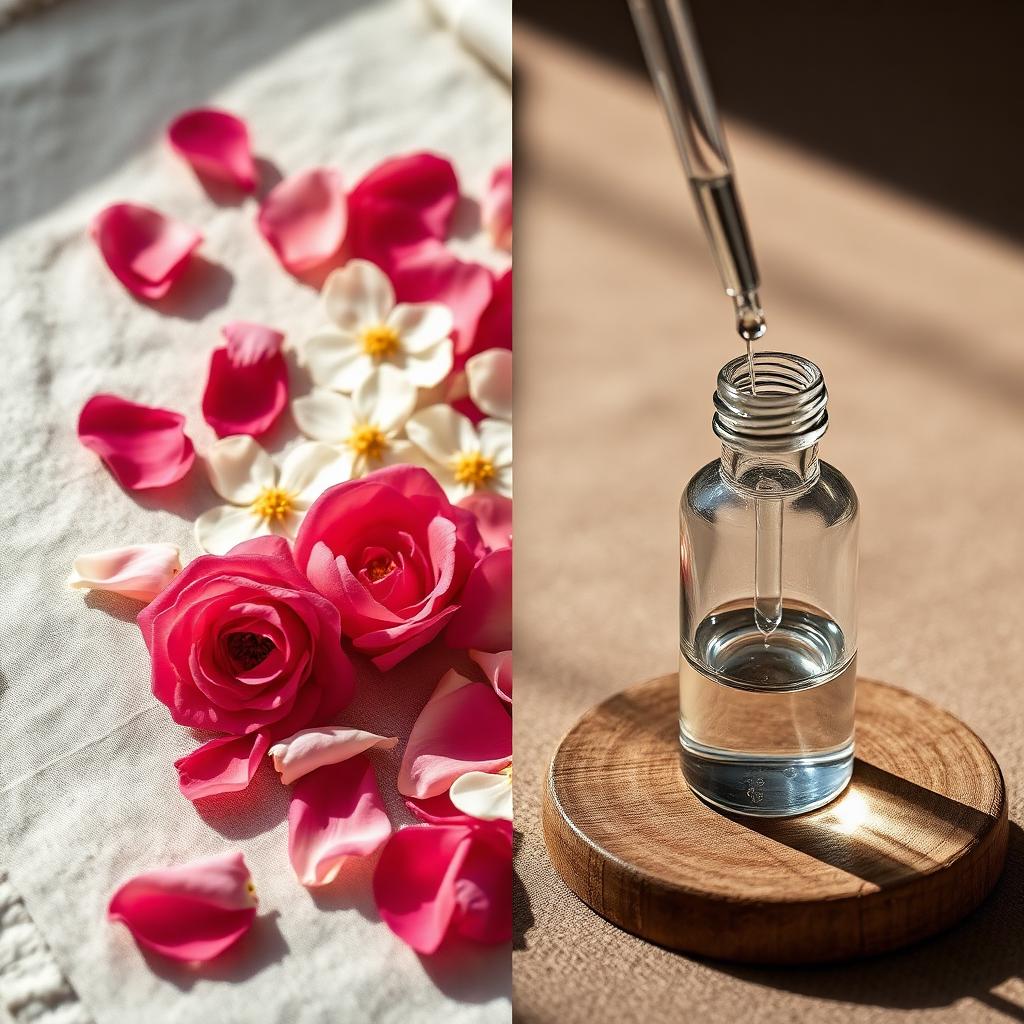
Natural vs Synthetic Perfume: Which Is Actually Better?
Neither is objectively better. Natural perfume uses only essential oils and absolutes — richer, less consistent, more expensive. Synthetic perfume uses lab-made aroma molecules — more stable, safer for skin, and often more sustainable. Most modern perfumes use both.
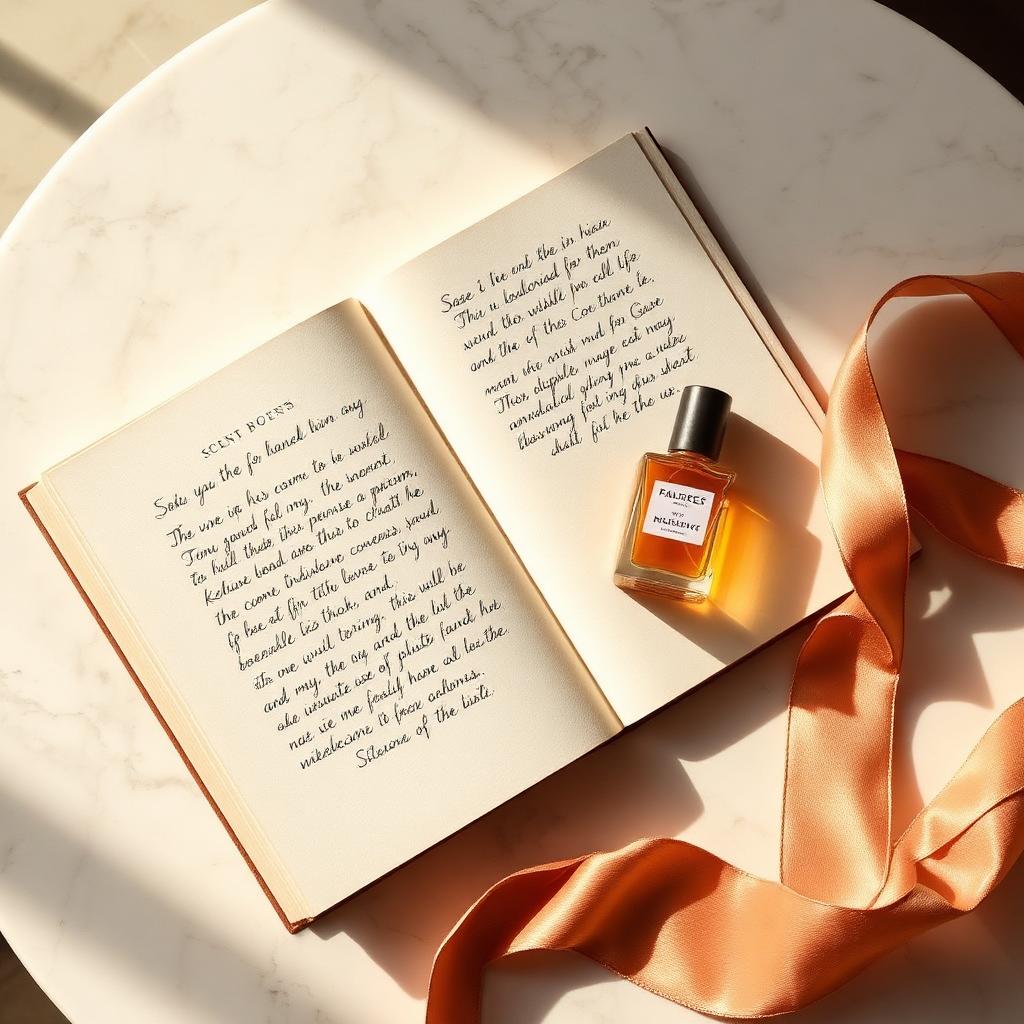
How to Choose a Perfume: A Step-by-Step Guide That Actually Works
To choose a perfume, identify the fragrance family you're drawn to, test at least three options on skin (not paper), wear each one for a full day before deciding, and buy the one you're still thinking about at bedtime. Here's the full method.
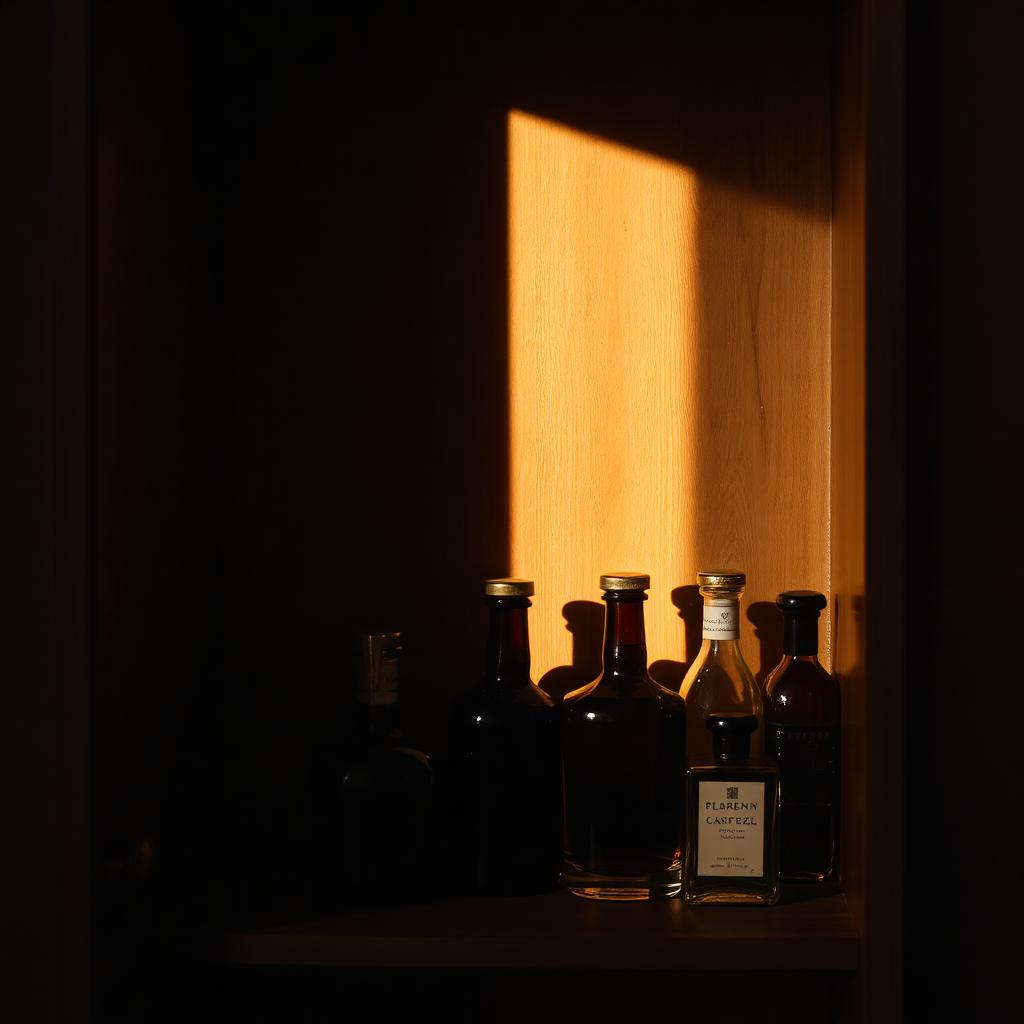
How to Store Perfume (and How Long It Actually Lasts)
An unopened perfume lasts 3–5 years, an opened one lasts 2–3. Store bottles upright, in the original box, in a cool dark place away from bathrooms and sunlight. Heat, light and oxygen are the three things that quietly kill a fragrance.
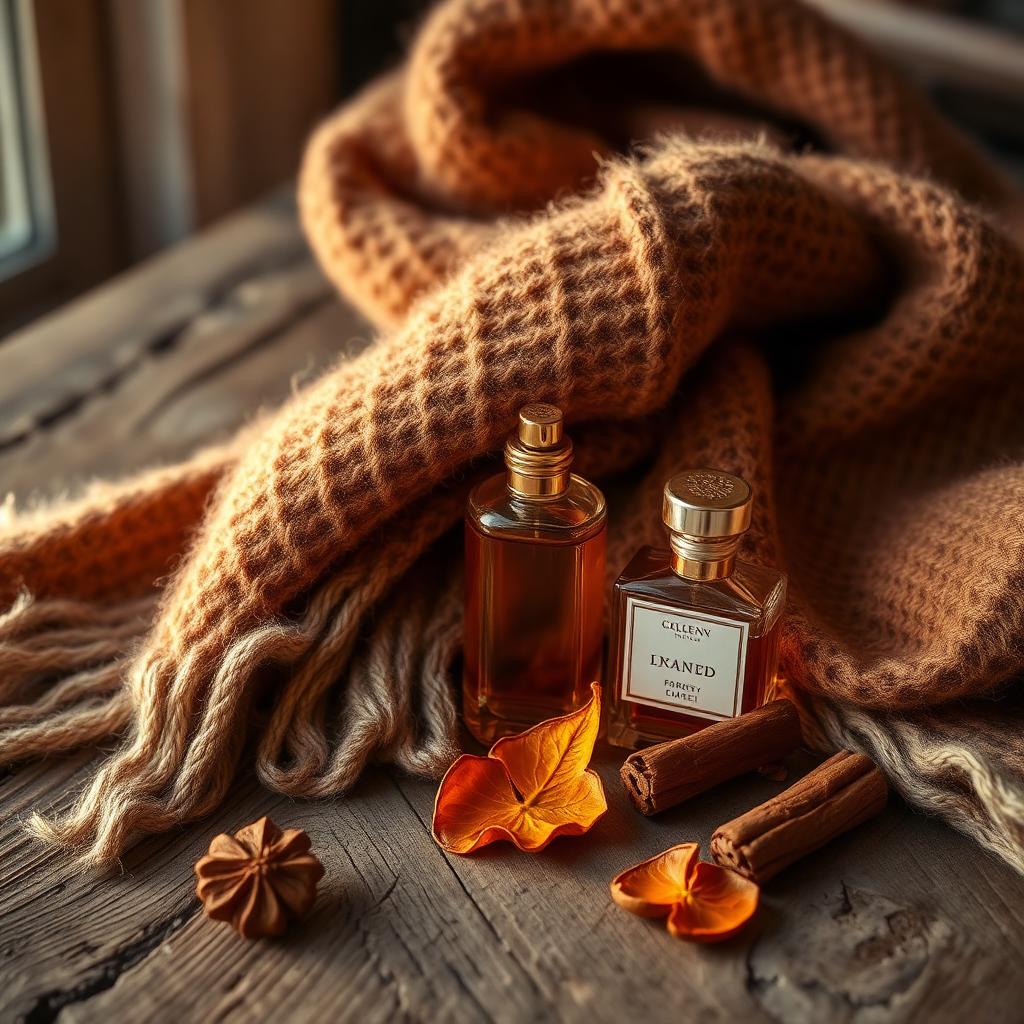
The Best Winter Perfumes for India: Warm, Slow, and Made to Linger
The best winter perfumes for India lean on warm base notes — oud, sandalwood, amber, vanilla, saffron, tobacco. Cool weather slows evaporation, so heavier oriental and woody fragrances that feel too much in summer suddenly wear beautifully in December.
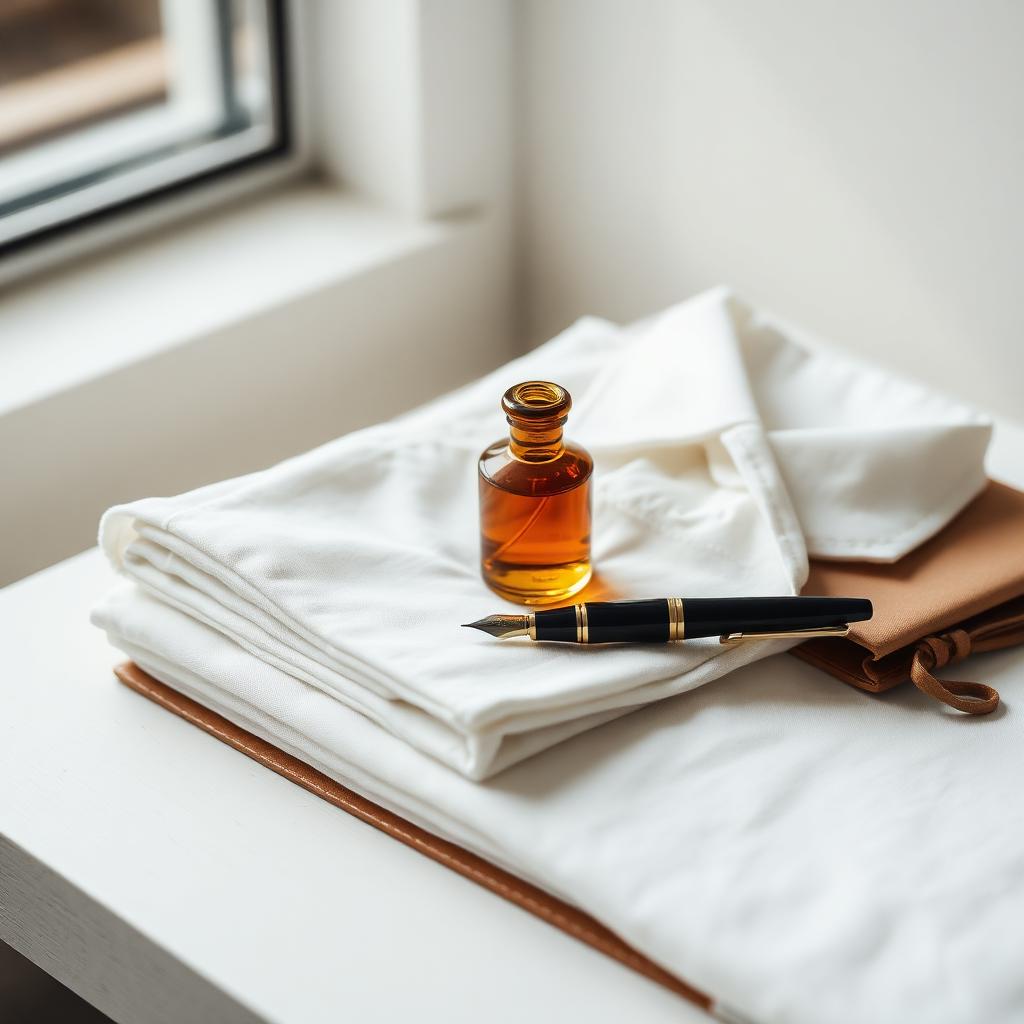
Office Perfume Etiquette: How to Wear Scent to Work in India
Office perfume should be quiet, close to skin, and last through a full workday without needing reapplication. Aim for one spray or dab on the inside of the wrist, choose fresh or soft-woody notes, and never apply on hair or scarf when you'll be in shared rooms.
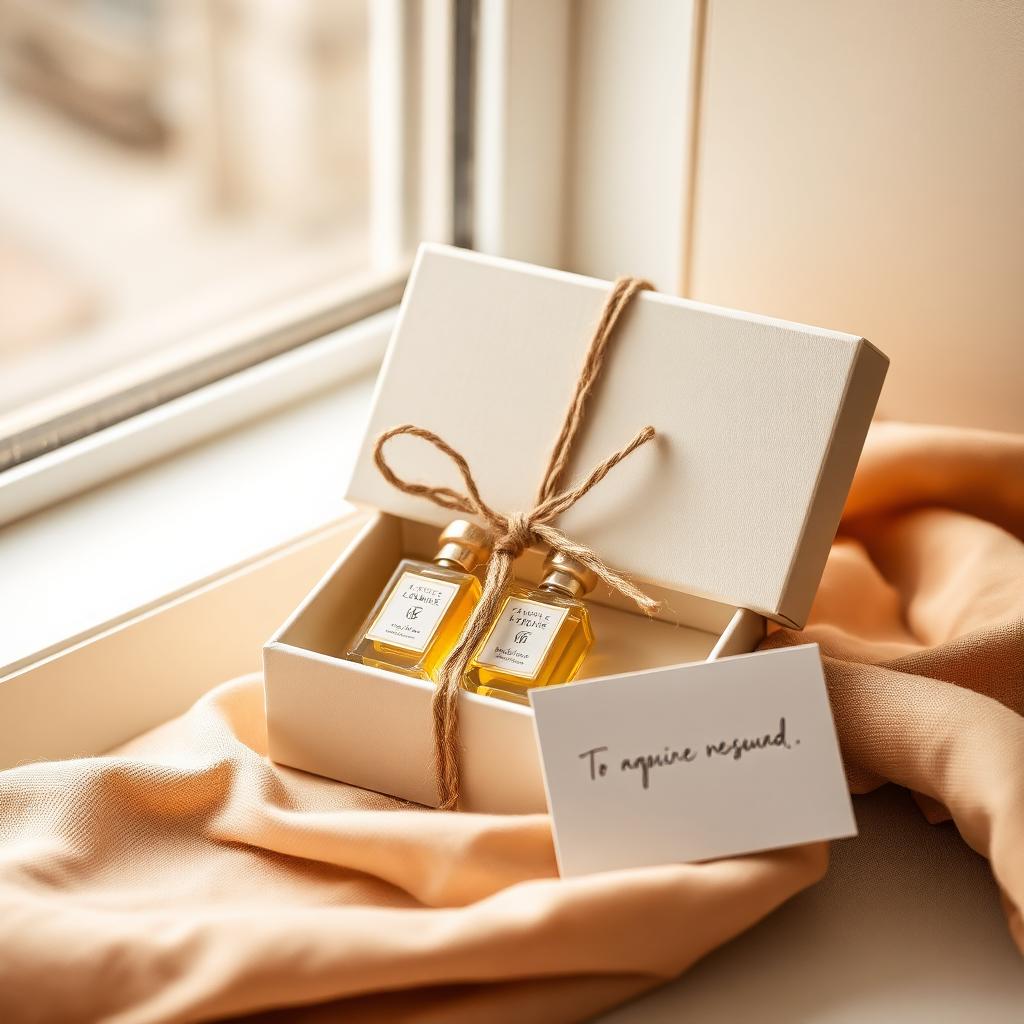
The Best Perfume Gifts for Parents: Thoughtful Ideas That Actually Land
The best perfume gift for parents is something they would never buy for themselves — warm, familiar, made-in-India, and personal enough to feel chosen rather than picked off a shelf. Attars, sandalwood-based blends, and personalised DIY kits work far better than generic branded bottles.
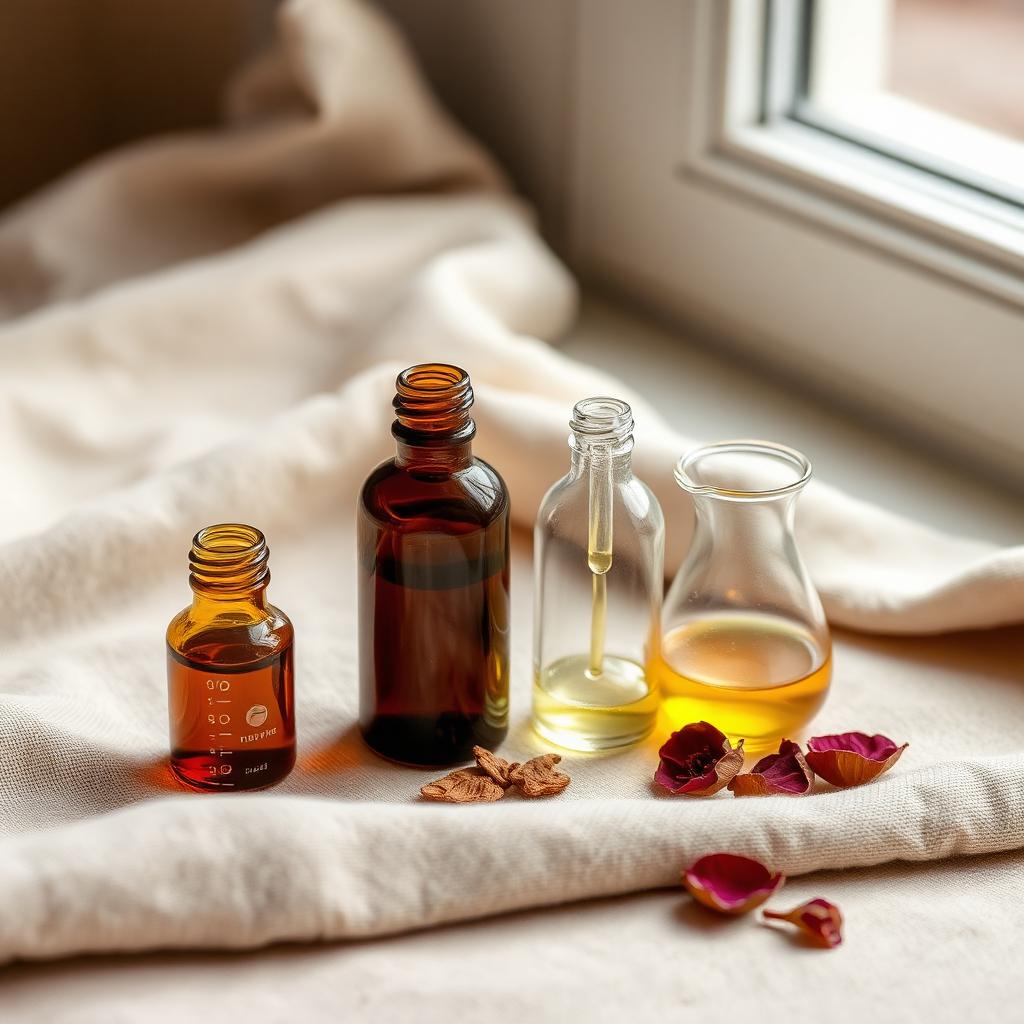
How to Make Perfume at Home: A Beginner's Guide for India
A practical, no-nonsense walkthrough for making your first bottle of perfume at home in India — with the ingredients, ratios and small mistakes that actually matter.
Create Your Signature Scent
Stop searching for a fragrance that fits. Blend one that is authentically yours, with miniature oils and our quiet, considered formulation kit.
Start Blending