Let It Rest: Why Maceration Is the Step Most Home Blenders Skip
A freshly mixed perfume is not the same perfume two weeks later. A short, honest guide to maceration — why aging your blend changes everything, and how long is long enough.
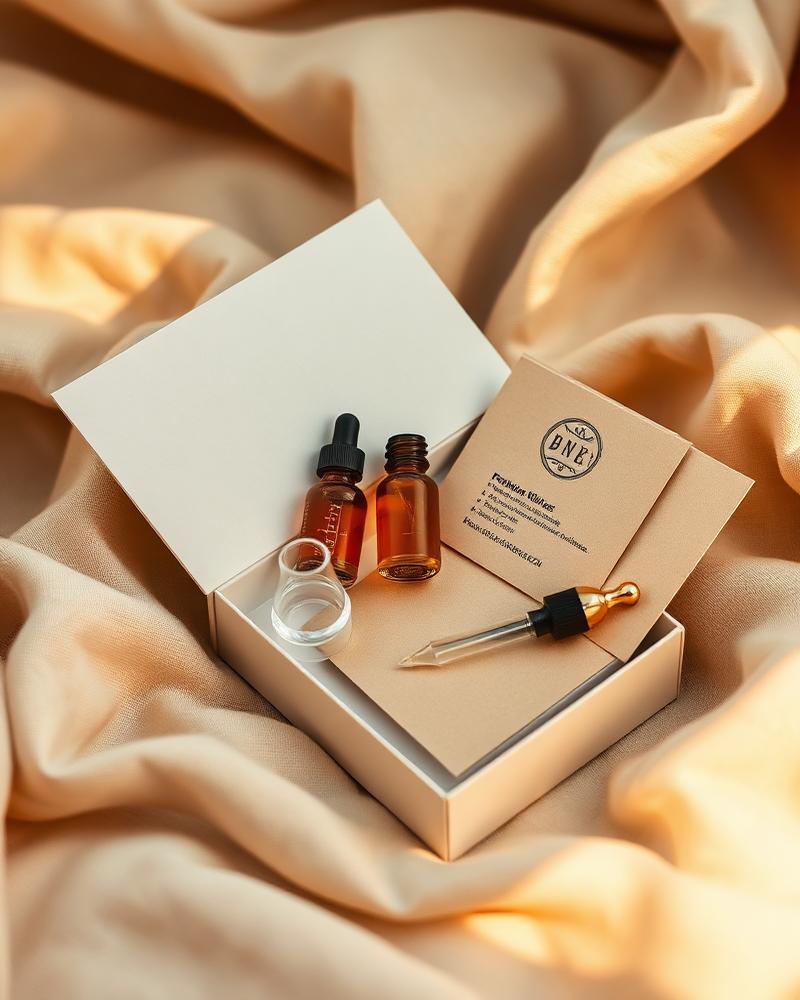
The single most common message I get after someone finishes their first Whiff & When blending session is some version of: 'It smelled amazing in the beaker, but on my skin two hours later it went weird.' Nine times out of ten, the blend is not weird. It is just young.
Maceration is the perfumer's word for letting a finished blend sit, undisturbed, in a sealed dark bottle for a while before you spray it. It is the closest thing perfumery has to fermentation in cooking. The oils do not just sit there. They quietly rearrange themselves into something rounder and more coherent than what your nose first smelled in the mixing beaker.
Here is what is actually happening, in the least chemistry-textbook way I can put it. Essential oils are mixtures of dozens of molecules each. When you pour them together, the bigger, slower base molecules need time to physically bind with the brighter top-note molecules. Until that happens, the top notes sit on the surface of the blend and read as harsh. Once they bind, the perfume starts to smell like one thing instead of three.
How long? For a simple top-heart-base blend out of a Beginner Kit, 7 to 14 days is enough to feel a real shift. Heavier material takes longer — as a general rule of perfumery, anything built on dense resins or thick woods wants 3 to 4 weeks. For attars in pure oil — no alcohol — six weeks is not excessive. The big French houses macerate some classics for months.
The routine itself is almost embarrassingly simple. Mix your blend. Cap it tightly. Put it in a cardboard box or a drawer — anywhere dark and roughly room temperature. Do not refrigerate. Do not put it on the windowsill 'because it looks pretty.' Light and heat oxidise the top notes and undo exactly what you are trying to let happen.
Shake it gently once every two or three days. Not to mix — it is already mixed — but to keep any heavier base molecules from settling at the bottom. A five-second wrist roll is enough. Then back in the dark.
The interesting part is the day you finally smell it again. Most people describe it as the blend going from 'three perfumes arguing' to 'one perfume agreeing with itself.' Edges soften. The alcohol bite, if you used perfumer's alcohol, is gone. Notes you thought were too loud have folded into the base. It is a very satisfying small magic.
If you are serious about getting the most out of a DIY perfume kit, I would gently argue maceration is more important than any oil you could add. You already have the oils. What you do not have, on day one, is time. Give the blend two weeks and you have effectively upgraded the whole kit for free.
The hardest part is not the chemistry. It is the patience. I keep a small wooden box on my dresser with three or four unlabelled bottles in it at any given time, all quietly aging. Past-me made them. Future-me gets to wear them. That is the deal.
"Day one is the rough cut. Day fourteen is the film."
Beginner Kit ₹1,999
Studio 6 Foundation palette — Bergamot, Grapefruit, Lavender, Rose, Cedarwood, Orange Blossom.
Every kit includes complimentary access to the AI Perfume Studio — personalised recommendations, step-by-step mixing guidance, and a place to save and refine your blends.
How to do it, step by step
- Finish your blendMix all oils and carrier in the final bottle. Cap tightly. This is day zero of maceration.
- Choose your spotA cardboard box or closed drawer at room temperature. Dark and stable. No fridge, no windowsill, no kitchen counter near a stove.
- Set the timer7–14 days for a simple top-heart-base blend. 3–4 weeks for anything built on heavy woods or resins, whatever the source. 6+ weeks for pure-oil attars.
- Shake gently every 2–3 daysFive-second wrist roll — just enough to keep heavier base molecules from settling. Then back in the dark.
- Re-smell on the chosen dayOpen, dab a drop on a fresh blotter, wait 30 seconds. You should hear one perfume agreeing with itself instead of three notes arguing.
Home Blending Educator
Riya teaches first-time blenders — maceration, dilution, the unglamorous middle steps that decide whether a perfume actually works.
Stories like this, once a month
Quiet musings on scent, memory and the rituals of personal blending.
Continue Reading
The Quiet Math of Dilution: Getting Your Perfume Ratios Right at Home
Most home blends fail not because of the oils, but because of the dilution. A working guide to perfume concentration, carrier ratios and the small numbers that decide whether your scent sings or shouts.
Fixing a Bad Blend: A Field Guide to Rescuing Home-Made Perfume
Muddy, flat, too sharp, no projection, smells like alcohol — every home blender hits at least one of these. A practical troubleshooting guide for saving the bottle instead of binning it.
How to Make Your Own Perfume: A Beginner's Guide to Formulation
Demystifying the math behind the top, heart and base notes — a step-by-step guide to using your first DIY perfume kit at home in India.
Build a Perfume Together
Date night, gifting, or a quiet evening alone — every Whiff & When kit is an invitation to make something only you could make.
Shop the Kits