Anatomy of a Perfume Note: Top, Heart and Base, Explained
A working guide to the three-act structure of every fragrance — and how to use top, heart and base notes when you blend your own perfume with a DIY kit.
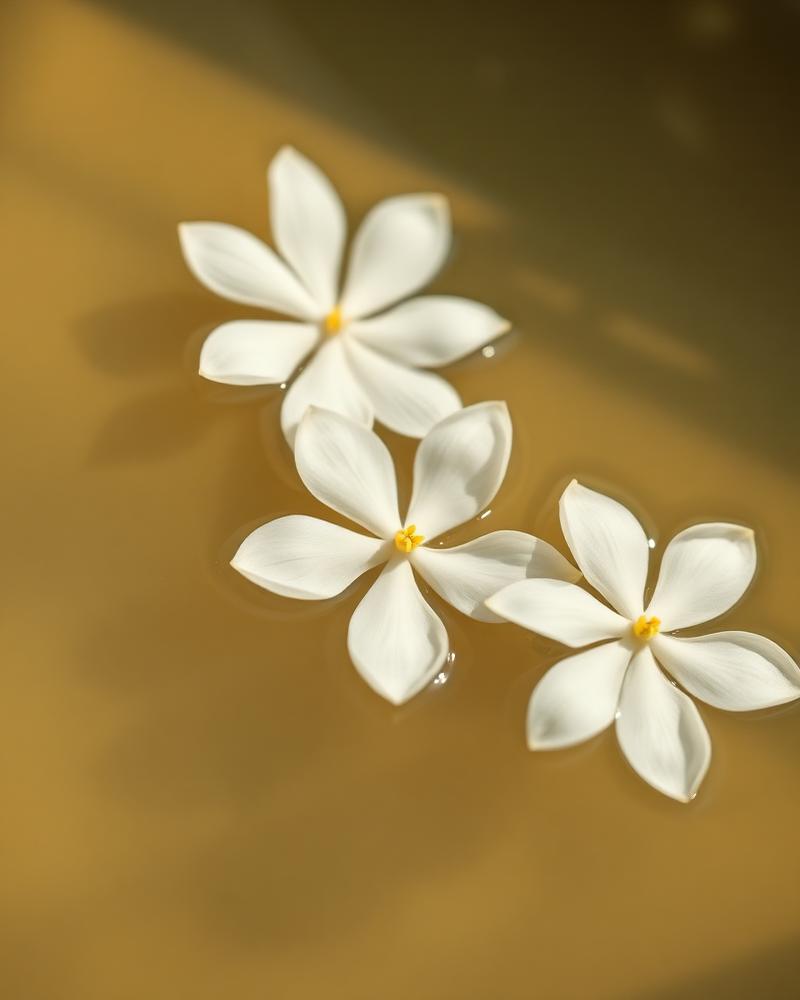
Every perfume you have ever sprayed is basically a three-act film. The opening. The middle. The long tail of stuff still hanging on your shirt the next morning. Perfumers call them top, heart and base notes. Once that lands, blending your own at home stops feeling like guesswork and starts feeling like editing footage you already shot.
Top notes own the first thirty minutes. They are bright and small-molecule, which is a fancy way of saying they evaporate fast. This is the citrus drawer of perfumery — bergamot, neroli, yuzu, pink pepper, mandarin. Their job is to make you reach for your wallet at the counter. They are seduction, not commitment.
Heart notes wake up once the top has burned off. This is the actual body of the perfume, and where most fragrances either land or quietly come apart. Florals, warm spices, tea, stone fruit — anything dense enough to stay for two to four hours sits in this register.
Base notes are what your skin still smells like when you wake up. Sandalwood, oud, vetiver, amber, vanilla absolute, the soft musks. They cling. They are also the difference between a fragrance that smells 'nice' and one that smells like a person you remember.
A small trick I teach people in our Saturday workshops: spray a new perfume on a paper blotter the first time, not on skin. Wait two minutes and write down your first impression in three words. Wait twenty, write three more. Wait two hours. Whatever is left on the blotter is the truth of the perfume. The rest is marketing.
When you build at home with a DIY perfume kit, the standard ratio most blenders fall into is roughly 30% top, 50% heart, 20% base. Use it as a guide, not a law. Some of my favourite blends submitted by Whiff & When customers in 2024 broke the rule entirely. One was a heart-heavy rose with barely any opening. Another was almost entirely an oud-vetiver base with a thread of yuzu on top, made by a Pune-based architect who had never blended before.
If you want to feel the structure for yourself, the Alchemist Kit is built around the three-act framework directly. Six oils mapped to top, heart and base, so you actually hear each act change while the blend warms on your skin.
The point of learning the anatomy is not to obey it. It is to know which rule you are breaking, and why you chose to break it.
"A perfume is not a smell. It is a film in three acts, projected onto skin."
Alchemist Kit ₹2,499
Studio 6 Reserve palette — Sandalwood, Saffron, Orris Root, Woody Amber, Tonka Bean, Leather.
Every kit includes complimentary access to the AI Perfume Studio — personalised recommendations, step-by-step mixing guidance, and a place to save and refine your blends.
Perfumery Researcher
Meher researches traditional Indian attar craft — Kannauj distilleries, mitti attar, oud — and translates it for modern home blenders.
Stories like this, once a month
Quiet musings on scent, memory and the rituals of personal blending.
Continue Reading
Top Notes, Heart Notes, Base Notes: What They Are and Why They Matter
Top notes are the first 15–30 minutes of a perfume, heart notes are the two-to-four-hour body, and base notes are everything that lingers overnight. That three-act structure is why a fragrance smells different at 9 AM and 9 PM.
How to Build an Accord: The Small Pairings That Make a Perfume Feel Whole
An accord is two or three notes that stop sounding like themselves and start sounding like one new thing. A guide to building your first accords at home — and the classic Indian pairings to start from.
Natural vs Synthetic Perfume: Which Is Actually Better?
Neither is objectively better. Natural perfume uses only essential oils and absolutes — richer, less consistent, more expensive. Synthetic perfume uses lab-made aroma molecules — more stable, safer for skin, and often more sustainable. Most modern perfumes use both.
Build a Perfume Together
Date night, gifting, or a quiet evening alone — every Whiff & When kit is an invitation to make something only you could make.
Shop the Kits