How to Build a Scentscape: Fragrance Layering for Every Room
The subtle art of layering room sprays, candles, and a personal blended perfume to create a narrative environment in an Indian home.
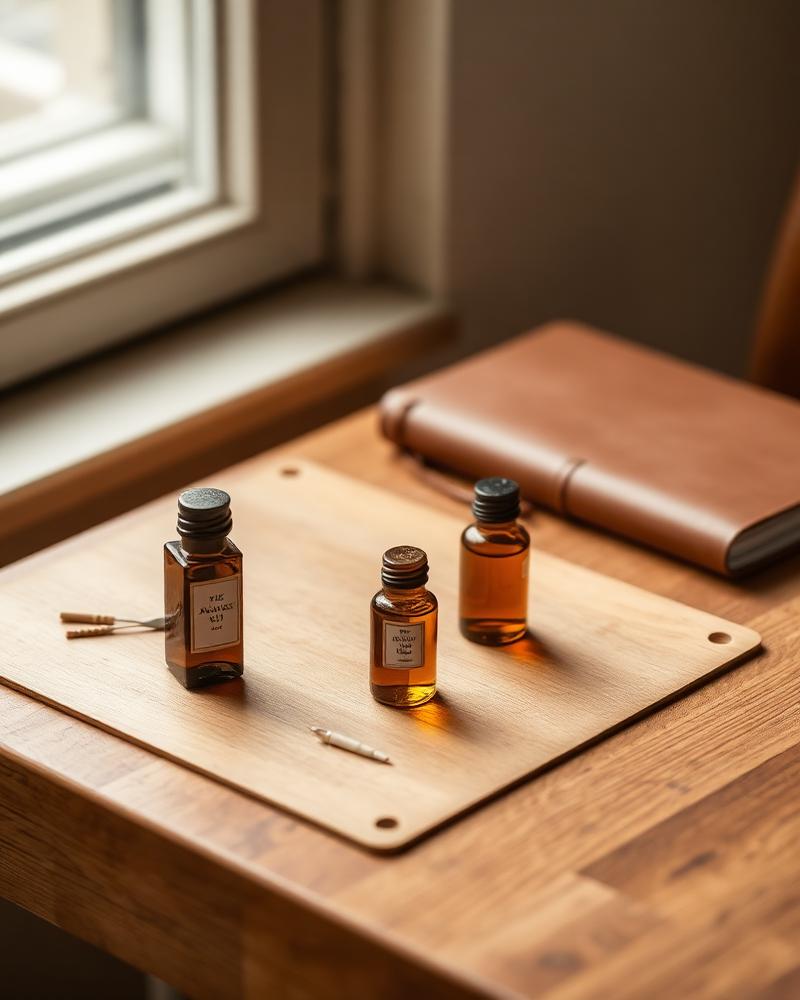
Your home reads like a book with chapters. The morning kitchen is not the late-evening reading corner, and the scent in each room should know that. That is the whole idea behind fragrance layering. It also gets dramatically easier once you have blended at least one personal perfume yourself, because by then you understand what a base note actually does.
Start with what perfumers sometimes call the spine of the house. A single low, warm wood that hums under everything else in the apartment — sandalwood, cedar, or a soft vetiver. This is the smell your visitors notice when they walk in from a rainy auto ride, and the one that makes your own home feel like home after a long trip. Everything else stacks on top of that spine.
For the kitchen, lean into clarity. Citrus, mint, a thread of basil or lemongrass. Not to mask food (don't bother), but because a bright kitchen scent makes the entire room feel cleaner than any spray bottle ever will. I keep a small diffuser of bergamot near the chimney and it changed how the whole house smelled at 8 AM.
The living room should reward the heart. Tea, fig, soft rose, a touch of cardamom. This is the room where company sits. The scent should feel like an open hand, not a perfume sample shoved at you.
The bedroom belongs to the base. Pick one deep, quiet ingredient and let it accumulate over weeks — sandalwood, ambrette, vanilla absolute, oud. The accumulation is the point. A good bedroom scent feels like it has been there forever, not like you sprayed it twenty minutes ago.
The mistake most people make with home fragrance is uniformity. Same diffuser oil in every room collapses your house into a single flat note. A real scentscape gets sequenced the way a record is — themes return, but each track stays its own room.
The fastest way to learn fragrance layering, in my experience, is to blend the central perfume yourself. A DIY perfume kit teaches you in one afternoon what a top, heart and base actually do, and after that, picking candles, sprays and diffusers stops being a guess. Our Creator Kit, with its larger oil library, is built for exactly this kind of layered, room-by-room thinking.
If you are starting fresh, go slow. Add one room a week, live with it, then move on. Your nose adjusts in roughly seven days, which is conveniently long enough to tell whether the choice was right.
"A scentscape is a map, not a wallpaper."
Creator Kit ₹2,199
Studio 6 Spectrum palette — Lemon Zest, Jasmine, Pink Pepper, Blackcurrant, Patchouli, Amber.
Every kit includes complimentary access to the AI Perfume Studio — personalised recommendations, step-by-step mixing guidance, and a place to save and refine your blends.
Scent Designer
Ishaan focuses on layering, room-by-room scent design and unisex compositions. He runs blending workshops across Bangalore and Goa.
Stories like this, once a month
Quiet musings on scent, memory and the rituals of personal blending.
Continue Reading
Signature Scent Guide: Fragrance Wardrobing for the High-Achiever
Designing a small rotation of signature scents to match the texture of your week — and why a DIY perfume kit is the cheapest way to build a real fragrance wardrobe.
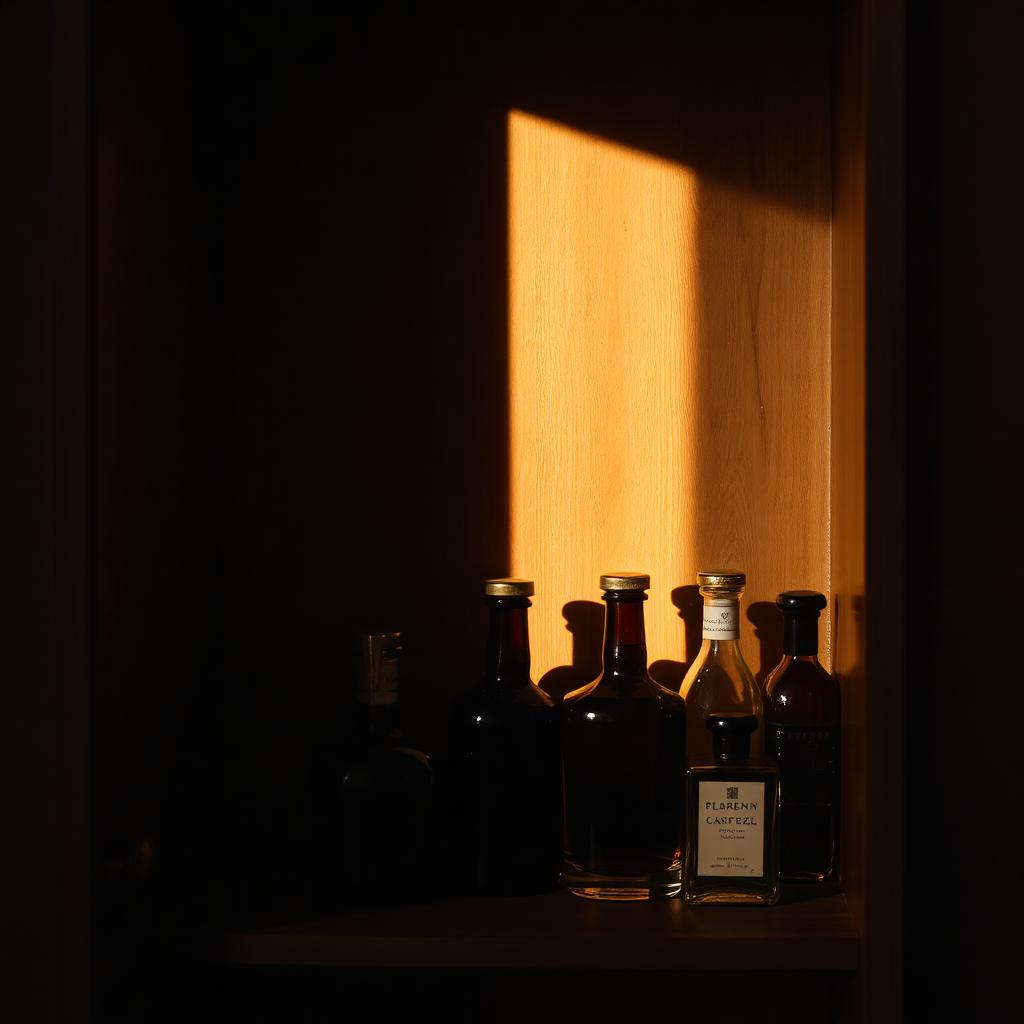
How to Store Perfume (and How Long It Actually Lasts)
An unopened perfume lasts 3–5 years, an opened one lasts 2–3. Store bottles upright, in the original box, in a cool dark place away from bathrooms and sunlight. Heat, light and oxygen are the three things that quietly kill a fragrance.
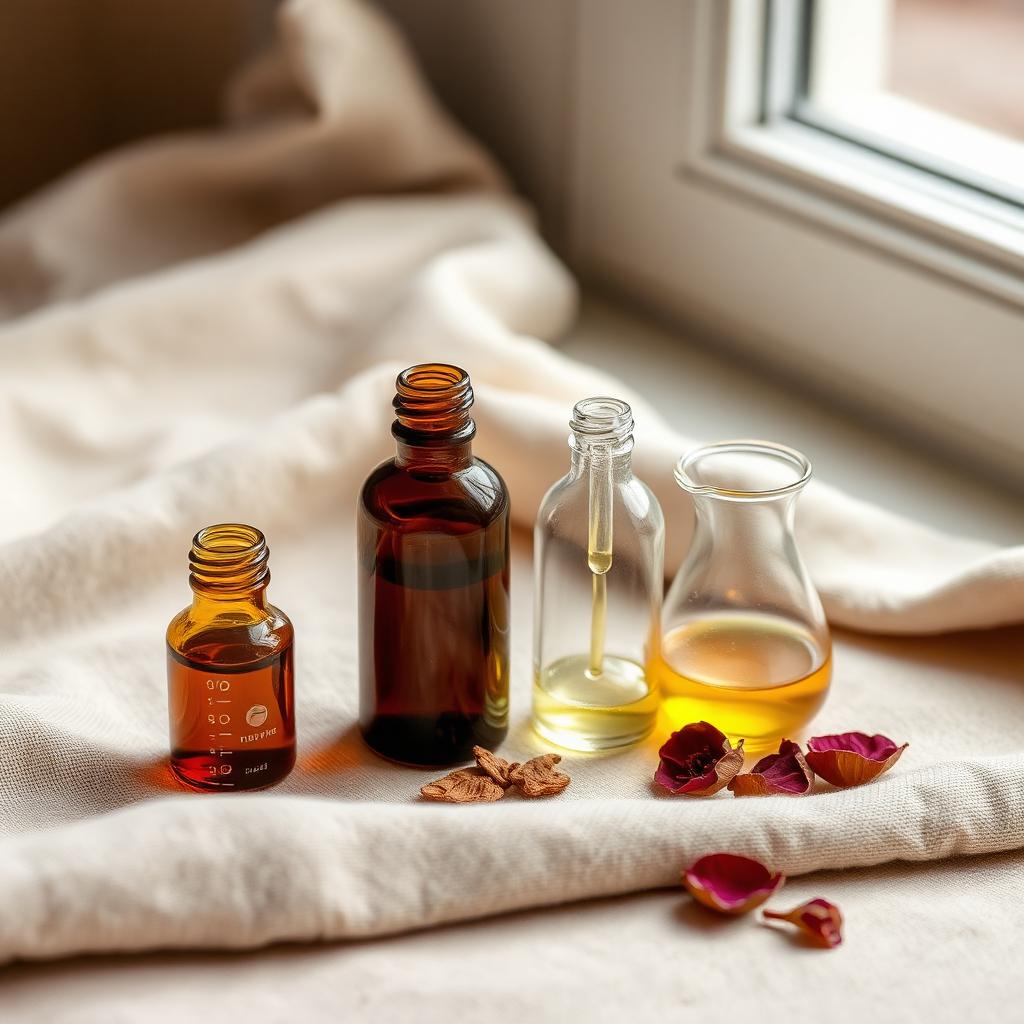
How to Make Perfume at Home: A Beginner's Guide for India
A practical, no-nonsense walkthrough for making your first bottle of perfume at home in India — with the ingredients, ratios and small mistakes that actually matter.
Build a Perfume Together
Date night, gifting, or a quiet evening alone — every Whiff & When kit is an invitation to make something only you could make.
Shop the Kits