The Poetics of Sandalwood: Building an Indian Signature Scent at Home
Mysore sandalwood is the quiet anchor of Indian perfumery — and the easiest base note to start with when you make your own perfume at home with a DIY kit.
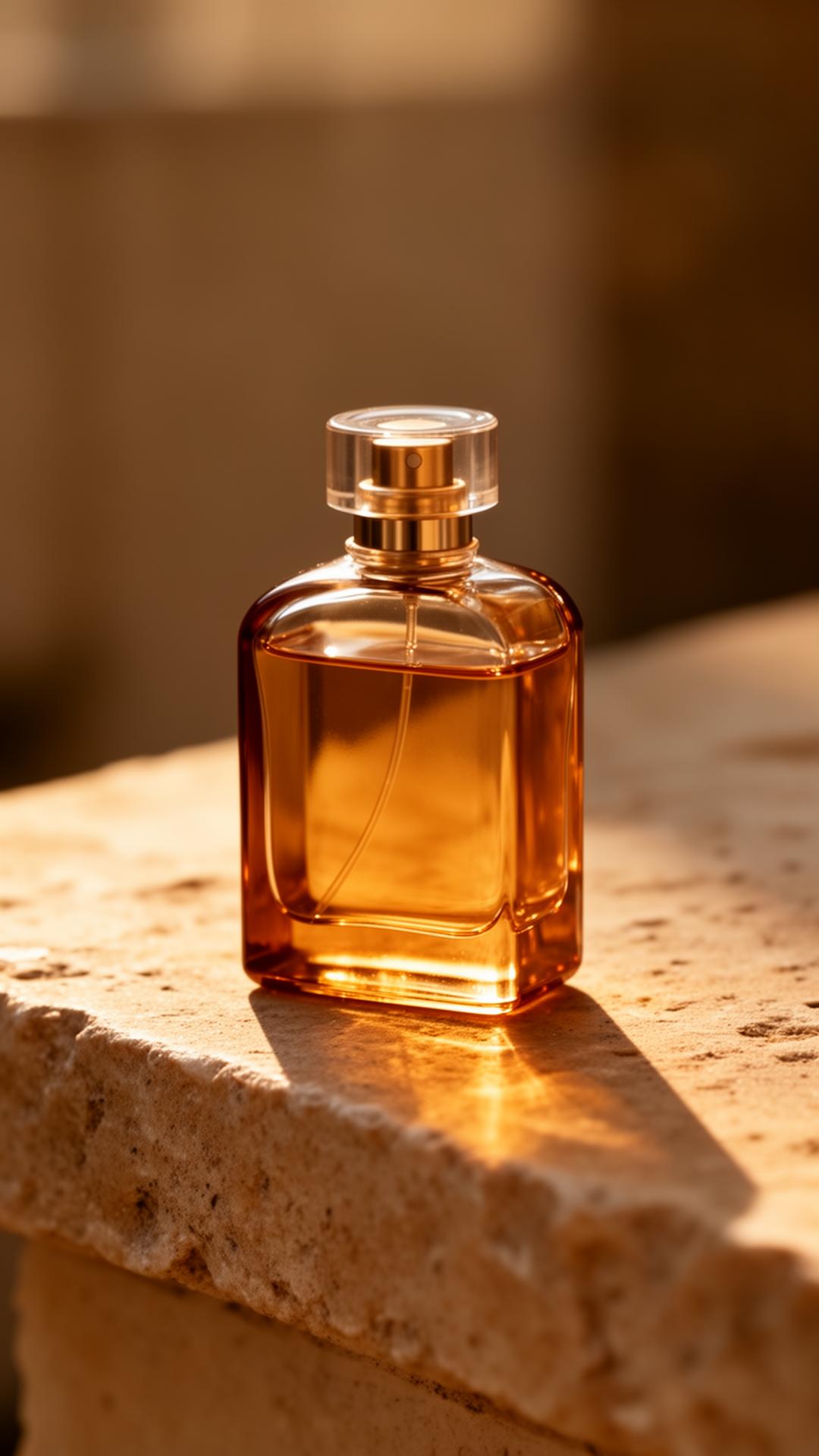
I started writing this on a Wednesday around 7 PM, in that small window where Bangalore traffic finally goes soft and the mogra on my balcony picks up volume. That hour, for me, is sandalwood hour. Has been since I was sixteen and my mother first opened her steel almirah and let me smell a tiny dark bottle of chandan oil she'd been hoarding since her wedding.
Mysore sandalwood has been hydro-distilled in southern India for well over a thousand years. Old Sangam-era texts describe it as the smell of stillness — wet stone, the inside of a temple after the last bell. If Indian perfumery has a heartbeat, this is it. If you're learning to make your own perfume at home for the first time, it is also the most forgiving base note you can build around.
What makes it strange, in a good way: sandalwood is slow. Cedar shows up the second you uncap it. Vetiver almost shouts. Sandalwood waits. You'll smell it properly around the twenty-minute mark, when it begins to press itself into the warm skin behind your ears. By hour two it has quietly rewritten whatever else is in the blend, in its own accent.
There is no painless way to talk about the price. True santalum album oil from Karnataka now sells for more per kilo than silver, sometimes more than gold depending on the auction. A lot of mass-market 'sandalwood' fragrances on Indian shelves are actually Australian spicatum or synthetic alpha-santalol. Both are fine. They are not the same molecule. One is a recorded raga playing on Bluetooth. The other is sitting on the floor of the auditorium while it is performed.
A small experiment for your first blending evening. Drop one drop of pure sandalwood on the inside of your left wrist. Do not blend anything yet. Walk away for ten minutes. Make tea. Come back. Now look at the rest of your oils and pick the one your hand reaches for. Nine times out of ten, whatever you choose will already be in conversation with the wood. Not magic. Chemistry being polite.
If you want to build around this wood, the Alchemist Kit is the one. Sandalwood sits at the centre of its six — Saffron, Orris Root, Woody Amber, Tonka Bean and Leather around it. Warm, slow, forgiving of rookie mistakes, and every other note in the box has somewhere to land. The AI Perfume Studio access that comes with it will also talk you through your first ratios if you'd rather not guess.
A DIY perfume kit is not a finished bottle. It is a small atelier sitting on your dining table for an evening: amber vials, one glass beaker, a scent guide, a notebook with your own handwriting in it. The geometry of it belongs entirely to you.
And the lesson sandalwood quietly teaches you is, I think, the only one that really matters in personal perfumery. A great signature scent is not the loudest in the room. It is the one a colleague leans in to ask about three hours later, the one your partner notices in your hair on the next morning's pillow. If you have never blended your own — start there.
"Sandalwood does not announce itself. It arrives like a memory you almost forgot you had."
Alchemist Kit ₹2,499
Studio 6 Reserve palette — Sandalwood, Saffron, Orris Root, Woody Amber, Tonka Bean, Leather.
Every kit includes complimentary access to the AI Perfume Studio — personalised recommendations, step-by-step mixing guidance, and a place to save and refine your blends.
Editorial Lead, Whiff & When
Aanya writes about Indian perfumery, scent memory and the slow craft of building a signature fragrance. She has been blending at home for over a decade and leads editorial at Whiff & When.
Stories like this, once a month
Quiet musings on scent, memory and the rituals of personal blending.
Continue Reading
What Is Attar? A Plain-English Guide to India's Oldest Perfume
Attar is a concentrated, alcohol-free perfume oil traditionally distilled in India from flowers, wood, spices or clay onto a sandalwood base. Here's how it differs from modern perfume — and how to actually wear it.
How to Make Perfume at Home: A Beginner's Guide for India
A practical, no-nonsense walkthrough for making your first bottle of perfume at home in India — with the ingredients, ratios and small mistakes that actually matter.
Mitti Attar: How India Bottled the Smell of the First Monsoon
Petrichor — that smell of the first rain on dry earth — has been distilled in Kannauj for 400 years. The science, the nostalgia, and how to recreate it in your own blend.
Build a Perfume Together
Date night, gifting, or a quiet evening alone — every Whiff & When kit is an invitation to make something only you could make.
Shop the Kits