How to Store Perfume (and How Long It Actually Lasts)
An unopened perfume lasts 3–5 years, an opened one lasts 2–3. Store bottles upright, in the original box, in a cool dark place away from bathrooms and sunlight. Heat, light and oxygen are the three things that quietly kill a fragrance.
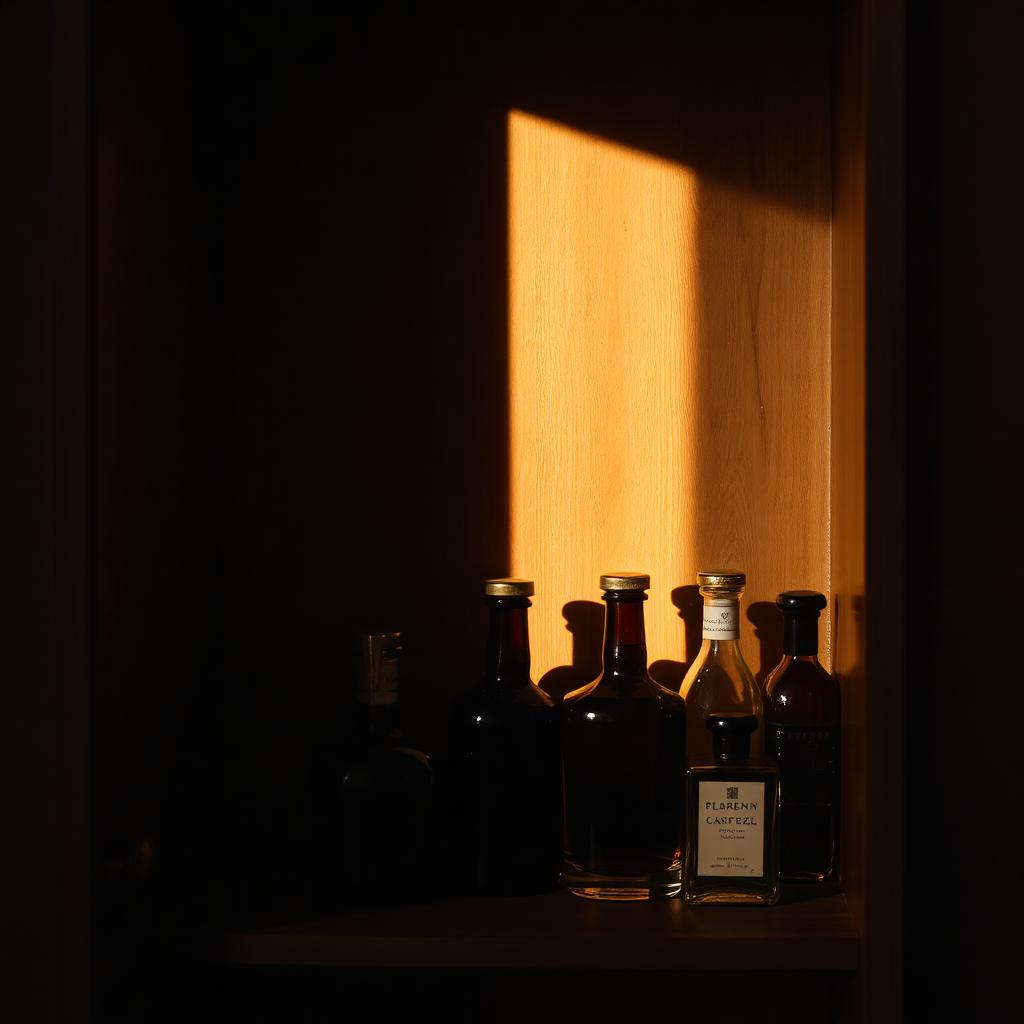
An unopened perfume typically lasts 3–5 years, and an opened one lasts 2–3 years, sometimes longer for oud- and amber-heavy compositions. The three enemies are heat, light and oxygen. Store perfume upright, in its original box, in a cool dark place — not the bathroom, not a sunlit dresser, not the top of a wardrobe near an incandescent bulb. That is the whole care manual in a paragraph.
Why perfume goes bad. Perfume degrades in three ways. Oxidation — every time the bottle is opened, a small amount of air enters and slowly changes the top notes. Photodegradation — UV light breaks down aromatic molecules, which is why some fragrances turn amber or brown after a year in sunlight. Evaporation — even sealed bottles lose a small amount of volume over time. All three are slowed dramatically by cool, dark, upright storage.
The bathroom is the worst place. Every hot shower spikes the temperature and humidity in that room by 15–20°C. Repeated thermal cycling breaks down perfume faster than almost anything else. If your bottle is currently in a bathroom cabinet, move it. Tonight.
Original boxes are underrated. They exist to block light, and they also insulate the bottle against temperature swings. Throwing away the box because it looks messy on your dresser is a small mistake with a slow cost.
The fridge question. Some collectors keep perfume in a wine cooler at 12–15°C. This is genuinely optimal for long-term storage, especially for natural and vintage perfumes. A regular kitchen fridge (2–4°C) is too cold and too humid — the temperature swings when you open the door are the actual problem, not the cold. For most people, a bedroom drawer is fine.
How to tell if a perfume has gone off. Three signs. The colour has darkened noticeably (a pale yellow perfume turning deep amber). The top notes smell sour, metallic or like nail polish remover. The base still smells fine but the opening is missing. If two of the three are true, the perfume is oxidised. It's not dangerous — just no longer what it was.
Perfume oils and attars last longer than alcohol-based perfumes. Because they contain no alcohol and no water, they have less to oxidise. A well-stored oud attar can improve with age, the way a wine can. This is why serious collectors of Indian attar treat their vials like an archive.
For home-blended perfumes made from a Beginner Kit, the same rules apply — plus one extra. Rest your finished blend in a dark drawer for at least two weeks before you first wear it. The maceration process is easier to protect than to fix — read the full guide on why perfume needs to rest.
A perfume does not die suddenly. It fades in the wrong drawer for a year, and one day you notice the top notes are gone. Store it well and it will keep the promise it made at first spray.
"A perfume does not die suddenly. It fades in the wrong drawer for a year and one day you notice."
Beginner Kit ₹1,999
Studio 6 Foundation palette — Bergamot, Grapefruit, Lavender, Rose, Cedarwood, Orange Blossom.
Every kit includes complimentary access to the AI Perfume Studio — personalised recommendations, step-by-step mixing guidance, and a place to save and refine your blends.
Frequently asked
- Does perfume expire?
- Yes, slowly. An unopened bottle lasts 3–5 years; an opened bottle lasts 2–3 years on average. Oud, amber and resin-heavy perfumes often last longer; citrus-forward fresh perfumes go off fastest.
- Where should I store my perfume?
- In a cool, dark place — a bedroom drawer or cupboard is ideal. Avoid bathrooms, windowsills, and any location that experiences temperature swings above 25°C or direct sunlight.
- Can I keep perfume in the fridge?
- A dedicated wine cooler at 12–15°C is genuinely great for long-term storage. A regular kitchen fridge is too cold and too humid, and the door-opening temperature swings cause more harm than the cold prevents.
- How do I know if my perfume has gone bad?
- Three signs together: the colour has darkened noticeably, the top notes smell sour or metallic, and the opening feels 'off' even though the dry-down still smells acceptable. If two of the three are true, the perfume has oxidised.
Home Blending Educator
Riya teaches first-time blenders — maceration, dilution, the unglamorous middle steps that decide whether a perfume actually works.
Stories like this, once a month
Quiet musings on scent, memory and the rituals of personal blending.
Continue Reading
Let It Rest: Why Maceration Is the Step Most Home Blenders Skip
A freshly mixed perfume is not the same perfume two weeks later. A short, honest guide to maceration — why aging your blend changes everything, and how long is long enough.
How to Make Perfume Last in Indian Summer
40°C heat, AC offices, two-wheeler commutes and the smell of one’s own sweat by 11 AM. A practical handbook for keeping fragrance alive in actual Indian weather.
The Quiet Math of Dilution: Getting Your Perfume Ratios Right at Home
Most home blends fail not because of the oils, but because of the dilution. A working guide to perfume concentration, carrier ratios and the small numbers that decide whether your scent sings or shouts.
Build a Perfume Together
Date night, gifting, or a quiet evening alone — every Whiff & When kit is an invitation to make something only you could make.
Shop the Kits