Vikram Joshi
Vikram is a Mumbai-based independent perfumer with a decade of bench work behind him. He writes the blunt, troubleshooting-heavy guides.
Stories by Vikram
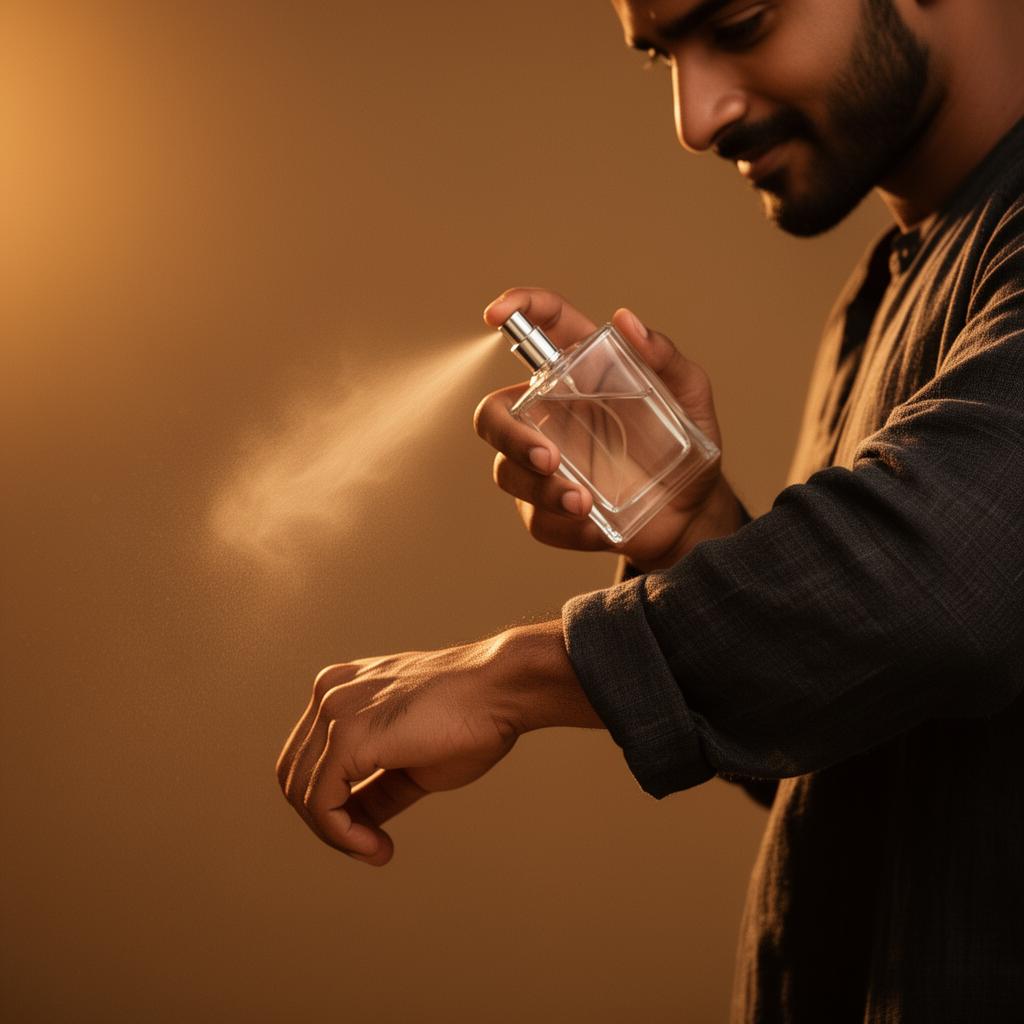
Best Perfume for Men in India 2026: A Blender's Take
Wild Stone, The Man Company, Skinn, Armaf — they all do the job. But the most-asked perfume question in India misses the point. Here’s a different answer.
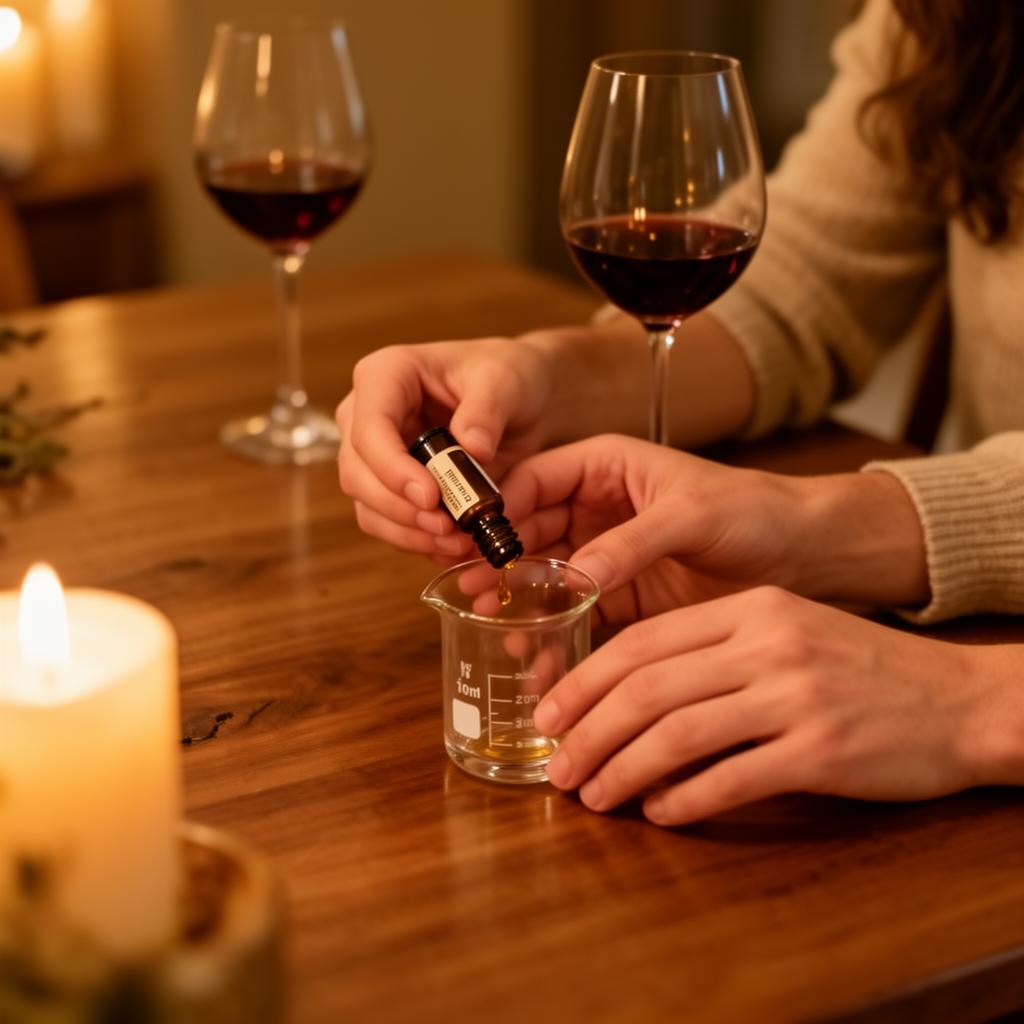
Anniversary Gift for Couples: Blend a Scent Together
Watches break. Roses wilt. Restaurants get forgotten. A perfume you blended together on your anniversary is the one gift that gets *better* every year you wear it.
Fixing a Bad Blend: A Field Guide to Rescuing Home-Made Perfume
Muddy, flat, too sharp, no projection, smells like alcohol — every home blender hits at least one of these. A practical troubleshooting guide for saving the bottle instead of binning it.
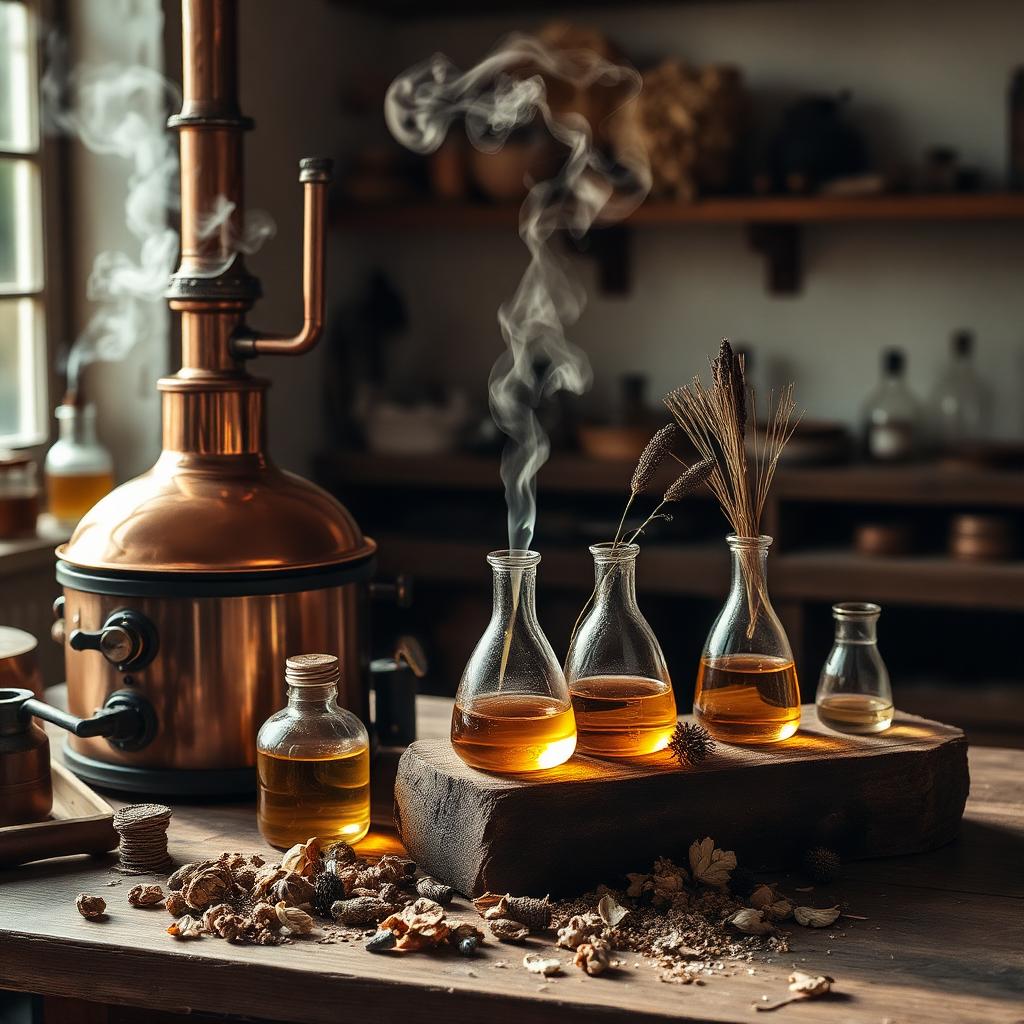
How Perfume Is Made: From Raw Botanical to Bottle, Explained
Perfume is made in four broad stages — sourcing raw materials, extracting their aromatic oils, blending those oils into a formula around top, heart and base notes, then diluting and maturing the blend in alcohol or oil. Here's what actually happens at each stage.
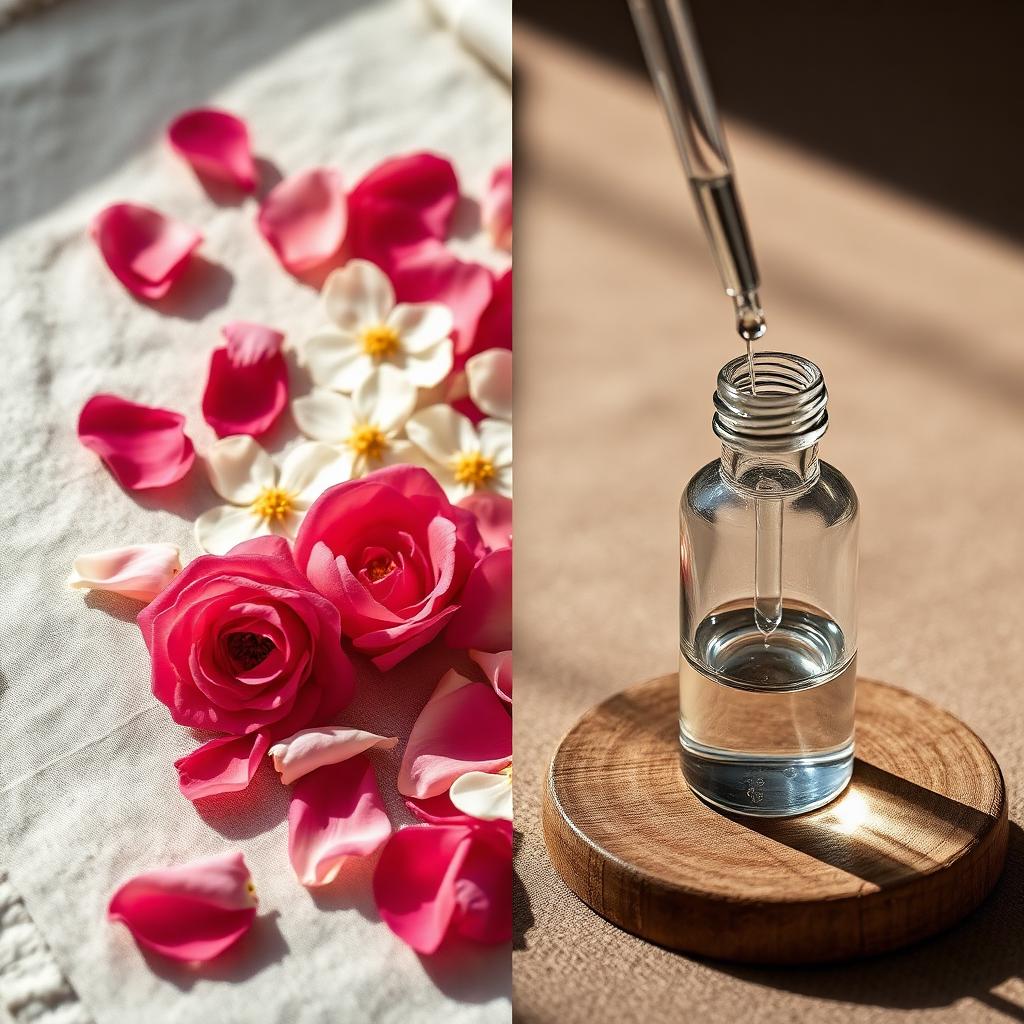
Natural vs Synthetic Perfume: Which Is Actually Better?
Neither is objectively better. Natural perfume uses only essential oils and absolutes — richer, less consistent, more expensive. Synthetic perfume uses lab-made aroma molecules — more stable, safer for skin, and often more sustainable. Most modern perfumes use both.