Best Perfume for Men in India 2026: A Blender's Take
Wild Stone, The Man Company, Skinn, Armaf — they all do the job. But the most-asked perfume question in India misses the point. Here’s a different answer.
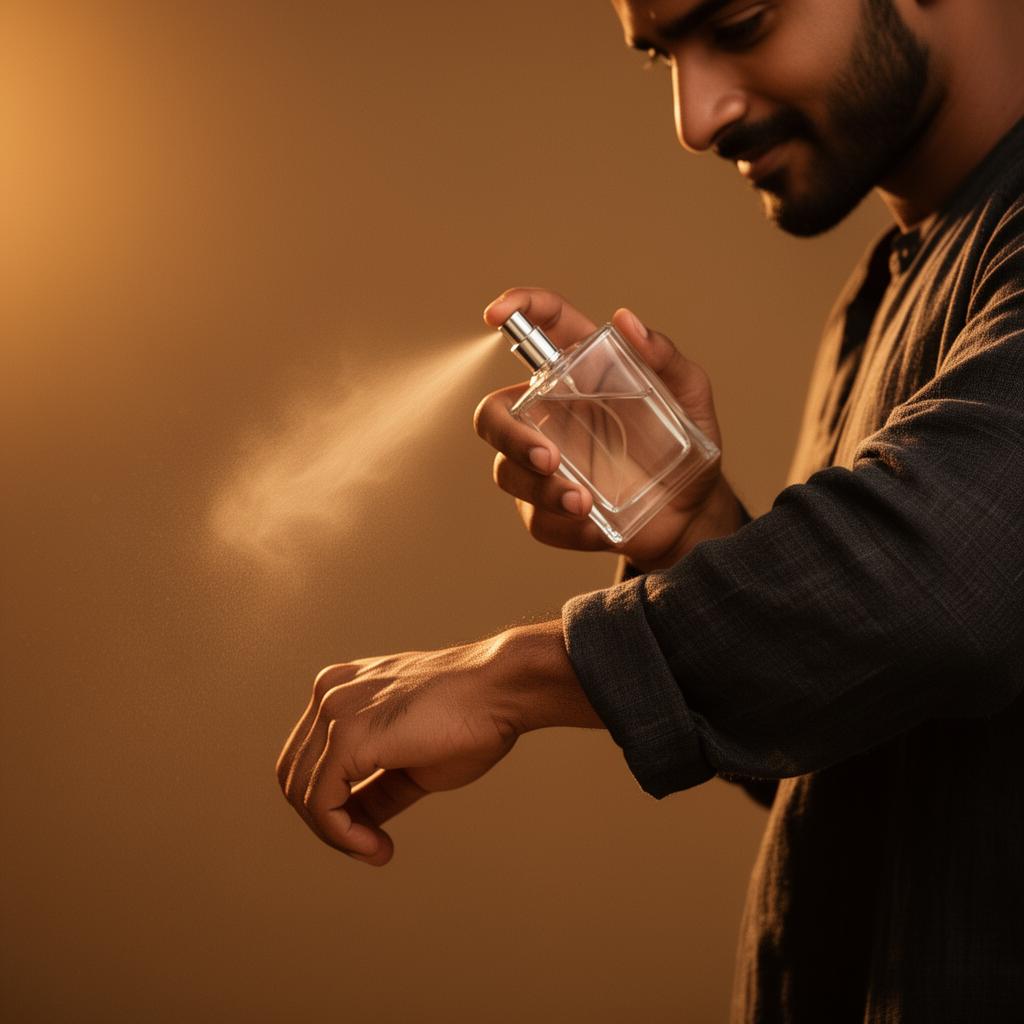
For most Indian men the right perfume is decided by use-case, not brand: a woody-aromatic EDP at 15–20% concentration for office and daily wear, something spiced and ambery for evenings, an oud or sandalwood attar for weddings, and a citrus-vetiver for gym-to-dinner. Longevity comes from oil concentration, not price. Beyond that, the differentiator is whether anyone else is wearing it.
Type 'best perfume for men in India' into Google and the same eight names come up every single quarter. Wild Stone Edge, The Man Company, Skinn by Titan, Armaf Club de Nuit, then Versace, Ferrari and Hugo Boss for the budget bump. They are all fine fragrances. They are also worn by roughly 40 million other men in this country, which dilutes the entire point of buying one.
Here is the part nobody writes plainly. In 2026, the best 'brand' of perfume for a man in India is the one nobody else has the formula for. The compliment you actually want is not 'oh you are wearing that new Armaf', it is 'what is that, I have never smelled it on anyone'.
Buy by occasion, not by bestseller list
If you are going to buy off the shelf, the real shortlist by use-case looks like this. For office and daily wear, pick something woody-aromatic with low projection, EDP not EDT because it lasts longer in AC. For date nights, spice and amber, nothing too sweet, nothing too sharp. For wedding season and festivals, oud or a sandalwood-forward attar; it belongs in Indian air the way bergamot belongs in a French summer. For gym-to-dinner, citrus-vetiver that dries fast and will not turn sour against fresh sweat.
Two sprays for office. Four is not twice as impressive, it is twice as intrusive, and in a closed cabin or a metro coach at 9 AM it is genuinely rude. Save the heavier hand for outdoor evening events where the air moves.
One more thing about AC offices specifically. Cold, dry, recirculated air holds fragrance far longer than open air does — a scent that reads as moderate on your terrace will read as loud by the third hour at your desk. If your colleagues can identify you before you round the corner, that is the room telling you something.
Why longevity is chemistry, not brand
Here is the thing every long-lasting-perfume-for-men listicle quietly skips: longevity is not really about brand, it is about concentration and chemistry. Most affordable Indian deos sit at 4–8% fragrance oil. EDPs are 15–20%. Pure attars are essentially 100%. Higher the load, longer the wear. Physics, not marketing.
Molecular weight matters as much as load. Citrus and light aromatics are small molecules that leave in half an hour whatever you paid. Sandalwood, vetiver, oud, patchouli, amber and musks are heavy and stubborn, and they are what makes a fragrance still detectable at hour eight. A ₹1,200 bottle with a real vetiver base will outlast a ₹9,000 bottle built on citrus and white florals every single time.
Skin plays its part too. Dry skin loses scent fast — a plain unscented moisturiser on the pulse points before spraying buys most men two extra hours. Oily skin amplifies base notes, so if oud goes overwhelming on you, that is why, and the fix is less product rather than a different bottle. Our full breakdown of concentrations, from EDT to parfum goes deeper.
What to actually spend
Rough bands for 2026. Under ₹1,500 gets you decent Indian D2C EDPs and clones; expect four to five hours and a slightly rough opening. ₹1,500–4,000 is the sweet spot — Armaf, Skinn, better Indian niche houses, six to eight hours, and genuinely good juice. ₹4,000–10,000 buys designer bottles, better raw materials and much better dry-downs. Above that you are paying for niche perfumery, exclusivity and a lot of packaging.
The bracket almost nobody considers: ₹800–3,000 on a real attar. Per wear it is the cheapest fragrance you will ever own, and it is the one thing in this list that no colleague of yours will be wearing. If you have never tried it, start here.
The mistakes I see most often
Spraying onto a fresh shirt straight from the iron and wondering why it vanished — heat kills top notes on contact. Rubbing wrists together after spraying, which crushes the opening. Buying the whole bottle at the counter after ninety seconds of smelling it on a paper strip. Wearing the same fragrance for four years and no longer being able to smell it yourself, then applying more.
And the big one: buying a winter fragrance in December and wearing it through May. A dense amber-vanilla that felt sophisticated in Delhi in January turns syrupy in the same city in April. Two bottles, split by season, solves more perfume unhappiness than any upgrade in price ever will.
The case for blending your own
Which is exactly why blending your own has become the smart play. A DIY perfume kit lets you build at near-EDP strength, choose your own balance of fresh-vs-warm-vs-musk, and end up with something that costs roughly what a mid-tier mall bottle does — except nobody else on the Mumbai metro is wearing it.
In practice it works like this. Six oils, a 20% concentration in perfumer's alcohol, three weeks resting in a dark cupboard, and you have a 30ml bottle at genuine EDP strength. Most men land on a woody-spicy signature by their second or third attempt: sandalwood and vetiver holding the base, cardamom or black pepper through the heart, bergamot on top so it opens properly.
Start with the Alchemist Kit. Its top–heart–base palette is built for the kind of confident, slightly woody, slightly spicy signature most Indian men actually want and cannot find in a single bottle.
When you should just buy a bottle
I run blending workshops, so take this seriously coming from me: DIY is the wrong answer for some people. If you want a specific designer scent you already love, buy it — you will not clone it at home. If you travel constantly and need something reliable in a duty-free, buy it. If the idea of waiting three weeks for a blend to settle sounds tedious rather than interesting, buy it and enjoy your evening.
Blending is worth it when you actually want the process, and when smelling like nobody else matters more to you than convenience. That is a real preference, not a universal one.
The shelf will always be there. So will the algorithm telling you what to wear. The interesting move, I think, is to stop searching for 'best perfume for men in India' and start building the answer yourself.
"You don’t want to smell like the guy in the lift. You want him to ask what you’re wearing — and not be able to find it online."
Alchemist Kit ₹2,499
Studio 6 Reserve palette — Sandalwood, Saffron, Orris Root, Woody Amber, Tonka Bean, Leather.
Every kit includes complimentary access to the AI Perfume Studio — personalised recommendations, step-by-step mixing guidance, and a place to save and refine your blends.
Frequently asked
- Which perfume is best for men in India?
- It depends on where you are wearing it. A woody-aromatic EDP suits office and daily use, spiced amber works for evenings, an oud or sandalwood attar fits weddings, and citrus-vetiver handles gym-to-dinner. Buying by occasion beats buying by bestseller list every time.
- Which perfume lasts longest for men in Indian weather?
- Concentration and molecular weight decide this. Anything at 18–22% oil load lasts roughly twice as long as a 6–8% deodorant, and heavy bases — sandalwood, oud, vetiver, patchouli — survive 40°C afternoons far better than citrus-led compositions.
- What is a good budget for men's perfume in India?
- ₹1,500 to ₹4,000 is the value sweet spot in 2026 and buys six to eight hours of wear with genuinely good materials. Below ₹1,500 expect four to five hours and a rougher opening. Above ₹4,000 you are mostly paying for raw material quality and exclusivity.
- How many sprays of perfume should a man use?
- Two for an office day, three or four for an outdoor evening. Air-conditioned rooms hold fragrance much longer than open air, so the same amount that feels moderate outside will read as heavy at your desk by the third hour.
- Where should men apply perfume?
- Pulse points where skin is warm and thin — inside the wrists, the base of the neck, and the chest under a shirt. Skip freshly ironed fabric, since residual heat destroys top notes on contact, and never rub your wrists together after spraying.
- Is it worth blending your own perfume as a man?
- It is if you want something nobody on your metro line is wearing and you enjoy the making. A kit at near-EDP strength costs about what a mid-tier mall bottle does and yields several bottles. If you just want a reliable scent by next week, buy one instead.
Independent Perfumer
Vikram is a Mumbai-based independent perfumer with a decade of bench work behind him. He writes the blunt, troubleshooting-heavy guides.
Stories like this, once a month
Quiet musings on scent, memory and the rituals of personal blending.
Continue Reading
Best Perfume for Men in India: Beyond the Cologne Cliché
Why the marine, sporty fragrance template is finally dying — and what thoughtful Indian men are wearing, blending and gifting instead.
How to Make Perfume Last in Indian Summer
40°C heat, AC offices, two-wheeler commutes and the smell of one’s own sweat by 11 AM. A practical handbook for keeping fragrance alive in actual Indian weather.
Oud Attar: A Practical Guide to Wearing It Well
Oud is the most expensive raw material in modern perfumery — and the most misunderstood. A practical guide to oud attar, layering it, and using it in DIY blends.
Build a Perfume Together
Date night, gifting, or a quiet evening alone — every Whiff & When kit is an invitation to make something only you could make.
Shop the Kits