How Perfume Is Made: From Raw Botanical to Bottle, Explained
Perfume is made in four broad stages — sourcing raw materials, extracting their aromatic oils, blending those oils into a formula around top, heart and base notes, then diluting and maturing the blend in alcohol or oil. Here's what actually happens at each stage.
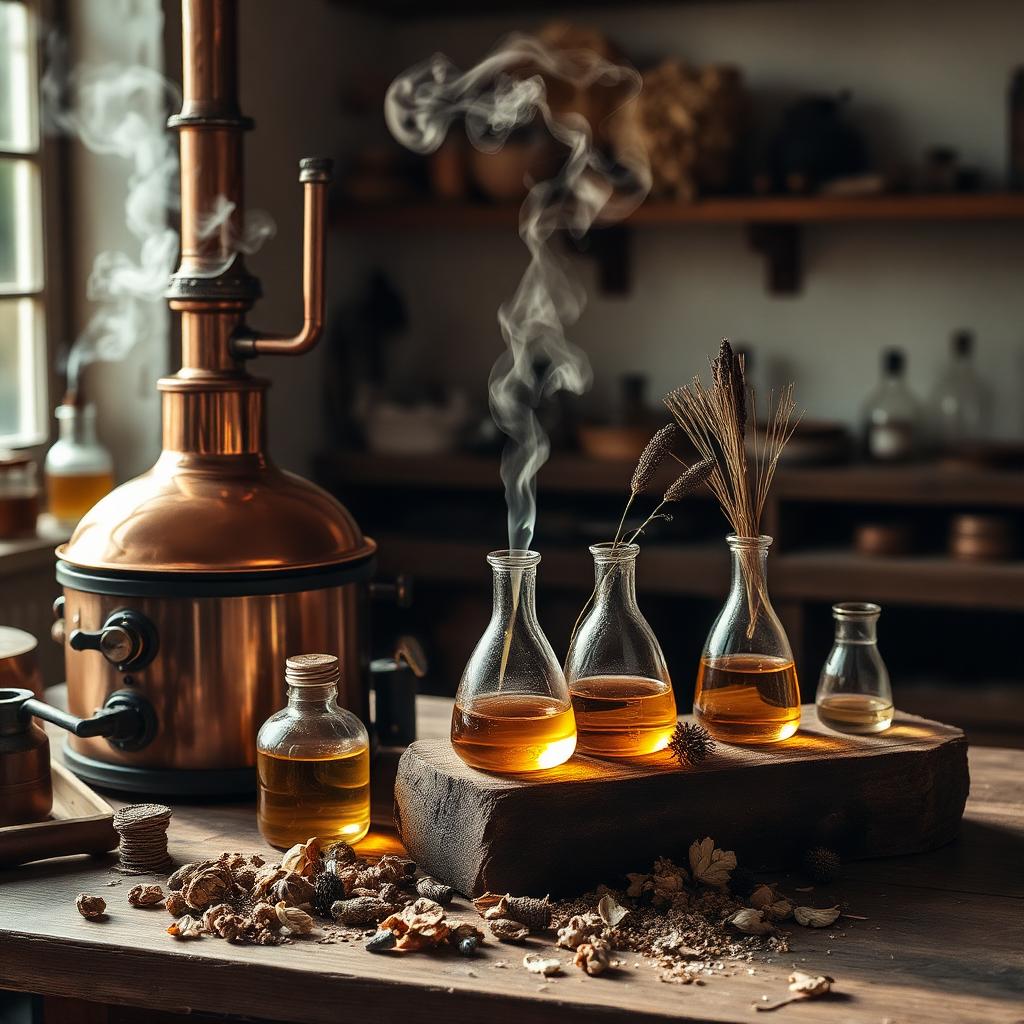
Perfume is made in four broad stages: sourcing raw botanicals, extracting their aromatic oils, blending those oils into a formula around top, heart and base notes, and finally diluting and maturing the blend in alcohol or oil. That's the whole industry in one sentence. The interesting part is what happens inside each stage, and where a home blender's process actually overlaps with what a Grasse perfumer does.
Sourcing is stage zero, and it decides more than most people realise. A kilogram of rose otto from Kannauj smells different from a kilogram from Bulgaria — same species, different soil, different harvest hour. Serious perfumers buy by lot number and vintage, the way winemakers do. Cheap perfume starts here: with cheap raw material.
Extraction is where botanicals become oil. There are three main methods you'll actually encounter. Steam distillation, used for rose, sandalwood, jasmine, and most attars — steam passes through the plant matter and the volatile compounds come out on the other side. Solvent extraction, used for delicate flowers like jasmine and tuberose that cannot survive high heat — yields an 'absolute'. CO2 extraction, a newer method, gives the truest-to-source scent and is what most modern niche brands are shifting toward.
Then there's enfleurage — the near-extinct method of laying flowers on fat to absorb their scent, one petal-swap at a time. Almost nobody does this commercially anymore. It shows up in stories more than in bottles.
Blending is where the perfumer actually earns their fee. A finished perfume can contain anywhere from twelve to over a hundred individual materials, arranged into three registers — top, heart, base. The blend is built in a pipette, one drop at a time, on a lab bench, over weeks. Most formulas go through thirty or forty revisions before the perfumer signs off. Nothing about this stage is glamorous. It is spreadsheet work with a nose attached.
Dilution comes next. The finished oil blend gets combined with a carrier — usually perfumer's alcohol (denatured ethanol) for Western perfume, or a base oil for Indian attars. This is where concentration is decided: 20–30% aromatic compound gives you Parfum, 15–20% gives EDP, 5–15% gives EDT, and so on. Same blend, different intensities, different price tags.
Then maturation, which almost nobody outside the industry talks about. The bottled perfume rests in dark tanks for four to six weeks, sometimes longer, so the molecules bond and the harsh alcoholic edge softens. Skip this step and even a perfect blend will smell rough. This is exactly why we tell home blenders to rest their perfumes — you can read the full breakdown in why perfume needs to rest.
Filtration and bottling close the process. The matured perfume is chilled, filtered to remove waxy sediment, and only then does it enter the bottle you eventually spray.
If you want to run the last three stages yourself — blending, dilution, maceration — that's exactly what a DIY perfume kit is built for. Our Creator Kit gives you a wider oil library, carrier, beakers and a formulation notebook, which is basically a home version of a perfumer's bench.
A perfume, in the end, is a document of dozens of small decisions — sourcing, extraction method, ratios, resting time — most of them made months before the bottle is sealed. Once you understand the stages, no fragrance you smell will read the same way again.
"A perfume is a document of dozens of small decisions, most of them made months before the bottle is sealed."
Creator Kit ₹2,199
Studio 6 Spectrum palette — Lemon Zest, Jasmine, Pink Pepper, Blackcurrant, Patchouli, Amber.
Every kit includes complimentary access to the AI Perfume Studio — personalised recommendations, step-by-step mixing guidance, and a place to save and refine your blends.
How to do it, step by step
- Source raw materialsPick your aromatic materials — essential oils, absolutes, or attars. Quality of raw material sets the ceiling for the finished perfume.
- Blend around top, heart and baseCombine oils in a pipette, one drop at a time, aiming for roughly 30% top / 50% heart / 20% base. Log every drop.
- Dilute in a carrierAdd perfumer's alcohol or base oil until you hit the concentration you want — 20% for parfum, 15% for EDP, 8% for EDT.
- MacerateRest the finished blend in a dark cool place for at least 2–4 weeks. Longer for oud-heavy or resin-heavy blends.
- Filter and bottleChill and filter the matured blend before transferring it to a clean glass bottle. Label with formula name and date.
Frequently asked
- What are the four stages of perfume making?
- Sourcing raw botanicals, extracting their aromatic oils, blending them into a formula around top-heart-base notes, and finally diluting and maturing the blend in alcohol or oil.
- How is perfume extracted from flowers?
- Most commonly by steam distillation. Delicate flowers like jasmine use solvent extraction to produce an 'absolute'. CO2 extraction is a newer method that gives the truest-to-source scent.
- How long does it take to make a perfume?
- From formula to bottle, typically three to six months. Blending alone can take weeks of revisions, and the finished perfume then rests for four to six weeks to mature before bottling.
- Can I make perfume at home?
- Yes. Home blending covers the last three stages — blending, dilution and maceration — using pre-extracted oils in a DIY perfume kit. You don't need distillation equipment.
Independent Perfumer
Vikram is a Mumbai-based independent perfumer with a decade of bench work behind him. He writes the blunt, troubleshooting-heavy guides.
Stories like this, once a month
Quiet musings on scent, memory and the rituals of personal blending.
Continue Reading
Anatomy of a Perfume Note: Top, Heart and Base, Explained
A working guide to the three-act structure of every fragrance — and how to use top, heart and base notes when you blend your own perfume with a DIY kit.
The Quiet Math of Dilution: Getting Your Perfume Ratios Right at Home
Most home blends fail not because of the oils, but because of the dilution. A working guide to perfume concentration, carrier ratios and the small numbers that decide whether your scent sings or shouts.
Let It Rest: Why Maceration Is the Step Most Home Blenders Skip
A freshly mixed perfume is not the same perfume two weeks later. A short, honest guide to maceration — why aging your blend changes everything, and how long is long enough.
Build a Perfume Together
Date night, gifting, or a quiet evening alone — every Whiff & When kit is an invitation to make something only you could make.
Shop the Kits