Attar vs Perfume: What Indians Actually Mean When They Say ‘Ittar’
Attar, ittar, eau de parfum, EDT — the words get used interchangeably in India but they are not the same thing. A plain-English guide for anyone choosing a scent (or building one).
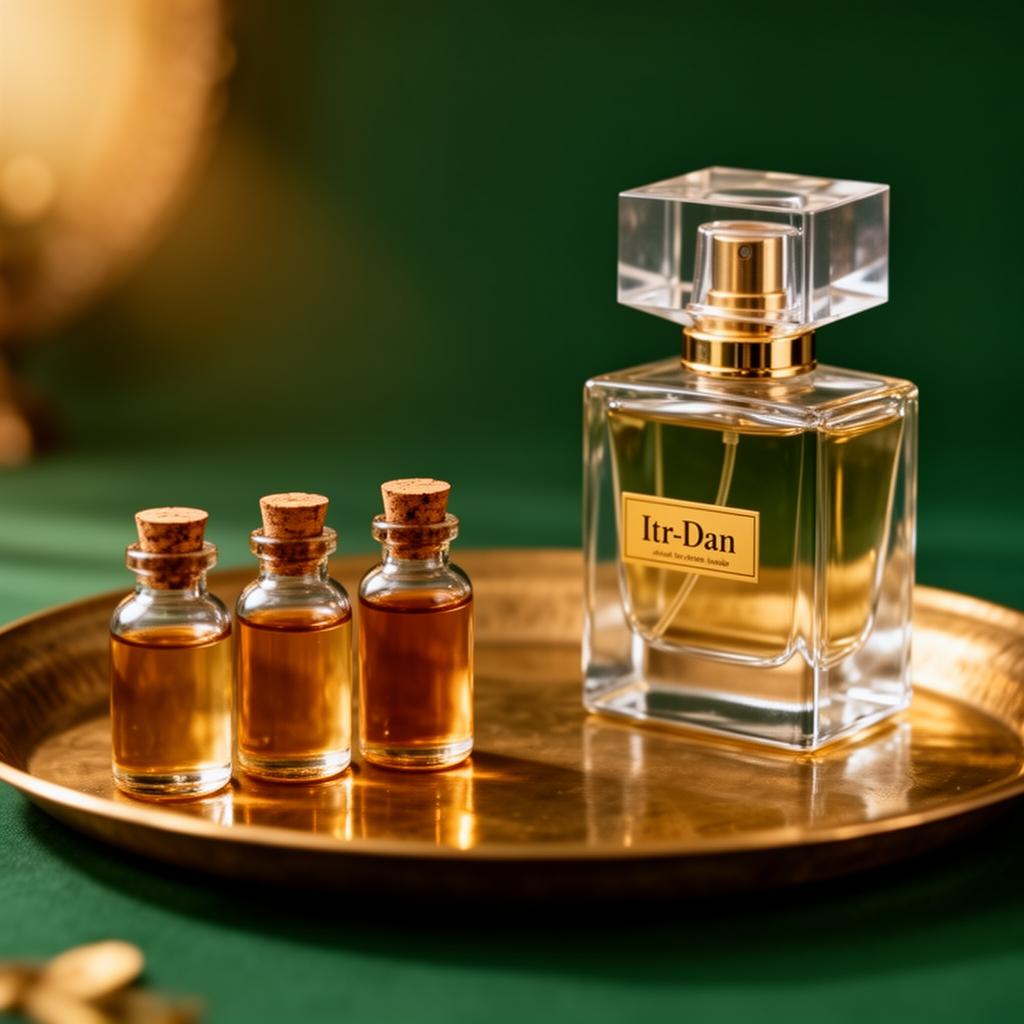
Attar is a concentrated, alcohol-free perfume oil, traditionally distilled onto a sandalwood base and dabbed onto pulse points, where it lasts eight to twenty-four hours close to the skin. Perfume is that same kind of aromatic material diluted in alcohol at 5–20%, sprayed, and built to project outward for four to eight hours in distinct layers. Same purpose, two different objects.
Walk into any old-city lane in Hyderabad, Lucknow or Bhendi Bazaar and within ninety seconds someone will hand you a tiny glass vial and say, sir, ittar try kar lo. Walk into a duty-free at Delhi airport and someone will spray you with something that costs ten times more. Both are called perfume in casual conversation. They are very, very different things.
Ittar, attar, itr — is there a difference?
No. They are the same word travelling through different languages. 'Itr in Arabic, itr or ittar in Urdu and Hindi, attar in the anglicised spelling that ended up on export labels. If someone tells you ittar and attar are two separate products, they are selling something.
What does vary is what the word covers. In Kannauj it means a hydro-distilled oil on a sandalwood base. In a Mumbai market it often means any small vial of fragrance oil. Neither usage is wrong in daily speech; they are just different levels of precision, and the price gap between them is roughly tenfold.
What is actually in the bottle
Attar is 100% aromatic material and carrier oil. There is nothing volatile to flash off, which is why the smell you get in the first ten seconds is muted, and why it keeps unfolding for half an hour after you apply it.
A modern perfume is mostly ethanol. An EDP at 18% oil load is 82% alcohol, water and fixatives. That alcohol is doing real work — it carries the fragrance into the air as it evaporates, which is what gives you sillage, the trail a person leaves behind them in a corridor.
So attar lives close to the skin. You lean in, somebody catches it, that is the deal. A spray perfume is louder by design. It announces itself, then quietly fades over a few hours into something more intimate. Neither is a compromise; they are two different intentions.
Which one lasts longer in Indian weather?
Attar, and it is not close. At 38–42°C, alcohol evaporates faster, so a spray perfume that gives you seven hours in a Bangalore winter may give you three and a half in a Delhi May. Attar has no alcohol to lose. A good sandalwood-based attar will still be readable at hour ten in the same heat.
Humidity flips one thing though. In coastal humidity — Mumbai, Kochi, Chennai — spray perfumes actually project further, because moist air holds aromatic molecules better. So on a July evening in Bandra a light EDT can feel more present than an attar, even while lasting a third as long.
The practical rule I use: attar from March to June and for anything outdoors, spray perfume in AC offices and winter evenings. If you only own one, make it an attar; this country is hot far more often than it is cold. There is more on this in our guide to making perfume last in Indian summer.
What each one costs
A genuine small-batch attar in a 3ml vial runs ₹800–2,500, and a Kannauj sandalwood-based rose attar goes to ₹6,000. That sounds steep until you count doses: 3ml of attar is roughly 60 applications, so ₹2,000 works out to about ₹33 a wear.
A 50ml designer EDP at ₹6,500 gives you around 130 sprays at three sprays a wear, so roughly ₹150 per wear. Attar is usually the cheaper habit, which surprises most people.
The other quiet truth most attar sellers will not volunteer: a lot of what is sold as ittar today is actually fragrance oil — synthetic concentrates dissolved in a jojoba or DPG base, not true distillations. That is not necessarily bad, it just is not the same thing your dadi's pharmacist was selling in 1978. If the label says CPO or concentrated perfume oil, you are in the modern category.
When to wear which
Attar for weddings, evening prayers, festivals, the kind of moments where you want something rooted and personal that only the person next to you will catch. It is also the right answer for anywhere enclosed and shared — a metro coach at 9 AM, a small meeting room — because it physically cannot impose on strangers.
A spray perfume for the office, dates, travel, anywhere you want a proper top note, a middle and an end. Interviews and first meetings too; the opening burst of a good EDT reads as put-together in a way an attar's slow warm-up does not, simply because nobody is standing close enough yet.
Skin type matters more than people expect. Dry skin drinks attar and needs a light moisturiser underneath first, or you lose three hours of wear. Oily skin amplifies base notes and can make an oud attar go from beautiful to overwhelming, so use half of what you think.
Can you make either at home?
This is where the lines genuinely blur. With a DIY perfume kit you can blend in either direction. Want an attar-style oil? Skip the perfumer's alcohol and blend your six oils straight into a roll-on at about 25% concentration. Want a modern EDP-style spray? Mix the same oils into alcohol at roughly 20%. Same notes, two completely different objects.
Be honest about the limits, though. You can make an attar-format perfume at home. You cannot make attar in the Kannauj sense — that requires a copper deg, a wood fire and about fifteen days per batch. If what you love is specifically the deg-distilled article, buy it from Kannauj and support the people still doing it. If what you want is a personal scent that behaves like attar, blend it.
We built the Signature Kit for exactly this reason — refined oils that behave beautifully both as a close-to-skin attar and as a sprayable signature scent. One palette, two formats, your call. If you are still deciding which route suits you, how to choose a perfume works through it properly.
So the next time someone in a Charminar bazaar tells you 'this is real attar' and someone in a Lower Parel mall tells you 'this is real perfume', they are both telling the truth. Just in different languages.
"Attar is a sentence. Perfume is a paragraph. One isn’t better — they’re just different forms of writing with smell."
Signature Kit ₹3,499
Studio 9 Spectrum palette — nine notes, our widest range from citrus tops to deep woods.
Every kit includes complimentary access to the AI Perfume Studio — personalised recommendations, step-by-step mixing guidance, and a place to save and refine your blends.
Frequently asked
- Is attar the same as perfume?
- No. Attar is an alcohol-free, oil-based concentrate applied in dabs, which sits close to the skin. A modern perfume is alcohol-based, sprays as a cloud and evaporates through layered top, heart and base notes. Different construction, different behaviour.
- Is attar better than perfume?
- Neither wins outright. Attar lasts longer, tolerates heat and suits close settings and religious occasions. Perfume gives you presence, a trail and a proper opening. In Indian conditions attar is the more reliable of the two, which is why most people here end up owning both.
- Is attar more long-lasting than perfume?
- Yes on skin. Pure attar can run twelve to twenty-four hours because there is no alcohol to evaporate. Spray perfumes project further but usually fade in four to eight hours, and rather less than that in peak summer heat.
- Is ittar the same word as attar?
- Yes. Ittar, itr and attar are transliterations of the same Arabic-origin word for perfume. Spelling varies by region and language, not by product. Any seller presenting them as two different categories is inventing a distinction.
- Which is cheaper, attar or perfume?
- Attar, per wear. A ₹2,000 vial of 3ml gives roughly sixty applications, around ₹33 each. A ₹6,500 bottle of 50ml EDP gives about 130 wears at three sprays, closer to ₹150 each. The upfront numbers mislead people.
- Can I make attar at home with a DIY perfume kit?
- You can make an attar-format perfume — blend the oils straight into jojoba or fractionated coconut oil at around 25% and skip the alcohol entirely. True Kannauj attar needs a copper deg and about fifteen days of distillation, so that part is not a home project.
Editorial Lead, Whiff & When
Aanya writes about Indian perfumery, scent memory and the slow craft of building a signature fragrance. She has been blending at home for over a decade and leads editorial at Whiff & When.
Stories like this, once a month
Quiet musings on scent, memory and the rituals of personal blending.
Continue Reading
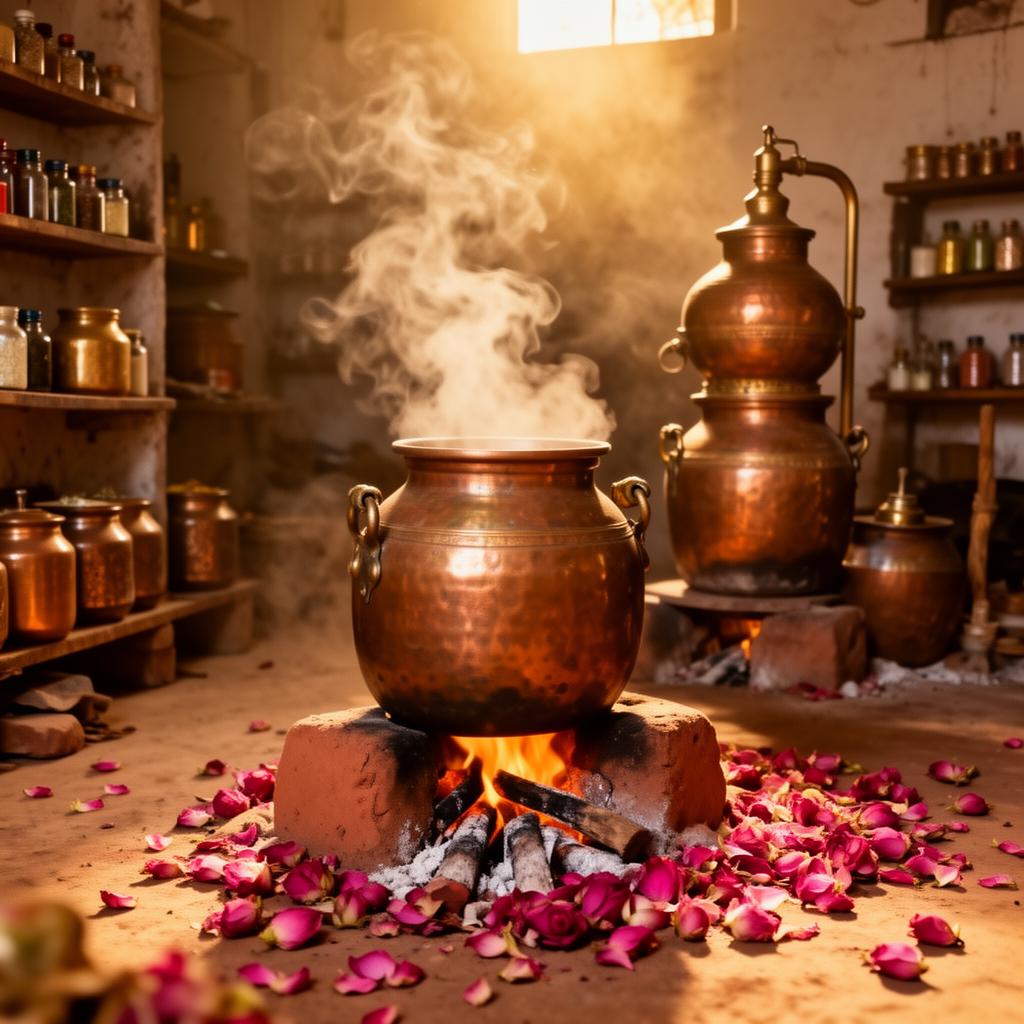
Kannauj: The Tiny UP Town That Quietly Bottles Indian Summer
Kannauj has been distilling attar for over 400 years — and is the only place on earth still making *mitti attar*, the smell of the first monsoon rain. A field-note from India’s perfume capital.
How to Apply Attar So It Actually Lasts: An Indian Climate Guide
Attar is concentrated oil — applied wrong, it disappears in an hour; applied right, it lasts into the next morning. A practical guide for Indian skin and Indian weather.
Oud Attar: A Practical Guide to Wearing It Well
Oud is the most expensive raw material in modern perfumery — and the most misunderstood. A practical guide to oud attar, layering it, and using it in DIY blends.
Build a Perfume Together
Date night, gifting, or a quiet evening alone — every Whiff & When kit is an invitation to make something only you could make.
Shop the Kits