Kannauj: The Tiny UP Town That Quietly Bottles Indian Summer
Kannauj has been distilling attar for over 400 years — and is the only place on earth still making *mitti attar*, the smell of the first monsoon rain. A field-note from India’s perfume capital.
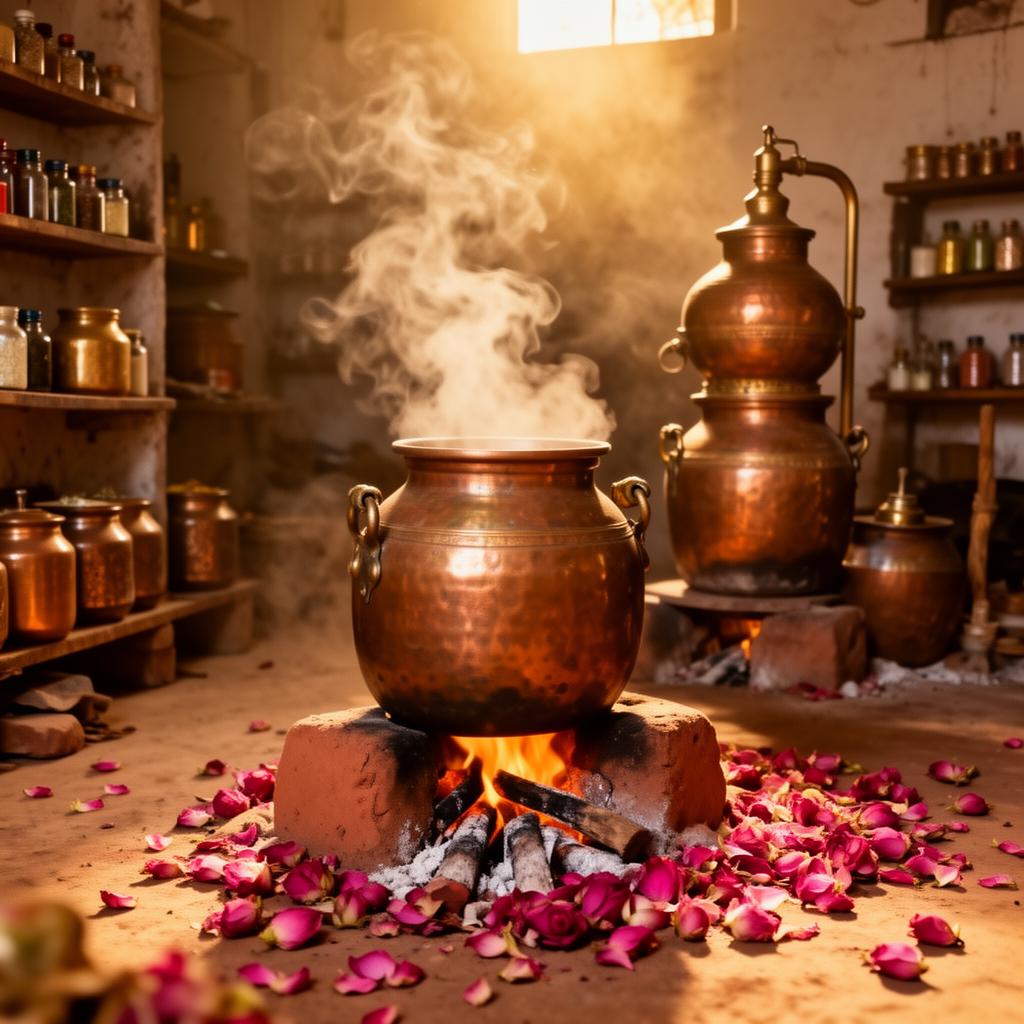
If you have ever wanted to feel like you stepped backwards into the 1600s while still standing on a working national highway, get off at Kannauj. It is roughly 80 km from Kanpur. Small population. Over 200 working attar distilleries, last I counted with our distillery partner there. The whole town smells faintly of rose, khus or damp earth depending on which week of the year you visit.
Kannauj has been making attar since the Mughals. The technique is called deg-bhapka and uses a copper still (the deg), a bamboo pipe and a receiver flask (the bhapka) submerged in cool water. Flowers go in. Steam carries the volatiles out. The oil collects on top of a sandalwood base in the bhapka. Eight to twelve hours per batch. Hand-fired. No electricity in the traditional setups, even now.
The thing they make here that nobody else on earth makes is mitti attar — the smell of the first rain on dry earth. Workers dig up baked clay from the riverbeds, fire it into discs, and distill the discs the same way you would distill rose petals. What you get is petrichor in a bottle. Indians have been bottling monsoon nostalgia for four centuries. Nobody else even thought to try.
Last winter I bought a 5ml vial of mitti attar in the main bazaar for around ₹300. The same volume of pure rose attar (gulab) at the shop next door started at ₹6,000, because it takes thousands of fresh damask roses to produce a single tola. Real attar is not expensive because it is fancy. It is expensive because it is slow.
Why does Kannauj matter to anyone making perfume at home today? Because every modern DIY palette, including ours, borrows from this vocabulary. Kannauj spent fifteen generations working out how sandalwood carries a floral, how saffron dries a sweet accord, how rose behaves in oil. When you dab sandalwood, rose or saffron out of a Whiff & When DIY Kit, you are working inside the same grammar.
Walk down the main bazaar and shopkeepers will hand you cotton stoppers dipped in single-note oils. Smell one, wait, smell another. The trick they teach you on day one: never sniff straight from the bottle. Always on cotton, always with a 30-second pause. Your nose recalibrates faster than you think it can.
Modern Indian perfumery owes almost everything to this town. The new D2C brands, us included, are mostly translators, taking what Kannauj has always known and putting it into a beaker, a notebook, a Sunday-evening ritual on your kitchen table.
Our Creator Kit is the closest thing we make to a Kannauj-inspired palette at home. Expanded oils, room to play, the same patient logic of slow blending. You will not need a copper still. Just a free evening and a willingness to be surprised by your own hand.
"In Kannauj, perfume is not made in a lab. It is coaxed out of flowers by men who learned the temperature of a copper pot from their grandfathers."
Creator Kit ₹2,199
Studio 6 Spectrum palette — Lemon Zest, Jasmine, Pink Pepper, Blackcurrant, Patchouli, Amber.
Every kit includes complimentary access to the AI Perfume Studio — personalised recommendations, step-by-step mixing guidance, and a place to save and refine your blends.
Frequently asked
- Why is Kannauj called India's perfume capital?
- Kannauj has been distilling attar for over 400 years using the deg-bhapka method, with over 200 working distilleries — more concentrated traditional attar craft than anywhere else on earth.
- What is the most famous attar from Kannauj?
- Mitti attar — the smell of the first monsoon rain on dry earth. It is distilled from baked clay discs and is unique to Kannauj.
- Can I buy genuine Kannauj attar online?
- Yes, but check the source. True deg-bhapka attar is small-batch and expensive. If a 'pure rose attar' costs ₹500 for 10ml, it is almost certainly a synthetic CPO, not the real distillation.
Perfumery Researcher
Meher researches traditional Indian attar craft — Kannauj distilleries, mitti attar, oud — and translates it for modern home blenders.
Stories like this, once a month
Quiet musings on scent, memory and the rituals of personal blending.
Continue Reading
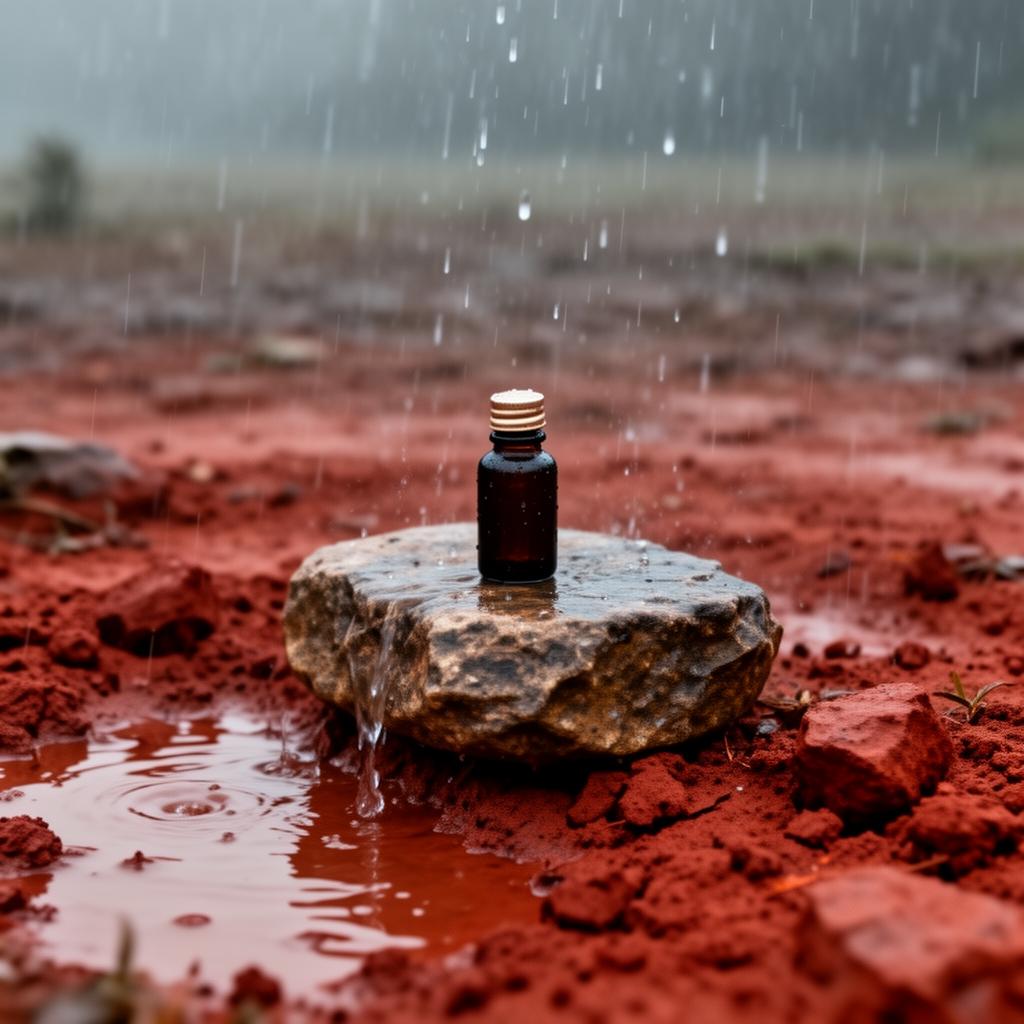
Mitti Attar: How India Bottled the Smell of the First Monsoon
Petrichor — that smell of the first rain on dry earth — has been distilled in Kannauj for 400 years. The science, the nostalgia, and how to recreate it in your own blend.
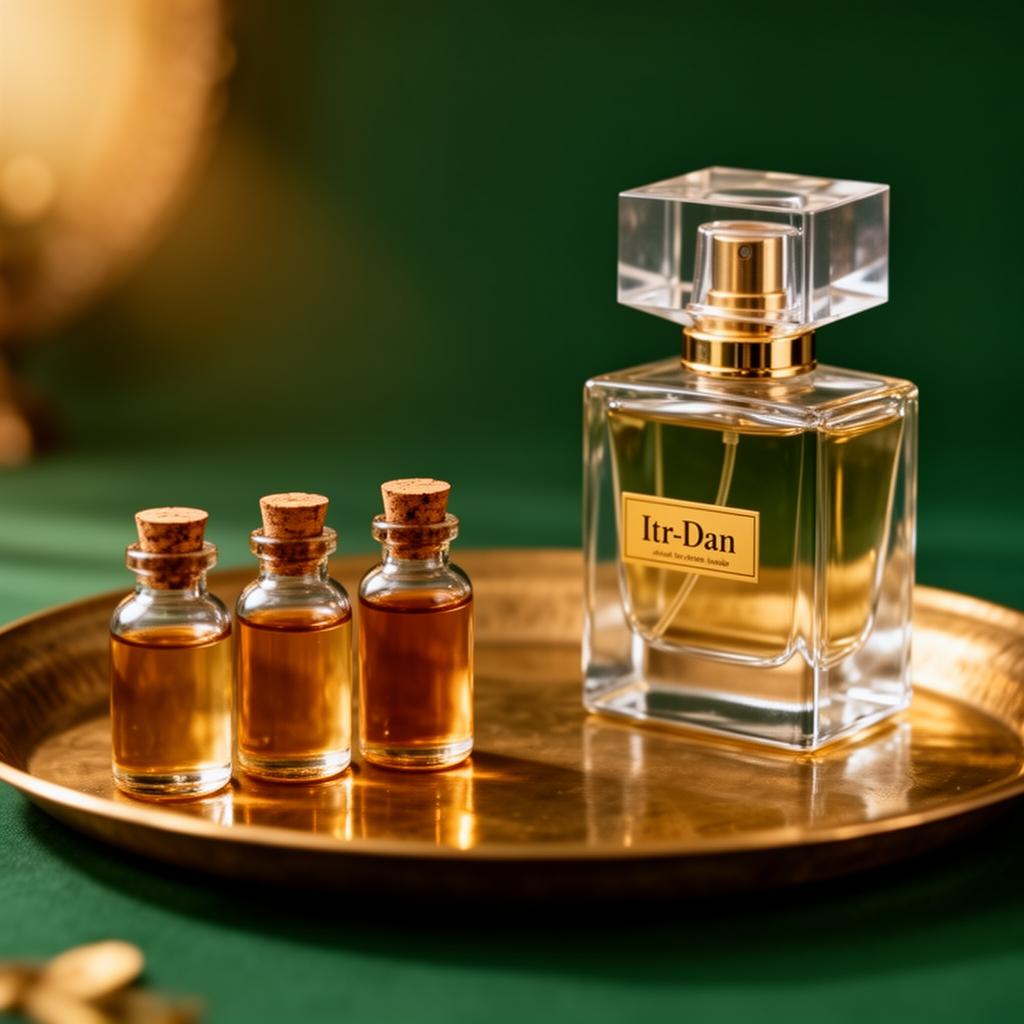
Attar vs Perfume: What Indians Actually Mean When They Say ‘Ittar’
Attar, ittar, eau de parfum, EDT — the words get used interchangeably in India but they are not the same thing. A plain-English guide for anyone choosing a scent (or building one).
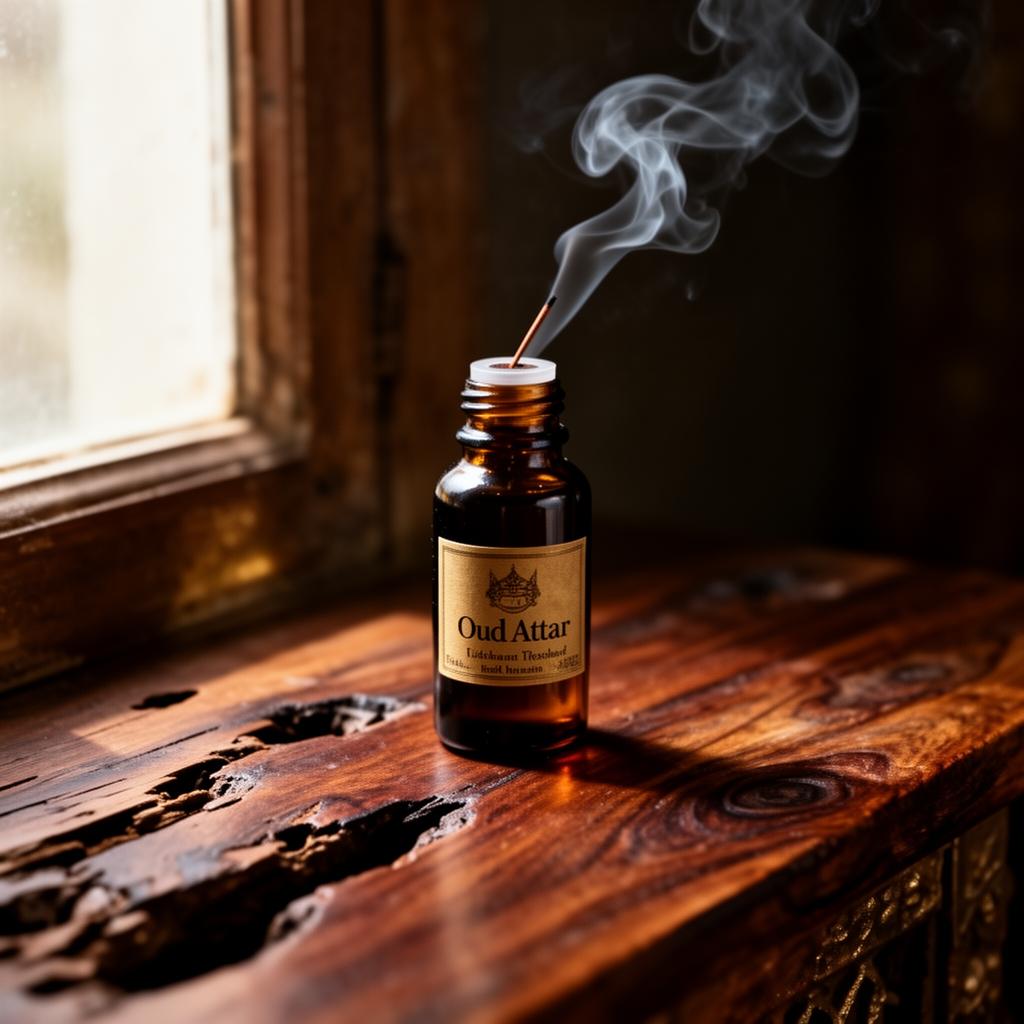
Oud Attar: A Practical Guide to Wearing It Well
Oud is the most expensive raw material in modern perfumery — and the most misunderstood. A practical guide to oud attar, layering it, and using it in DIY blends.
Build a Perfume Together
Date night, gifting, or a quiet evening alone — every Whiff & When kit is an invitation to make something only you could make.
Shop the Kits