Mitti Attar: How India Bottled the Smell of the First Monsoon
Petrichor — that smell of the first rain on dry earth — has been distilled in Kannauj for 400 years. The science, the nostalgia, and how to recreate it in your own blend.
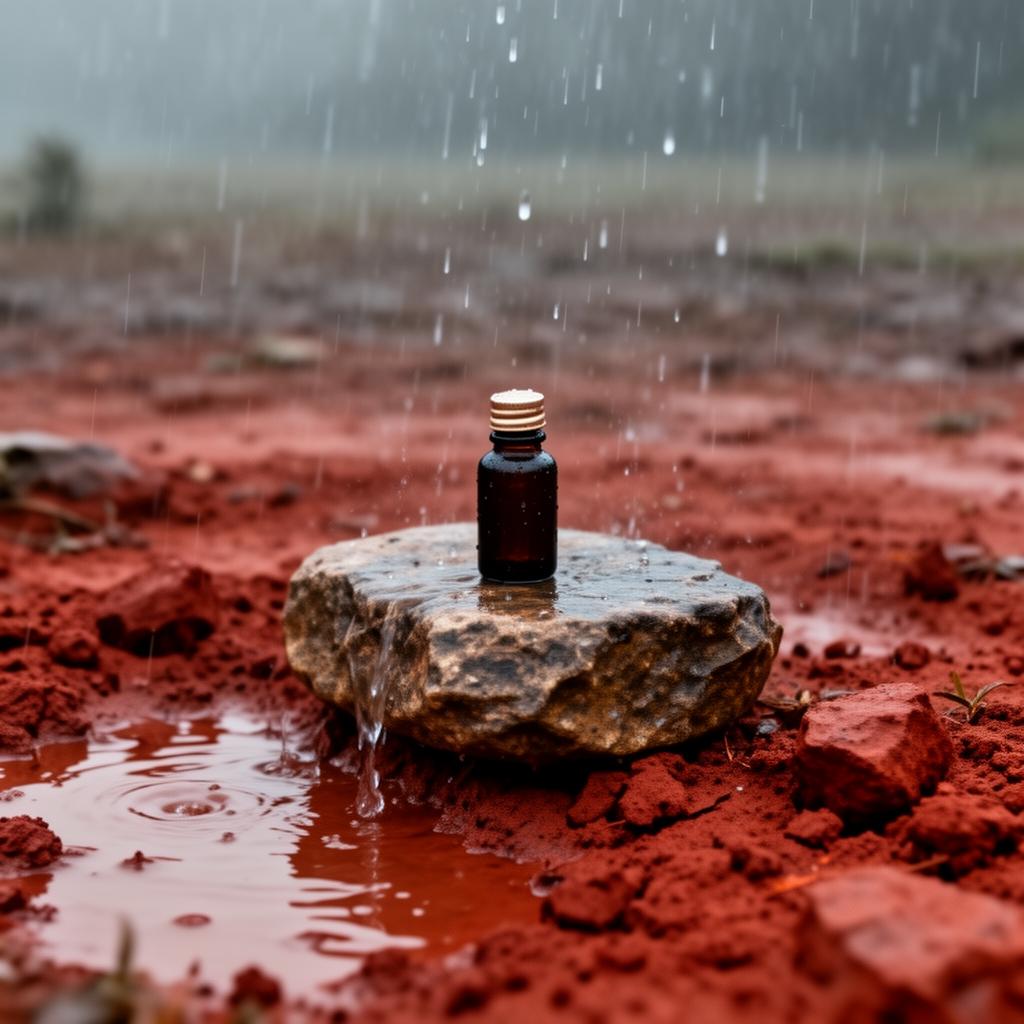
There is a smell every Indian knows in their body before they know it in their head. The first thirty seconds after the season's first rain hits a hot road. Earthy. Sweet. Slightly metallic. Half memory, half mineral. Western chemistry called it petrichor only in 1964. India has had the smell in a bottle since the 1600s.
Mitti attar, literally 'earth attar', is the only perfume in the world distilled from baked clay. Artisans in Kannauj dig clay from the Ganga floodplain, sun-dry it, fire it into rough discs, and distill those discs in a copper deg over a sandalwood-oil base. Eight hours later, petrichor, captured.
The science of it is genuinely poetic. Petrichor in nature is mostly two molecules — geosmin, produced by soil bacteria, and plant oils released from baked earth when it is suddenly hydrated. When Kannauj's distillers fire the clay, they are essentially replicating what the May sun does to a Lucknow rooftop. The rain inside the deg is just steam.
Why does this smell hit Indians so hard? Because for most of us it is tied to relief. End of summer, schools shutting, a grandparent calling out chai ban gayi from the kitchen, the first cool wind through a verandah. Petrichor is not just a smell, it is a national emotional reset button.
If you are building a personal blend at home, mitti is a glorious base note — earthy, calming, slightly mineral. It pairs beautifully with rose (gulab), sandalwood, cardamom, and even citrus tops like bergamot or yuzu. One drop is plenty. It is loud in a quiet way.
The Creator Kit is the palette I'd reach for here. Patchouli does the damp-earth work, Pink Pepper gives you the metallic snap of rain on hot tar, Jasmine softens it and Lemon Zest keeps the top from going heavy — a monsoon-mood scent that lives somewhere between a traditional mitti attar and a modern eau de parfum.
A small ritual worth trying: blend a mitti-forward perfume on the first cloudy evening of the year, label the vial with the date, and wear it for the rest of the monsoon. By next summer, opening the same bottle is genuinely time-travel. Scent is the only sense wired directly into memory, with no detour through language.
Mass-market perfumery will keep launching 'rain-inspired' EDTs that smell like wet aluminium and supermarket cucumber. Real petrichor lives in a 5ml vial in a small UP town, and on your kitchen table the night you decide to bottle it yourself.
"Every Indian knows that smell. We just didn’t know somebody had been bottling it since the 1600s."
Creator Kit ₹2,199
Studio 6 Spectrum palette — Lemon Zest, Jasmine, Pink Pepper, Blackcurrant, Patchouli, Amber.
Every kit includes complimentary access to the AI Perfume Studio — personalised recommendations, step-by-step mixing guidance, and a place to save and refine your blends.
Frequently asked
- What is mitti attar made from?
- Baked clay discs from the Ganga floodplain, fired in a kiln and steam-distilled in a copper deg over a sandalwood-oil base. Eight hours per batch.
- Does mitti attar really smell like rain?
- Yes — it captures petrichor, the geosmin-and-plant-oil smell of first monsoon rain on dry earth. The deg essentially recreates what the May sun does to a hot rooftop.
- How do you wear mitti attar?
- One drop on a warm pulse point, layered with rose, sandalwood, cardamom, or a citrus top. It is a base note — earthy, calming, quietly loud.
Editorial Lead, Whiff & When
Aanya writes about Indian perfumery, scent memory and the slow craft of building a signature fragrance. She has been blending at home for over a decade and leads editorial at Whiff & When.
Stories like this, once a month
Quiet musings on scent, memory and the rituals of personal blending.
Continue Reading
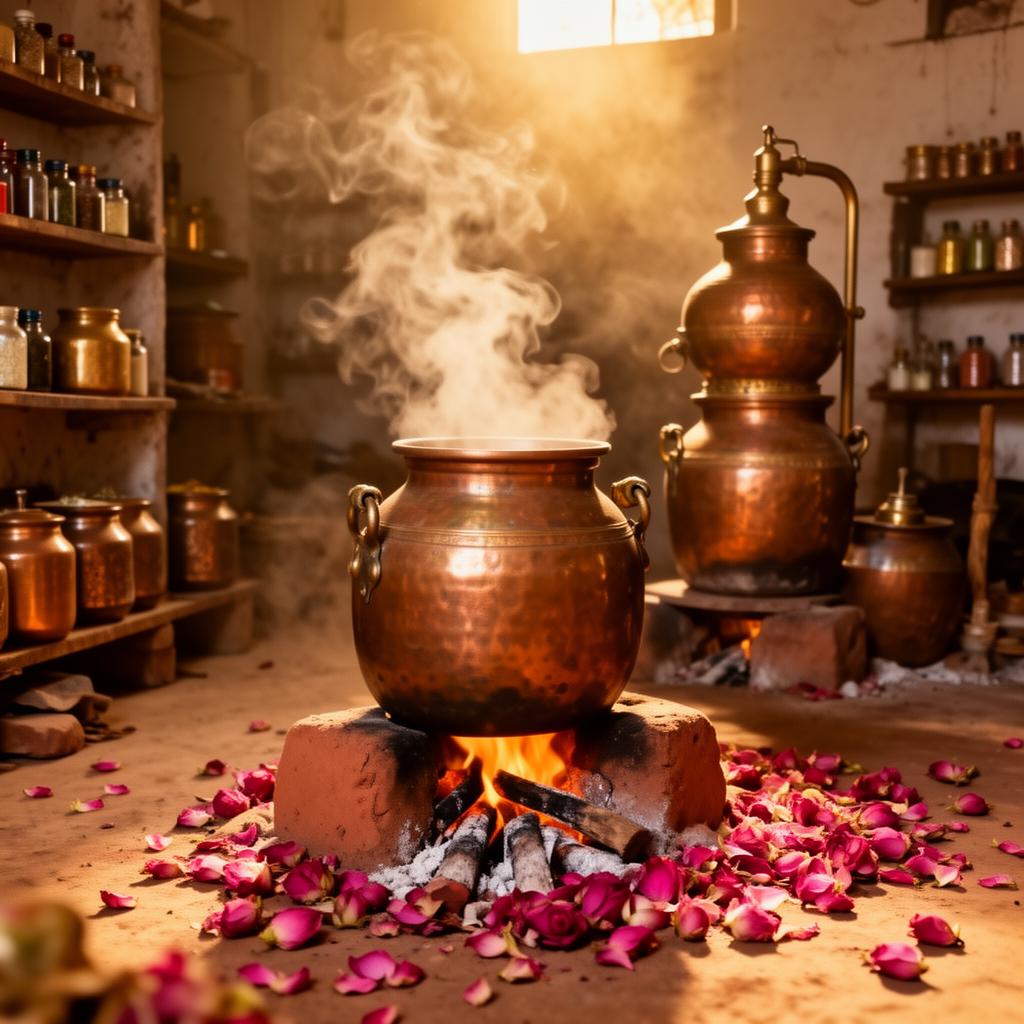
Kannauj: The Tiny UP Town That Quietly Bottles Indian Summer
Kannauj has been distilling attar for over 400 years — and is the only place on earth still making *mitti attar*, the smell of the first monsoon rain. A field-note from India’s perfume capital.
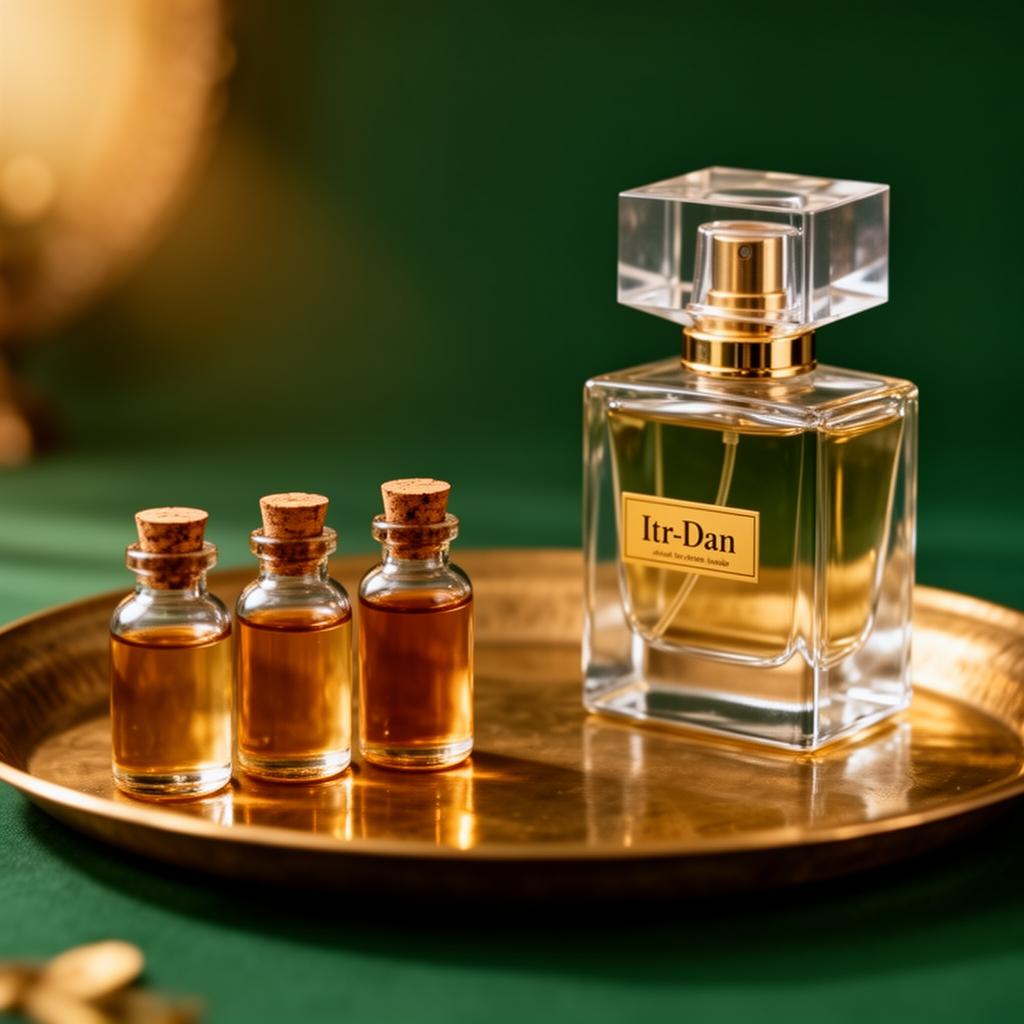
Attar vs Perfume: What Indians Actually Mean When They Say ‘Ittar’
Attar, ittar, eau de parfum, EDT — the words get used interchangeably in India but they are not the same thing. A plain-English guide for anyone choosing a scent (or building one).
The Poetics of Sandalwood: Building an Indian Signature Scent at Home
Mysore sandalwood is the quiet anchor of Indian perfumery — and the easiest base note to start with when you make your own perfume at home with a DIY kit.
Build a Perfume Together
Date night, gifting, or a quiet evening alone — every Whiff & When kit is an invitation to make something only you could make.
Shop the Kits