Oud Attar: A Practical Guide to Wearing It Well
Oud is the most expensive raw material in modern perfumery — and the most misunderstood. A practical guide to oud attar, layering it, and using it in DIY blends.
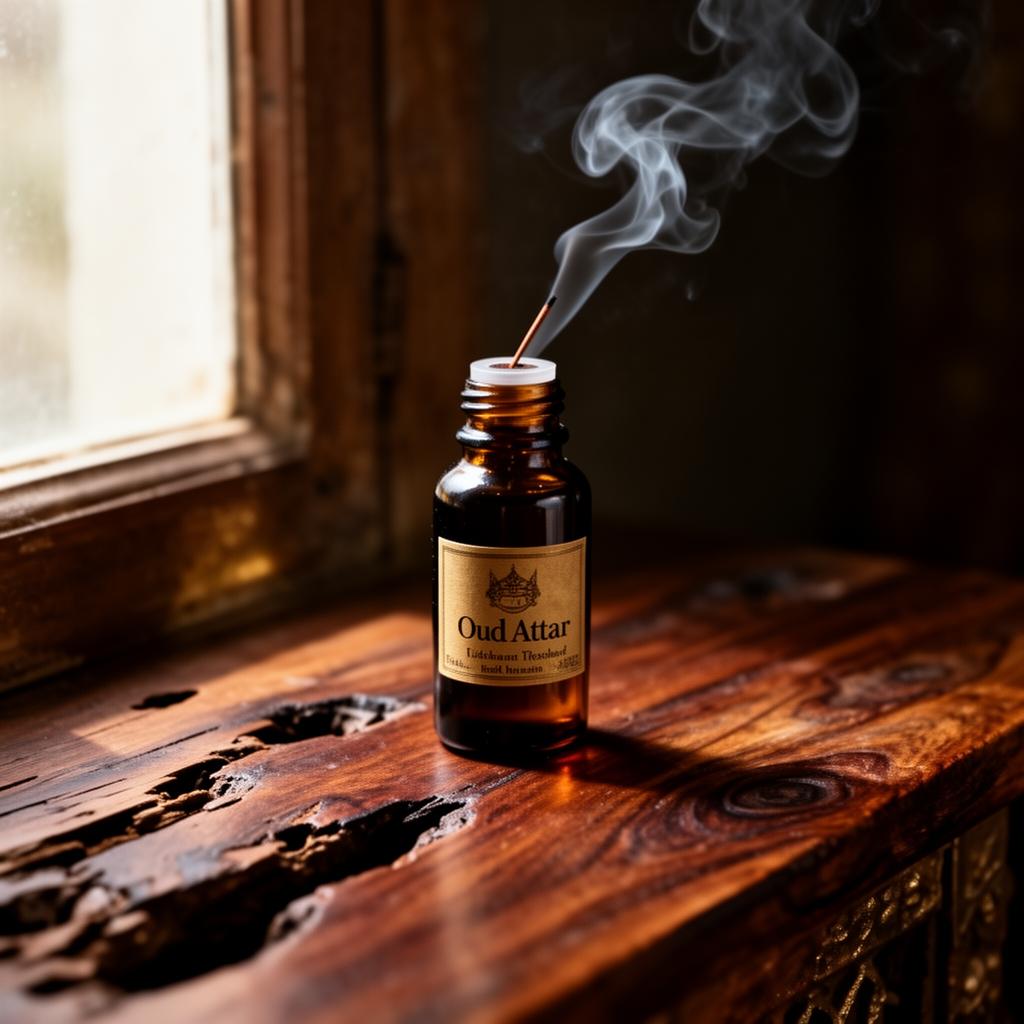
Oud is the single most expensive raw material in mainstream perfumery. Pound for pound, real agarwood oil out-prices silver, gold and most saffron. And almost everything sold as 'oud' in Indian malls is not the real thing. Let us untangle the two.
Oud (or oudh, agarwood, agar) is the resin a wild aquilaria tree produces when it is wounded and infected by a specific mould. The tree fights back with a dark, fragrant resin to seal the wound. Distillers cut the resinous heartwood, soak it for weeks, and steam-distill it. Yield is brutal: a few hundred kilos of wood for a few hundred grams of oil. That is why a 3ml vial of pure Hindi oud attar from Assam can run anywhere from ₹3,000 to ₹15,000 depending on the cut.
Real oud smells strange the first time you encounter it. Barnyard, a little smoky, slightly funky, almost medicinal. That is the resin doing its job. After 15 minutes on warm skin it softens into something warm, woody, faintly sweet, and stays for 12+ hours. Most 'oud' EDPs sold in malls are using synthetic accords — the famous Oud Ispahan-style molecules — that smell cleaner but also flatter, with none of the slow morph.
How to wear it without overdoing it: one drop. Not a spray. Not a swipe of the bottle. Pulse points only. Behind one ear, not both. Oud projects further than you think because your nose adapts to it within minutes; the people around you do not. The classic Indian over-application of oud at weddings is genuinely how scent migraines start.
Layering tricks that work: oud with rose (the Mughals figured this out 500 years ago), oud with saffron, oud with sandalwood (almost foolproof), oud with a citrus top to lift the opening. Skip oud with sweet vanilla unless you specifically want dessert energy. Skip oud with heavy musk — too much weight in the base, the whole thing collapses.
Straight answer, because I'd rather lose a sale than mislead you: none of our DIY perfume kits contain real agarwood. Nobody selling a kit at kit prices can. What you can do is build an oud-adjacent accord and learn how that register behaves before you spend ₹10,000 on an attar bottle.
The Alchemist Kit is the closest thing we make to that territory. Leather for the animalic edge, Woody Amber for the resinous weight, Saffron for the dry medicinal lift that people mistake for oud in most Middle Eastern blends, Sandalwood underneath to hold it together. It is not oud. It smells like the neighbourhood oud lives in, and it teaches you the same lessons about restraint.
Oud is not really a flex. It is a conversation. And like every good conversation in India, it works better when you talk a little less and let the room listen.
"Oud is not a smell you wear. It is a smell that decides whether to wear *you*."
Alchemist Kit ₹2,499
Studio 6 Reserve palette — Sandalwood, Saffron, Orris Root, Woody Amber, Tonka Bean, Leather.
Every kit includes complimentary access to the AI Perfume Studio — personalised recommendations, step-by-step mixing guidance, and a place to save and refine your blends.
Frequently asked
- What is oud attar?
- Oud (or oudh, agarwood) is the dark resinous oil distilled from infected aquilaria heartwood. Real oud attar from Assam runs ₹3,000–₹15,000 for 3ml because yields are tiny — a few hundred grams of oil from hundreds of kilos of wood.
- Why does oud smell so strong at first?
- Real oud opens barnyard, smoky and faintly medicinal — that is the resin doing its job. After 10–15 minutes on warm skin it softens into something warm, woody and slightly sweet that stays for 12+ hours.
- How do you wear oud without overdoing it?
- One drop, never a spray. Single pulse point — behind one ear, not both. Your nose adapts within minutes; the people around you do not. Less is genuinely more with real oud.
Perfumery Researcher
Meher researches traditional Indian attar craft — Kannauj distilleries, mitti attar, oud — and translates it for modern home blenders.
Stories like this, once a month
Quiet musings on scent, memory and the rituals of personal blending.
Continue Reading
Attar vs Perfume: What Indians Actually Mean When They Say ‘Ittar’
Attar, ittar, eau de parfum, EDT — the words get used interchangeably in India but they are not the same thing. A plain-English guide for anyone choosing a scent (or building one).
Kannauj: The Tiny UP Town That Quietly Bottles Indian Summer
Kannauj has been distilling attar for over 400 years — and is the only place on earth still making *mitti attar*, the smell of the first monsoon rain. A field-note from India’s perfume capital.
How to Apply Attar So It Actually Lasts: An Indian Climate Guide
Attar is concentrated oil — applied wrong, it disappears in an hour; applied right, it lasts into the next morning. A practical guide for Indian skin and Indian weather.
Build a Perfume Together
Date night, gifting, or a quiet evening alone — every Whiff & When kit is an invitation to make something only you could make.
Shop the Kits