Parfum vs EDP vs EDT vs Cologne: A Simple Concentration Guide
Parfum is 20–30% aromatic oil, EDP is 15–20%, EDT is 5–15%, and Eau de Cologne is 2–5%. Higher concentration means longer wear and closer sillage — not always 'better'. Here's when each one is actually the right choice.
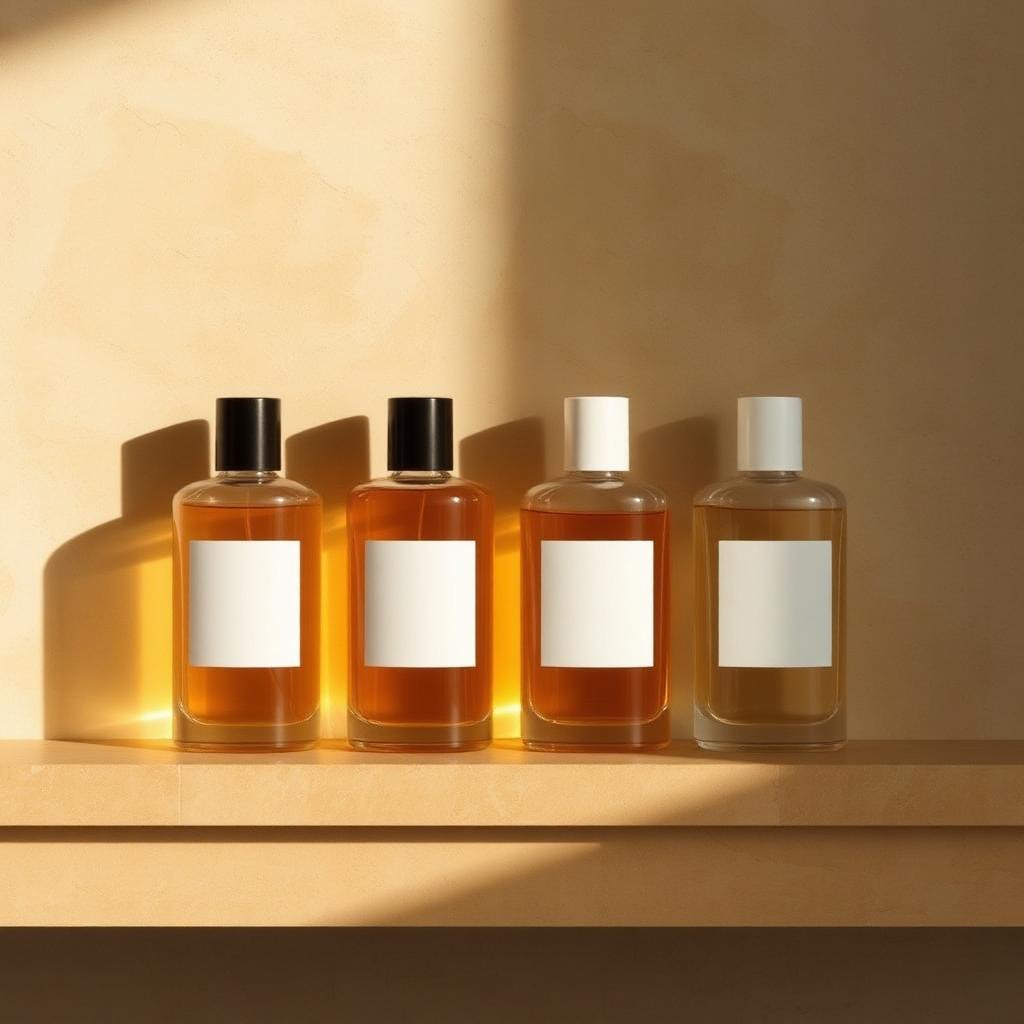
The short answer: Parfum (also called Extrait) is 20–30% aromatic oil, Eau de Parfum (EDP) is 15–20%, Eau de Toilette (EDT) is 5–15%, and Eau de Cologne (EDC) is 2–5%. Higher concentration means the fragrance lasts longer and stays closer to the skin. Lower concentration means it sprays lighter, projects wider, and needs reapplication. Both are valid — it depends entirely on how and when you want to wear it.
What the numbers on the box actually measure
The percentage refers to the aromatic compound dissolved in the alcohol — the perfume oil itself, before any water or fixatives. An EDP at 18% is 18% fragrance concentrate and about 82% ethanol and water.
Two things worth knowing here. First, these bands are conventions, not regulations. A house can legally label a 12% juice as an EDP and some do. Second, the concentrate itself varies enormously in cost and quality — 18% of a cheap synthetic accord is not the same object as 18% of a composition with real sandalwood in it.
So the label tells you roughly how the perfume will behave. It tells you nothing at all about how good it is.
Parfum: the closest and the longest
Parfum is the densest form. Two dabs on the wrist last twelve to twenty-four hours, sometimes longer. It does not project across a room; it lives on your skin for a partner or a close colleague to notice. Best worn at night, on quieter occasions, when you want a fragrance that behaves like jewellery.
One dab, two at most. Extrait is usually sold with a dab applicator rather than an atomiser precisely because spraying it is the wrong gesture — you would use four times what the perfumer intended.
It is also the most expensive per bottle and often the cheapest per wear, since a 15ml extrait can outlast a 100ml EDT in actual number of days worn.
EDP: the one bottle most people should own
EDP is what most modern niche perfumery ships. Six to nine hours of wear, moderate projection for the first two hours, and then a warm skin-scent for the rest of the day. If you are buying one bottle a year and want it to work at the office and on a date, EDP is the safest bet.
Two sprays for a workday, three or four for an evening outdoors. That is genuinely it. Air-conditioned rooms hold fragrance for hours longer than open air, so the two-spray habit that feels modest on your terrace can be conspicuous by hour three at a desk in a closed cabin.
A 50ml EDP at three sprays a wear gives roughly 130 wears. At ₹6,500 that is about ₹50 a day, which is a more useful way to think about perfume pricing than the number on the shelf.
EDT: the Indian summer workhorse
EDT sprays lighter, evaporates faster, and is often built around brighter top and heart notes — citrus, cologne accords, green florals. In Indian summers, EDT actually often outperforms EDP because it doesn't turn cloying in 38°C heat. Reapply once around 3 PM.
The reasoning is simple. Heat accelerates evaporation and amplifies sweetness, so a dense EDP that reads as elegant in a Delhi January can read as syrupy in the same city in May. A lighter juice sprayed twice a day gives you a fresher result than a heavy one sprayed once.
Keep a 30ml EDT in your bag from March to June and you have solved most summer fragrance problems. There is more on surviving the heat in our guide to making perfume last in Indian summer.
Cologne, and what the word has come to mean
Eau de Cologne is the lightest classical concentration. Two to four hours of wear, very airy, historically citrus-forward. Cologne originally referred to a specific formula from Cologne, Germany — bergamot, neroli, rosemary. In modern usage the word has drifted to mean 'men's perfume', which is not what the concentration actually means.
You will also meet Eau Fraîche at 1–3%, which is essentially a scented refresher, and body mists at similar strengths. Nothing wrong with them; just do not expect them to last past lunch.
Where attar and perfume oils sit on this scale
Attar is closer in structure to Parfum — 100% oil, applied in tiny amounts, extremely long wear. Perfume oils and Extrait de Parfum from niche houses can hit 30–40% concentration. These are not 'stronger' in a bad way; they are just designed to be worn differently.
The difference from extrait is the carrier. An attar has no alcohol at all, so there is no evaporating solvent to lift the scent into the air. That is why a 100% oil can smell quieter in a room than a 20% spray while lasting three times as long on skin. Attar vs perfume unpacks the comparison properly.
In Indian heat this matters more than the percentages suggest. Less alcohol means less to flash off at 42°C, which is the real reason attar has outlived several generations of imported EDTs in this country.
Choosing by season and setting
March to June: EDT, two applications a day. Monsoon: EDP works well, since humid air carries scent and you can use less. Winter and wedding season: EDP or Parfum, and this is when the dense amber-oud material finally makes sense. AC office year-round: EDP at two sprays, or an attar dab if your workplace is close-quartered.
The mistake most first-time buyers make is assuming that higher concentration equals better perfume. It does not. A well-built EDT can outperform a poorly built Parfum every time. Concentration is not quality. It is intent. What is the perfume being asked to do?
Feel the difference yourself
Reading about concentration is close to useless. Wearing it is not.
Dilute one of your own blends at three different concentrations from the same Signature Kit — one at 20%, one at 15%, one at 8% — and wear each on a different day. Same oils, same skin, three different perfumes. You will learn more about concentration in a week than in a year of reading about it.
If you want the arithmetic behind those dilutions before you start, how to make perfume at home has the drop counts worked out.
"Concentration is not quality. It is intent."
Signature Kit ₹3,499
Studio 9 Spectrum palette — nine notes, our widest range from citrus tops to deep woods.
Every kit includes complimentary access to the AI Perfume Studio — personalised recommendations, step-by-step mixing guidance, and a place to save and refine your blends.
Frequently asked
- What lasts longer, EDP or EDT?
- EDP. Eau de Parfum carries 15–20% aromatic oils and typically holds for six to nine hours on skin, while EDT sits at 5–15% and usually fades in three to five. EDT compensates by projecting more freely in the first hour.
- Is Parfum stronger than EDP?
- Yes, in concentration. Parfum or Extrait de Parfum runs 20–30% aromatic oils and lasts the longest, but it projects less than an EDP and sits close to the skin. It is designed to be dabbed in tiny amounts rather than sprayed.
- How many sprays of EDP should I use?
- Two for a normal working day and three or four for an outdoor evening. Air-conditioned rooms retain fragrance far longer than open air, so the amount that feels moderate outdoors can become obvious to everyone around you by the third hour indoors.
- What is the difference between perfume and cologne?
- By concentration, Eau de Cologne is the lightest category at 2–5% aromatic oils, lasting two to four hours. In everyday speech 'cologne' has drifted to mean men's fragrance generally, but that is a marketing habit rather than a technical definition.
- Which concentration is best for summer in India?
- EDT, reapplied once in the afternoon. It sprays lighter and avoids the cloying effect that heat produces in denser compositions. Save EDP and Parfum for winter, evenings and air-conditioned settings where they behave the way the perfumer intended.
- Does higher concentration mean better quality perfume?
- No. The percentage describes how much aromatic concentrate is in the bottle, not how good that concentrate is. A well-composed EDT with real raw materials will outperform a poorly built extrait, and often costs considerably less.
- What concentration is attar?
- Attar is essentially 100% oil with no alcohol, which puts it beyond extrait on the scale. It lasts far longer on skin than any spray, but projects much less, because there is no evaporating alcohol to carry it into the air.
Fragrance Editor
Riya writes the wardrobe, dating and lifestyle side of the journal — the everyday rituals of wearing scent in India.
Stories like this, once a month
Quiet musings on scent, memory and the rituals of personal blending.
Continue Reading
Top Notes, Heart Notes, Base Notes: What They Are and Why They Matter
Top notes are the first 15–30 minutes of a perfume, heart notes are the two-to-four-hour body, and base notes are everything that lingers overnight. That three-act structure is why a fragrance smells different at 9 AM and 9 PM.
How to Choose a Perfume: A Step-by-Step Guide That Actually Works
To choose a perfume, identify the fragrance family you're drawn to, test at least three options on skin (not paper), wear each one for a full day before deciding, and buy the one you're still thinking about at bedtime. Here's the full method.
How to Make Perfume Last in Indian Summer
40°C heat, AC offices, two-wheeler commutes and the smell of one’s own sweat by 11 AM. A practical handbook for keeping fragrance alive in actual Indian weather.
Build a Perfume Together
Date night, gifting, or a quiet evening alone — every Whiff & When kit is an invitation to make something only you could make.
Shop the Kits