Top Notes, Heart Notes, Base Notes: What They Are and Why They Matter
Top notes are the first 15–30 minutes of a perfume, heart notes are the two-to-four-hour body, and base notes are everything that lingers overnight. That three-act structure is why a fragrance smells different at 9 AM and 9 PM.
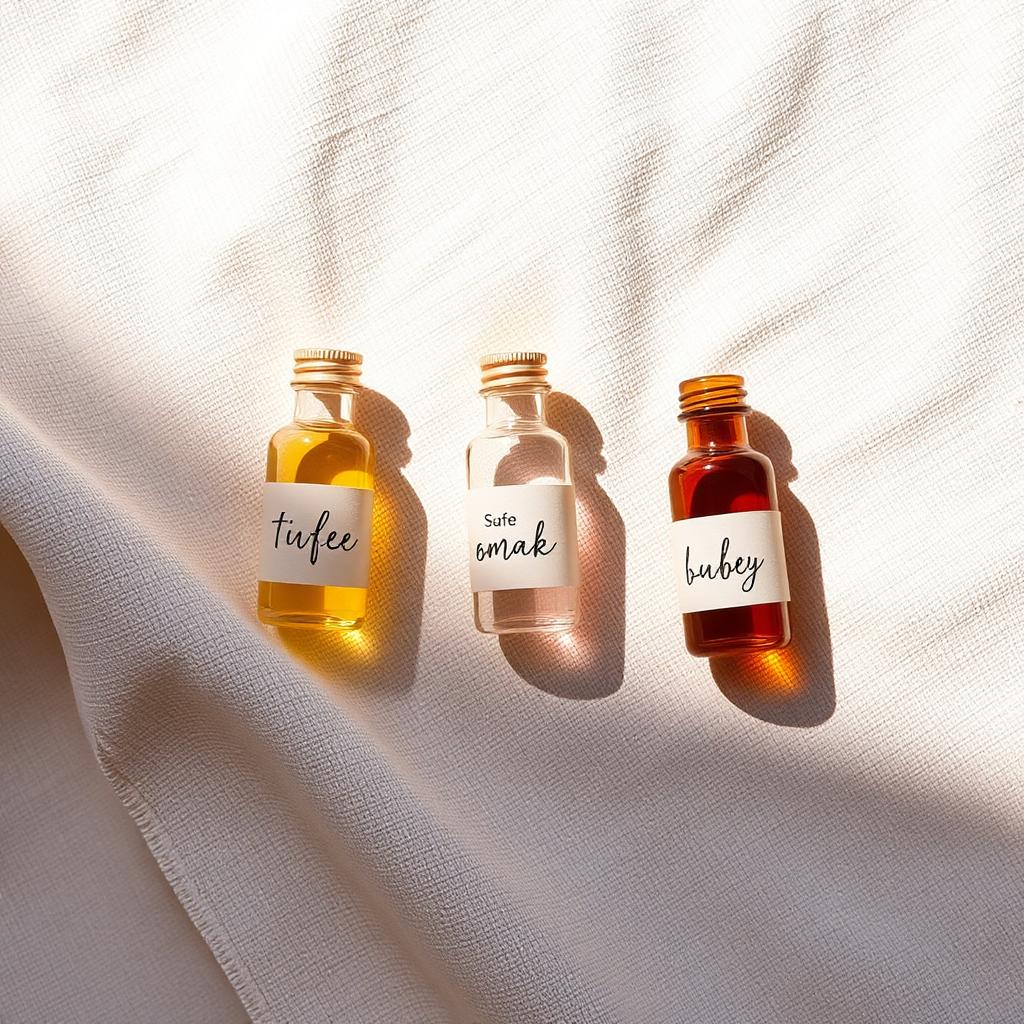
Top notes are the first 15–30 minutes of a perfume — the bright citrus, herbs and light florals you smell the second you spray. Heart notes are the two-to-four-hour body of the fragrance — florals, spices and stone fruit. Base notes are everything that lingers into the next morning — woods, resins, musks and vanilla. That three-part structure is called the fragrance pyramid, and it is why the same perfume smells different at 9 AM and 9 PM.
Why the layers arrive in that order
It is molecular weight, nothing more mysterious than that. Light molecules evaporate quickly, so they reach your nose first and leave first. Heavy ones cling to skin for hours. Perfumers describe this as volatility, and every note has a rough evaporation rate you can look up.
Which means the pyramid is not a design decision so much as physics you have to work with. You cannot make bergamot last eight hours. You can only put enough behind it that something good is waiting when it goes.
Warm skin speeds all of this up. In a 40°C Chennai afternoon, top notes can be gone in eight minutes rather than twenty-five, and the heart arrives early and loud. In an air-conditioned office at 22°C the same perfume unfolds at the pace the perfumer intended.
What top notes actually do
Bergamot, lemon, neroli, mandarin, pink pepper, lavender, mint. Small enough to evaporate fast, which is why they hit your nose first and leave first. They are the trailer, not the film.
Do not fall in love with a perfume based on its top notes alone. Almost everyone who returns a bottle bought it for a top that had disappeared by the time they got home. The counter smells wonderful and the car park is where the disappointment happens.
In a blend, tops are also doing a structural job: they cover the raw alcohol edge of a fresh mix and they give the fragrance a sense of opening rather than simply being present. A perfume with no top notes feels like a film that starts in the second act.
Heart notes are the actual perfume
This is where 60–70% of what you'll smell over the day lives. Rose, jasmine, tuberose, cardamom, cinnamon, saffron, tea, fig. The heart is where a fragrance either becomes a person you remember or turns into background wallpaper. If a blend feels 'flat' in the middle, it usually has thin heart notes.
The heart is also where Indian perfumery does its most distinctive work. Mogra, kewda, saffron and cardamom sit exactly in this two-to-four-hour window, and a rose-saffron heart is a completely different experience from the rose-peony hearts most European florals are built on.
A useful diagnostic: spray your perfume in the morning and check it at hour two. Whatever you smell then is the fragrance's actual character, the thing people will associate with you. If nothing much is happening at hour two, the heart is the problem, not the base.
Base notes are the memory
Sandalwood, oud, vetiver, patchouli, amber, vanilla absolute, benzoin, white musks. These are large, heavy molecules that stay on skin for eight to twenty-four hours. They are also what makes a perfume feel expensive. A well-built base is why a friend can still smell your perfume on your scarf a week later.
Bases do a second job that goes unnoticed: they fix the layers above them. Resins and woods physically slow the evaporation of lighter molecules sitting on top, which is why the same rose lasts longer over sandalwood than over nothing. Perfumers call these materials fixatives, and in Indian conditions they matter more than anywhere else — heat strips a fragrance fast, and a serious base is your only defence.
The pyramid is a guide, not a law
Some modern perfumes deliberately flatten it — a linear fragrance stays roughly the same from spray to dry-down, which sounds like a flaw and is often a virtue for office wear, since you know exactly what you are broadcasting all day.
Some Indian attars, especially oud-heavy ones, essentially skip top notes and open straight into a heart-and-base structure that hums close to the skin. That is not an omission. An attar has no alcohol to carry a bright opening, so it starts where a spray perfume arrives at hour two. Both are valid.
How to use the pyramid when you blend
For anyone blending at home, the practical starting ratio is roughly 30% top, 50% heart, 20% base. Adjust from there. If you want a perfume that lasts longer at the office, push base to 25–30%. If you want something bright for a lunch meeting, keep base around 15% and lean into top and heart.
In drops, for a 30ml bottle at 20% concentration: 120 drops of oil total, so about 36 top, 60 heart, 24 base. Build base first into the empty beaker, then heart, then top, swirling between each. Write every number down.
The trap nobody warns beginners about is that heavy materials are also loud. Ten drops of vetiver or patchouli will bulldoze sixty drops of rose. When you are counting out your base, make only a third of it the aggressive stuff and let sandalwood or a soft musk carry the rest.
And judge a blend at 21 days, not day two. Fresh mixes read as three separate layers standing apart; maceration is what makes them behave as one fragrance with three acts.
The Alchemist Kit is deliberately organised around this pyramid — the oils inside are pre-sorted by top, heart and base, so you can feel each layer arrive and leave on your skin. That, more than any textbook, is how the structure finally clicks.
A perfume that has no base is a perfume that has no ending. Learn to build the base first, and everything above it will make sense.
"A perfume that has no base is a perfume that has no ending."
Alchemist Kit ₹2,499
Studio 6 Reserve palette — Sandalwood, Saffron, Orris Root, Woody Amber, Tonka Bean, Leather.
Every kit includes complimentary access to the AI Perfume Studio — personalised recommendations, step-by-step mixing guidance, and a place to save and refine your blends.
How to do it, step by step
- Smell each layer on its own firstPut one oil on a blotter strip and follow it for an hour before mixing anything. You cannot balance a pyramid until you know how fast each material in front of you disappears.
- Sort your oils into three groupsSplit whatever palette you have into tops (citrus, mint, pink pepper), hearts (rose, jasmine, spice, tea) and bases (sandalwood, amber, tonka, woods). If nothing is labelled, evaporation time on a test strip tells you.
- Set your ratio before you startBegin at roughly 30% top, 50% heart, 20% base. Push base to 25–30% for long office wear, or drop it to 15% for a bright daytime fragrance. Decide the numbers first, not halfway through.
- Build base upward, counting dropsAdd base oils into the empty beaker first, then heart, then top, swirling gently after each addition. For a 30ml bottle at 20% concentration, that is about 24 base, 60 heart and 36 top drops out of 120.
- Hold back the loud materialsVetiver, patchouli and oud overpower everything around them. Let them be no more than a third of your base and give the rest to sandalwood or a soft musk, or the heart you spent effort on will disappear.
- Rest it, then judge at three weeksCap the bottle and leave it in a dark cupboard for two to four weeks. A fresh blend reads as three separate layers; after maceration it reads as one fragrance moving through three acts.
Frequently asked
- How long do top notes last?
- Roughly 15 to 30 minutes on skin, and less than ten in peak Indian summer heat. They are small, volatile molecules — citrus, light herbs, pink pepper — that evaporate quickly and give a perfume its opening impression before handing over to the heart.
- What are heart notes in a perfume?
- Heart notes, also called middle notes, are the two-to-four-hour body of a fragrance — usually florals, spices and softer fruits. They carry 60–70% of what you actually smell across a day, and they are what people associate with you.
- How long do base notes last?
- Six to twenty-four hours on skin and considerably longer on fabric. Sandalwood, oud, vetiver, amber, musk and vanilla are the common ones, and they also slow the evaporation of everything layered above them.
- What is the fragrance pyramid?
- A diagram of a perfume's three-part structure — top notes at the tip, heart in the middle, base at the bottom — showing the order in which each layer becomes prominent. It reflects molecular weight: lighter materials evaporate and leave first.
- What ratio of top, heart and base notes should I use?
- Start at about 30% top, 50% heart and 20% base by drop count. Raise the base to 25–30% if you want longer wear in heat or air conditioning, and lower it toward 15% for a brighter daytime fragrance.
- Why does my perfume smell different after an hour?
- Because the top notes have evaporated and you are now smelling the heart. This is normal and intended. Judge any perfume at hour two rather than at first spray, since that is the version you will actually be wearing all day.
Perfumery Researcher
Meher researches traditional Indian attar craft — Kannauj distilleries, mitti attar, oud — and translates it for modern home blenders.
Stories like this, once a month
Quiet musings on scent, memory and the rituals of personal blending.
Continue Reading
Anatomy of a Perfume Note: Top, Heart and Base, Explained
A working guide to the three-act structure of every fragrance — and how to use top, heart and base notes when you blend your own perfume with a DIY kit.
How Perfume Is Made: From Raw Botanical to Bottle, Explained
Perfume is made in four broad stages — sourcing raw materials, extracting their aromatic oils, blending those oils into a formula around top, heart and base notes, then diluting and maturing the blend in alcohol or oil. Here's what actually happens at each stage.
Parfum vs EDP vs EDT vs Cologne: A Simple Concentration Guide
Parfum is 20–30% aromatic oil, EDP is 15–20%, EDT is 5–15%, and Eau de Cologne is 2–5%. Higher concentration means longer wear and closer sillage — not always 'better'. Here's when each one is actually the right choice.
Build a Perfume Together
Date night, gifting, or a quiet evening alone — every Whiff & When kit is an invitation to make something only you could make.
Shop the Kits