How to Make Perfume at Home: A Beginner's Guide for India
A practical, no-nonsense walkthrough for making your first bottle of perfume at home in India — with the ingredients, ratios and small mistakes that actually matter.
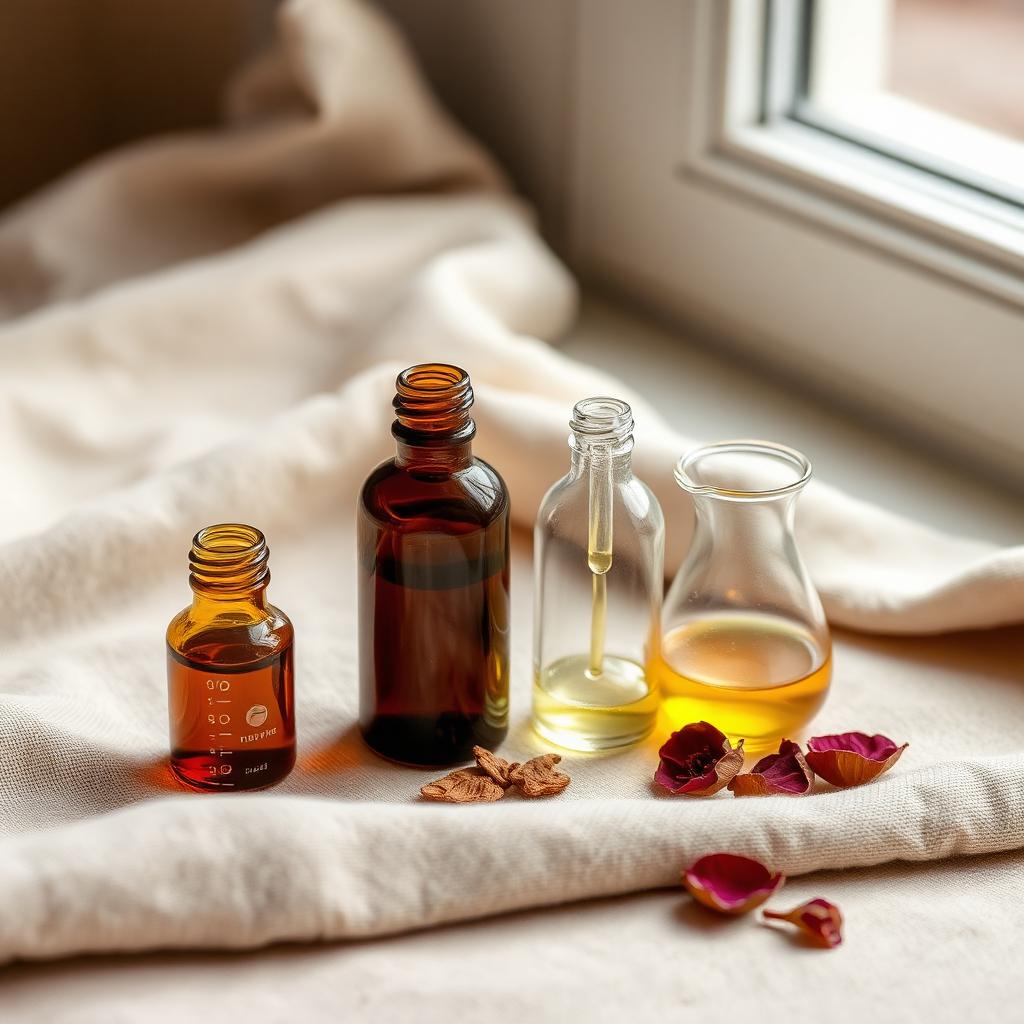
To make perfume at home in India, you need three things: a base of perfumer's alcohol (or fractionated coconut oil for an attar-style blend), a set of essential or fragrance oils, and a small glass beaker. The classic ratio is 20% oils to 80% base for an eau de parfum. Blend it, rest it in a dark cupboard for two to four weeks, and you have a wearable perfume.
That is the entire answer. Everything below is the texture — what to buy, what to skip, and the small mistakes I watched a hundred first-timers make in blending workshops across Bangalore and Pune.
What you need on the table before you start
Six oils. A 30ml amber glass bottle. A 50ml glass beaker. One 1ml glass dropper per oil, because sharing droppers is how you contaminate a rose with vetiver and never figure out why. Perfumer's alcohol — in India this is usually sold as denatured ethanol at 95–96%, and no, sanitiser will not work; it has glycerine and a smell of its own. A pack of blotter strips, though folded chart paper does the job. A notebook.
Budget for it honestly. Six decent oils from a real Indian supplier land somewhere between ₹1,800 and ₹4,000 depending on whether you buy jasmine absolute or a jasmine-type reconstruction. Alcohol is about ₹400 for 500ml. Glassware, another ₹500. So a genuine first setup is ₹3,000–5,000, and it makes a lot more than one bottle.
You do not need a hot plate, a still, a pipette stand, or a scale to 0.001g. People buy those in month four, not week one.
Pick six oils, not a recipe
The instinct is to Google “jasmine perfume recipe” and follow it exactly. That almost never works, because the jasmine oil you can buy in India from a good supplier smells nothing like the jasmine oil the blogger in France was using. Instead, pick six oils that cover the whole arc: two bright tops, two florals or hearts, and two things with weight. Something like bergamot and grapefruit up top, rose and orange blossom in the middle, lavender to bridge, cedarwood underneath everything.
Six is not an arbitrary number. Below four you cannot build a top-heart-base structure at all. Above eight, a beginner cannot tell which oil caused which problem, and every fix becomes guesswork.
That is exactly the palette the Beginner Kit ships with — Bergamot, Grapefruit, Lavender, Rose, Cedarwood, Orange Blossom — and it is not a coincidence. It is the smallest set of oils that can produce a wearable Indian perfume without frustration, and the AI Perfume Studio access bundled with it will walk you through the first ratios if you'd rather not blend blind.
Top, heart, base — the two minutes of theory you actually need
Top notes are what you smell in the first five minutes: citrus, mint, pink pepper. Heart notes are the main personality and run roughly two to four hours — rose, jasmine, spice. Base notes are what remains at hour six: sandalwood, vetiver, vanilla, musk. A wearable blend usually has roughly 20% top, 50% heart, 30% base. Skip the base and your perfume evaporates in an hour. Skip the top and it feels heavy from the first second.
If you want the longer version of this, we wrote one: top notes, heart notes and base notes explained. For now, that ratio is enough to get a bottle made.
Do the math once, honestly
For a 30ml bottle at 20% concentration, you need 6ml of oils and 24ml of base. Six ml of oils is roughly 120 drops from a standard 1ml dropper. Split those 120 drops across your top-heart-base ratio and you have your recipe: about 24 drops of top, 60 of heart, 36 of base.
Write it down. The single biggest reason home blends fail is that people do not write down what they mixed. You will make something good in week two and be unable to reproduce it in week five, and that is a genuinely miserable feeling.
One thing the recipes never mention: not all oils are equally loud. Vetiver, patchouli and oud are bullies. Ten drops of vetiver will flatten sixty drops of rose without breaking a sweat. When you are counting to 36 base drops, make maybe eight of them vetiver and let sandalwood carry the rest.
The order you add them in
Base first, into the empty beaker. Then heart. Then top. Swirl — do not shake — after each addition. Adding base last means you are trying to fold a heavy oil into a light mixture and it streaks; you can see it happening in the glass. Then add alcohol slowly down the side of the beaker, not in one pour.
Your blend will smell terrible on day two. Do not throw it out
After you blend, the perfume smells harsh for the first 48 to 72 hours. Sharp alcohol edge, notes standing apart from each other like strangers at a wedding. Every first-time blender panics here and every one of them wants to fix it immediately.
Do not touch it. Cap it, put it in a dark cupboard at room temperature, and leave it for two to four weeks. The oils marry, the alcohol softens, and by week three the same blend that smelled like a chemistry accident smells like a perfume. Four to six weeks is better still for anything with oud, patchouli or a lot of resin.
One caution for Indian homes: a cupboard on an outside wall in May can sit at 38°C all afternoon. That is too warm. An interior shelf, or the bottom of a wardrobe, is fine. The fridge is not necessary and the door shelf is the worst of both worlds.
Making it without alcohol, attar-style
If you would rather skip the alcohol route — for religious reasons, or because you prefer the feel of an oil-based perfume — use fractionated coconut oil or jojoba as your base and increase the oil concentration to about 25%. The result is closer to a traditional Indian attar and lasts longer on the skin, though it does not project as far.
The practical differences are real. An oil blend needs no maceration period worth speaking of; three or four days and it is ready. It will not stain silk the way people fear, but it will mark a light cotton kurta if you are heavy-handed. And it behaves beautifully in humidity, which is why attar has survived four centuries in this country while imported EDTs quietly vanish by lunchtime in Chennai.
What to buy, and what to walk past
Buy good essential oils from a reputable Indian supplier. Do not use the ₹80 “fragrance oils” from craft stores; those are cheap synthetics that will give you a headache and smell like a car freshener. If a supplier will not tell you the botanical name and origin of an oil, do not buy it.
Two more red flags worth knowing. Any bottle labelled pure sandalwood oil at ₹200 for 10ml is not sandalwood — real Mysore santalum sells in grams, not millilitres, and most honest suppliers sell a sandalwood blend and say so. And any oil sold in a clear plastic bottle has already started degrading; citrus especially.
The Beginner Kit exists partly to skip this vetting step — every oil in it is already the version we would tell you to buy anyway.
Test on paper before skin
Dip a scent strip into the finished blend and smell it over 30 minutes, in a room without cooking smells or agarbatti. If it goes flat by minute fifteen, add more base. If it feels aggressive, add a soft floral. Smell your own forearm between strips to reset your nose; coffee beans are a myth that refuses to die.
Only after paper tests move to a small dab on your wrist, and give it six hours before you decide anything. Skin changes everything — warm Indian skin pushes sweetness up and can turn a balanced blend into dessert.
When making it yourself is the wrong call
I should say this plainly. If you want a specific designer scent replicated, do not do this — you will spend ₹4,000 and three months getting to a rough approximation you do not love. If you need a gift by Friday, buy a bottle; maceration cannot be rushed. And if you have never enjoyed fiddling with a process for its own sake, this hobby will feel like homework.
DIY wins when you want something that exists nowhere else, when you enjoy the making, and when you are willing to give a blend three weeks of patience. Those are the conditions. Outside them, the shelf is genuinely a better answer.
The first perfume you make at home will not be your best perfume. It will be your most memorable one, because you made it. That memory — this is the bottle I mixed on a Sunday evening in my kitchen — is the entire reason to do this in the first place.
"The first perfume you make at home will not be your best. It will be your most memorable — because you made it."
Beginner Kit ₹1,999
Studio 6 Foundation palette — Bergamot, Grapefruit, Lavender, Rose, Cedarwood, Orange Blossom.
Every kit includes complimentary access to the AI Perfume Studio — personalised recommendations, step-by-step mixing guidance, and a place to save and refine your blends.
How to do it, step by step
- Choose your six oilsPick a palette that covers the whole arc — two citrus tops such as bergamot and grapefruit, rose and orange blossom in the heart, lavender to bridge, cedarwood as the base. Six is enough to build structure and few enough to diagnose.
- Set your concentrationFor a 30ml eau de parfum, plan 20% oils and 80% base — 6ml of oils in 24ml of perfumer's alcohol. For an attar-style oil perfume, use 25% oils in fractionated coconut or jojoba oil instead.
- Blend base to top, counting dropsAim for roughly 20% top, 50% heart and 30% base. Add the heavy base oils into the empty beaker first, then heart, then top. Swirl between additions and write down every number as you go.
- Add the alcohol slowlyPour the perfumer's alcohol down the side of the beaker rather than straight in. Swirl for a minute until the mixture is completely clear. Cloudiness means an oil has not dissolved and needs more time or more alcohol.
- Bottle in dark glassPour into an amber or cobalt glass bottle and label it with the date and the drop counts. Light and heat degrade essential oils; a clear bottle on a sunny dressing table will kill the perfume in weeks.
- Macerate for two to four weeksRest the capped bottle on an interior shelf at room temperature. It will smell rough at 48 hours and settled at 21 days. Anything with oud, patchouli or resin benefits from four to six weeks.
- Test on paper, then skinDip a scent strip and follow it over 30 minutes. Add base if it goes flat, add a soft floral if it feels aggressive. Only then dab a little on your wrist and give it a full six hours.
Frequently asked
- What do I need to make perfume at home in India?
- Six essential or fragrance oils, a base — perfumer's alcohol for a spray or fractionated coconut oil for an attar — a glass beaker, droppers and a dark 30ml bottle. Expect ₹3,000 to ₹5,000 for a first setup, which makes several bottles rather than one.
- What is the ratio for making perfume at home?
- Use 20% oils to 80% perfumer's alcohol for an eau de parfum, or 25% oils in a carrier oil for an attar. Within the oil portion, aim for about 20% top notes, 50% heart notes and 30% base notes.
- Can I make perfume at home without alcohol?
- Yes. Fractionated coconut oil or jojoba at around 25% oil concentration gives you an attar-style perfume. It sits close to the skin instead of projecting, needs only a few days of resting rather than weeks, and holds up unusually well in humid weather.
- How long does homemade perfume last?
- Stored in dark glass away from heat, a home blend keeps for one to two years before the oils oxidise. On skin, expect four to eight hours from a sandalwood or vetiver-heavy blend, and closer to three from a citrus-led one.
- Why does my homemade perfume smell bad?
- Almost always because it has not rested long enough. Fresh blends smell harsh and disjointed for the first two or three days while the alcohol edge burns off. Cap it, leave it in a dark cupboard for two to four weeks, and it usually resolves itself.
- Can I use vodka instead of perfumer's alcohol?
- Not really. Vodka is around 40% alcohol and 60% water, so your oils will not dissolve properly and the blend will smell watery and turn cloudy. You need ethanol at 95% or higher, sold in India as perfumer's or denatured alcohol.
- Is it cheaper to make perfume at home?
- Per millilitre, yes — but control is the real payoff, not cost. A ₹1,999 Beginner Kit holds six 20ml oils, roughly 120ml of concentrate, which stretches across several blends and many finished bottles once diluted. That is far more perfume than one designer bottle, and the formula belongs to you.
Home Blending Educator
Riya teaches first-time blenders — maceration, dilution, the unglamorous middle steps that decide whether a perfume actually works.
Stories like this, once a month
Quiet musings on scent, memory and the rituals of personal blending.
Continue Reading
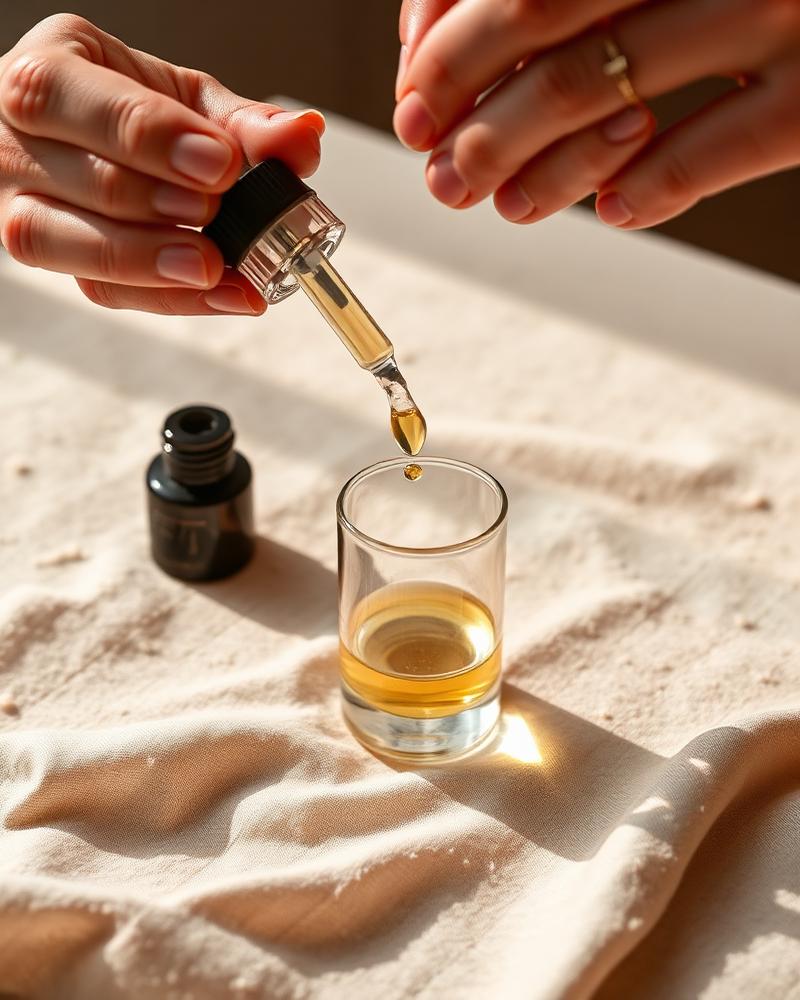
How to Make Your Own Perfume: A Beginner's Guide to Formulation
Demystifying the math behind the top, heart and base notes — a step-by-step guide to using your first DIY perfume kit at home in India.
The Quiet Math of Dilution: Getting Your Perfume Ratios Right at Home
Most home blends fail not because of the oils, but because of the dilution. A working guide to perfume concentration, carrier ratios and the small numbers that decide whether your scent sings or shouts.
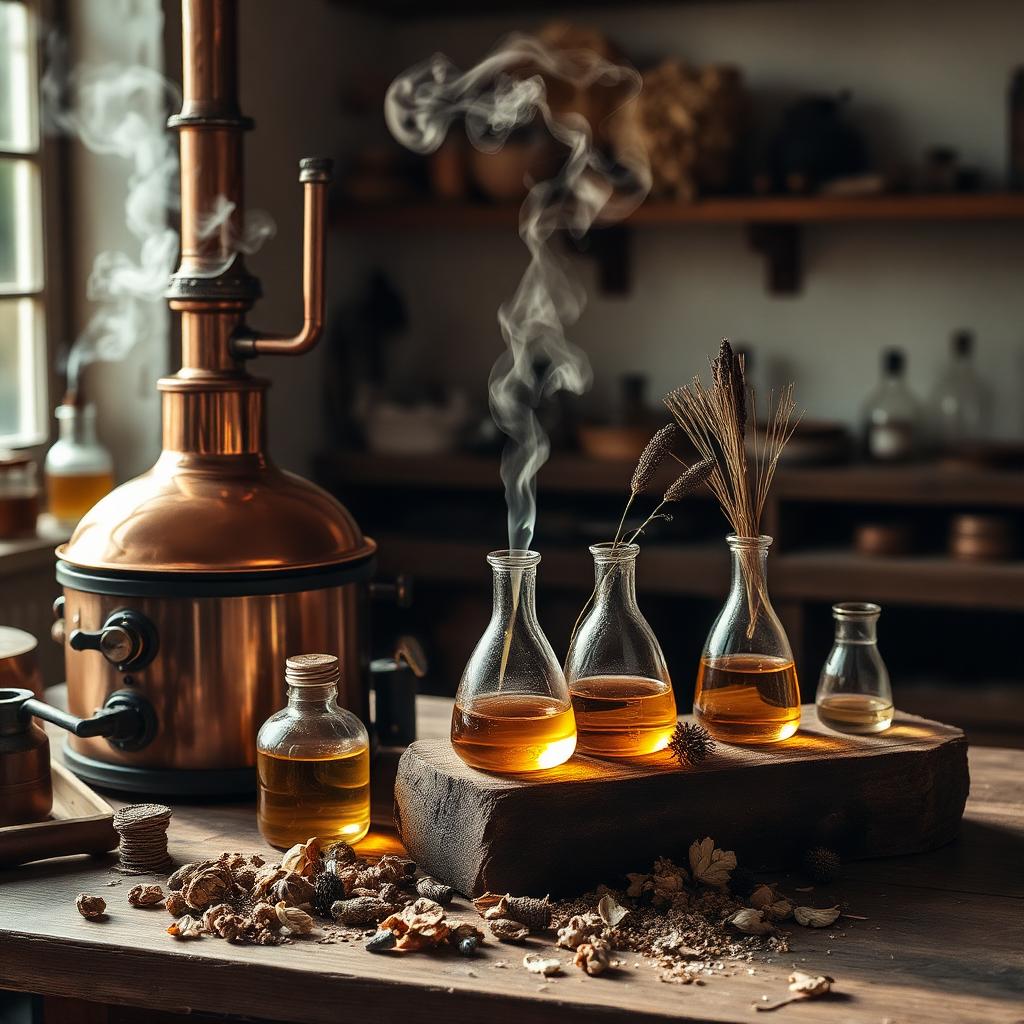
How Perfume Is Made: From Raw Botanical to Bottle, Explained
Perfume is made in four broad stages — sourcing raw materials, extracting their aromatic oils, blending those oils into a formula around top, heart and base notes, then diluting and maturing the blend in alcohol or oil. Here's what actually happens at each stage.
Build a Perfume Together
Date night, gifting, or a quiet evening alone — every Whiff & When kit is an invitation to make something only you could make.
Shop the Kits