The Quiet Rise of Indian Luxury Perfumery
From Kannauj attars to a new generation of independent maisons and DIY fragrance brands, why the global luxury perfume map is being redrawn from India.
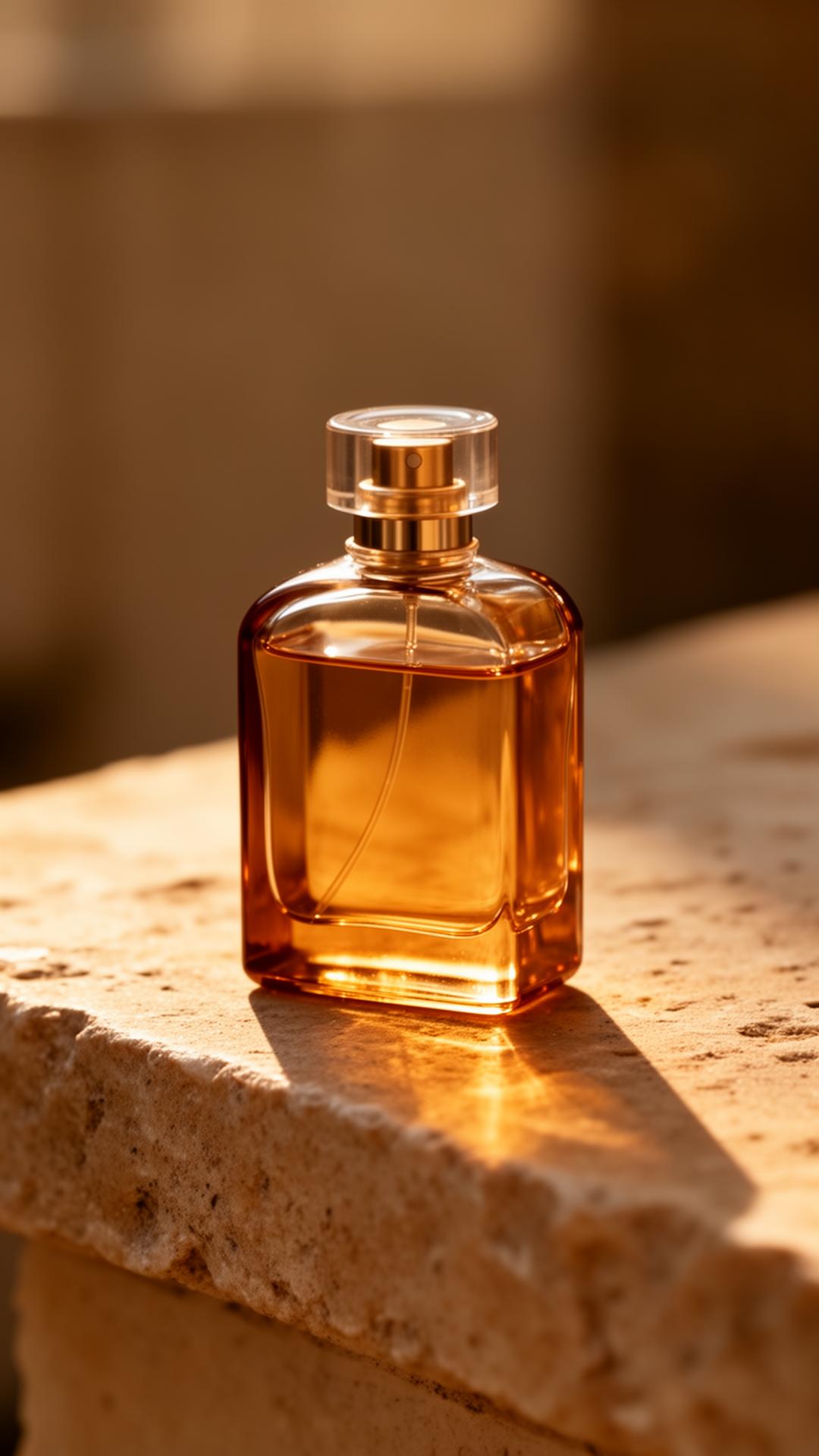
For roughly two centuries the global luxury fragrance industry told one very specific story. Great perfume came from Grasse. Great taste came from Paris. Everything else was raw material to be shipped north for refinement.
It was always partial fiction. The oldest continuous perfumery tradition in the world is in Kannauj, in Uttar Pradesh, where attars have been distilled by hand using copper degs and bamboo bhapkas for more than four hundred years. The mitti attar, distilled from baked clay to capture petrichor, has no European equivalent and never has.
What has shifted in the last decade is the audience. A generation of Indian consumers, well-travelled and brand-literate, has started to read the historical sleight of hand. The same Mysore sandalwood anchoring a thousand-euro bottle in Paris is, in fact, being sourced a couple of hours from where they grew up. Once you see that, you cannot unsee it.
A new wave of Indian independent perfumers is responding. Not by competing with European maisons on European terms, but by building houses that draw openly from the subcontinent's botanical and ritual vocabulary. Oudh, davana, rajnigandha, pichola water, monsoon earth, temple incense, smoked black tea.
The visual language is shifting too. Heavier bottles, quieter label typography, shorter brand stories. The new Indian luxury house does not need to explain itself in three languages. It assumes its buyer is already informed.
Whiff & When sits inside this conversation from a slightly different angle. Our argument is simple: the next chapter of luxury in fragrance is not about the maison's address anymore, it is about the buyer's hand. A personalized perfume blended at home, with oils sourced from the families that have distilled them for generations, is by any honest definition luxury. The Signature Kit is our argument for that, packaged into one box.
The next decade, I suspect, will see the global fragrance map redrawn quietly. Not with shouty marketing campaigns. Just with bottles that no longer need a French name on the label to be taken seriously, and increasingly with bottles the wearer themselves filled.
"The future of luxury perfumery does not smell French. It smells like a Kannauj morning."
Signature Kit ₹3,499
Studio 9 Spectrum palette — nine notes, our widest range from citrus tops to deep woods.
Every kit includes complimentary access to the AI Perfume Studio — personalised recommendations, step-by-step mixing guidance, and a place to save and refine your blends.
Editorial Lead, Whiff & When
Aanya writes about Indian perfumery, scent memory and the slow craft of building a signature fragrance. She has been blending at home for over a decade and leads editorial at Whiff & When.
Stories like this, once a month
Quiet musings on scent, memory and the rituals of personal blending.
Continue Reading
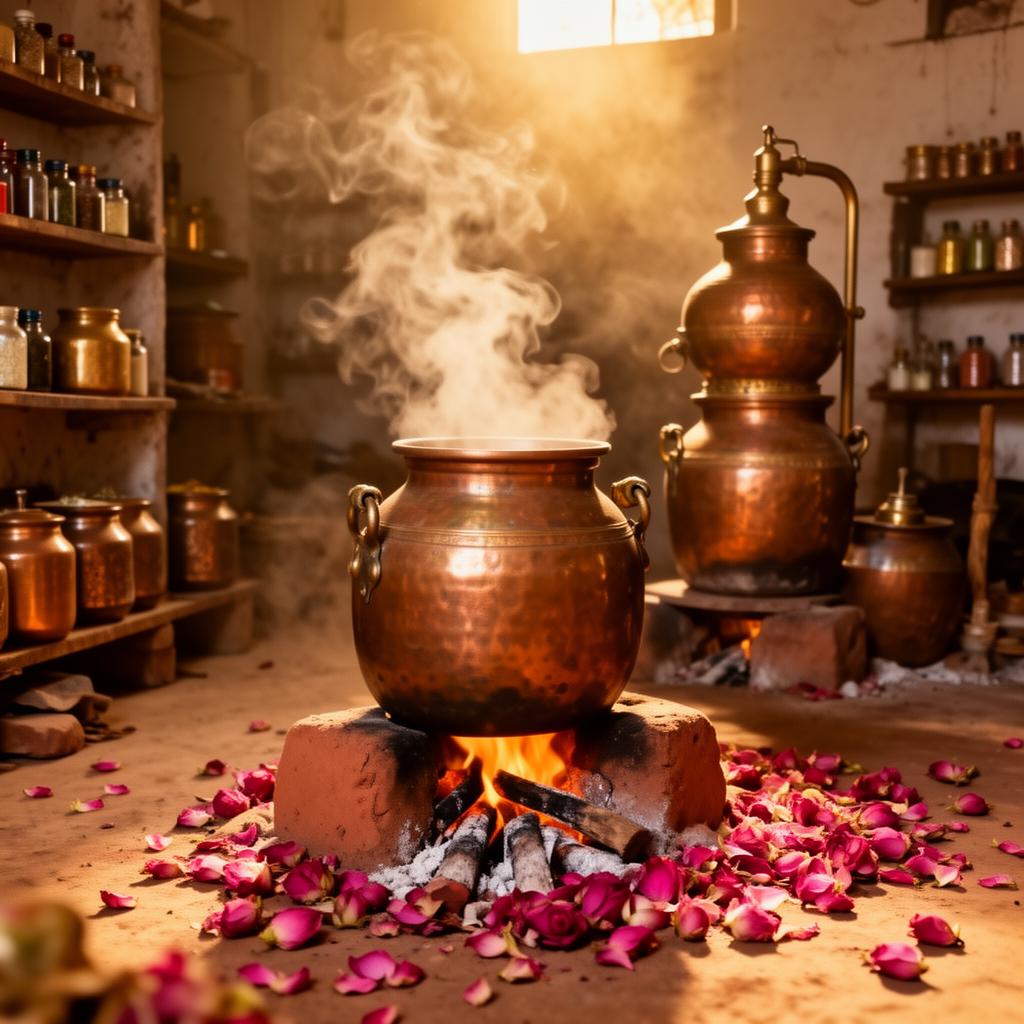
Kannauj: The Tiny UP Town That Quietly Bottles Indian Summer
Kannauj has been distilling attar for over 400 years — and is the only place on earth still making *mitti attar*, the smell of the first monsoon rain. A field-note from India’s perfume capital.
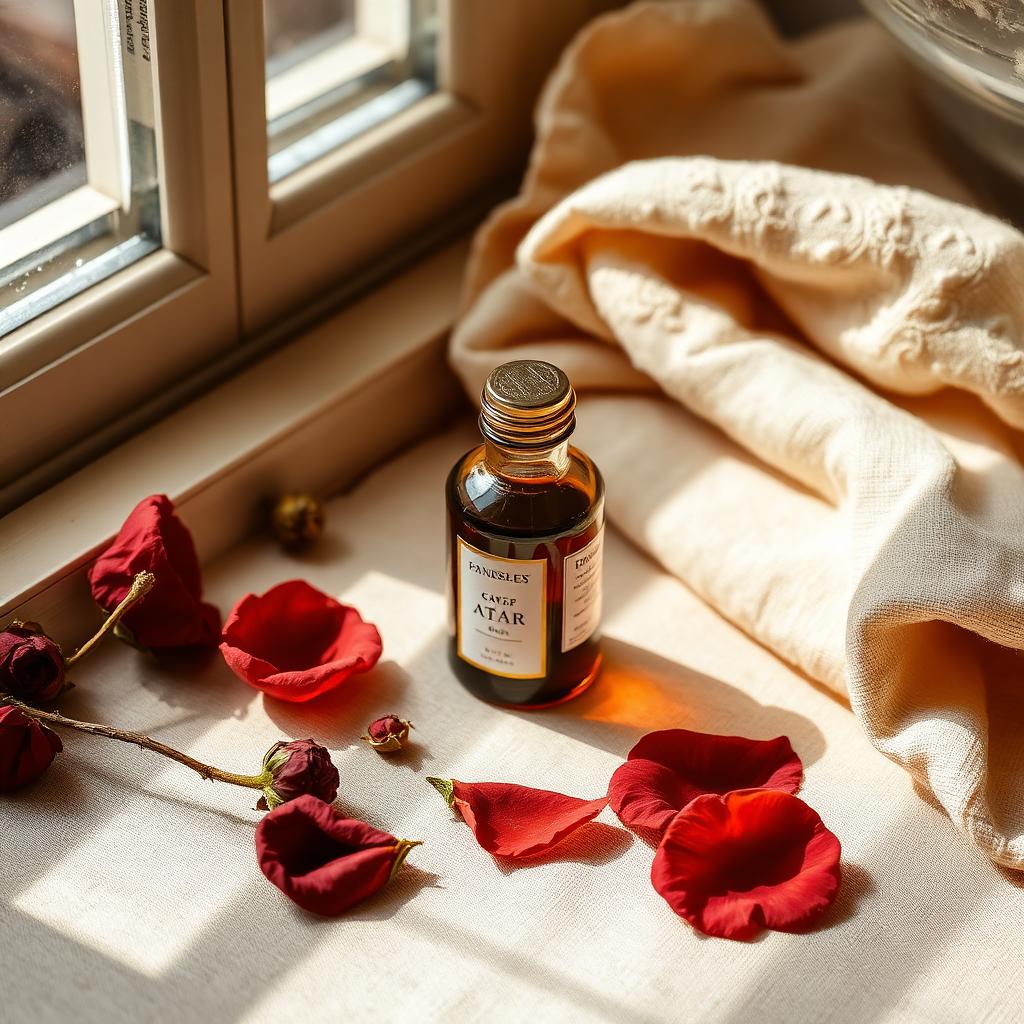
What Is Attar? A Plain-English Guide to India's Oldest Perfume
Attar is a concentrated, alcohol-free perfume oil traditionally distilled in India from flowers, wood, spices or clay onto a sandalwood base. Here's how it differs from modern perfume — and how to actually wear it.
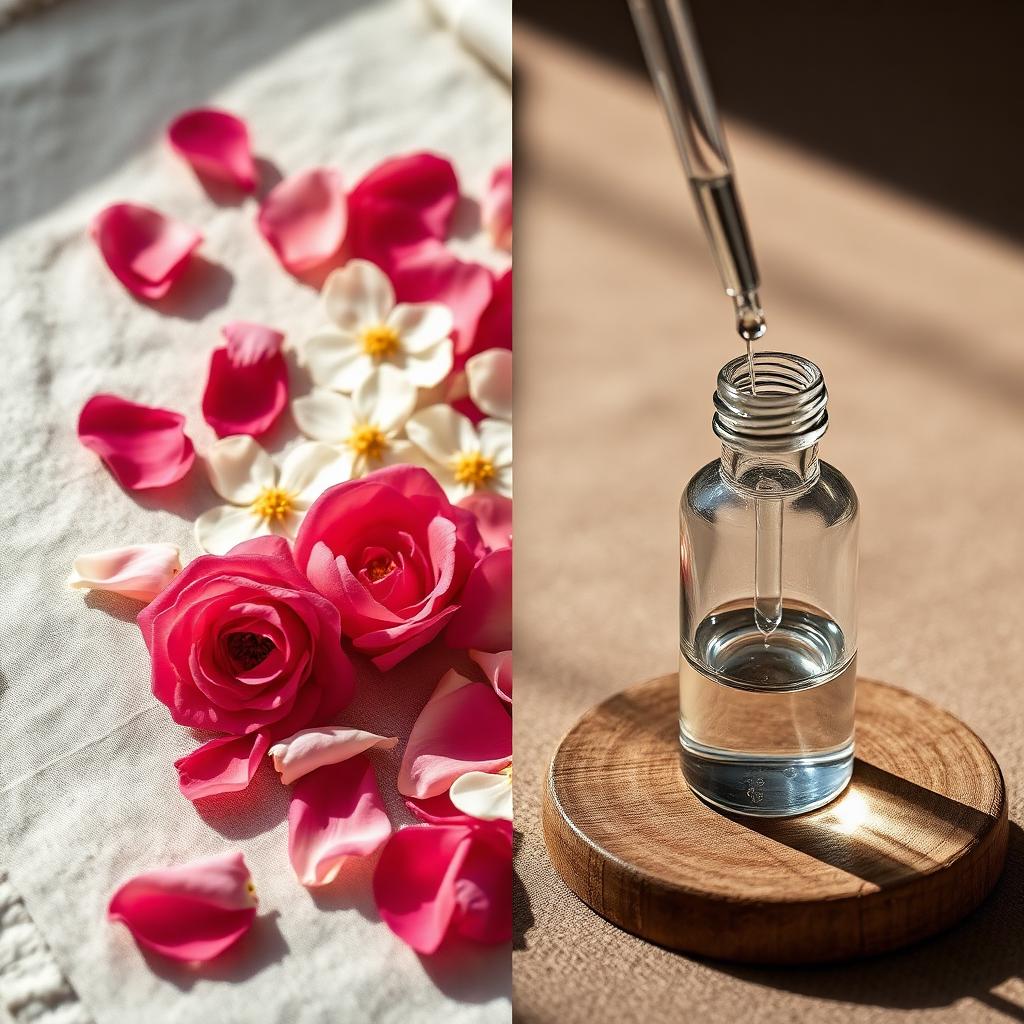
Natural vs Synthetic Perfume: Which Is Actually Better?
Neither is objectively better. Natural perfume uses only essential oils and absolutes — richer, less consistent, more expensive. Synthetic perfume uses lab-made aroma molecules — more stable, safer for skin, and often more sustainable. Most modern perfumes use both.
Build a Perfume Together
Date night, gifting, or a quiet evening alone — every Whiff & When kit is an invitation to make something only you could make.
Shop the Kits