Perfume Psychology: Why We Wear What We Wear
The hidden psychology of perfume choice — and what your favourite bottle, or the personalized blend you mix yourself, says about your nervous system.
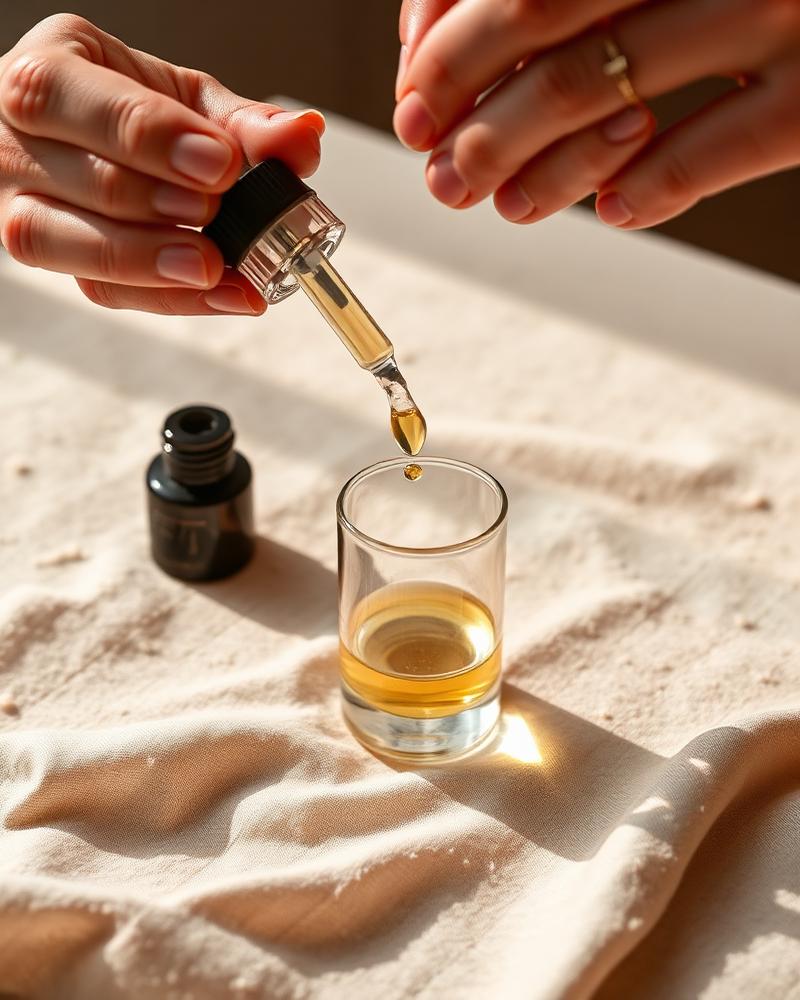
Perfume is one of the only products we buy almost entirely on emotion. Nobody at the Sephora counter is reading the ingredient list. Nobody compares spec sheets. We spray, pause, and inside about four seconds the decision is already made for us.
What is happening in those four seconds is older than commerce. The olfactory bulb has a direct neural line to the limbic system, which is the brain's seat of memory and emotional response. Smell mostly skips the rational cortex on its way in. By the time you have language for a scent your body has already decided whether it is safe.
Which is why people who claim to not care about fragrance still have wildly strong opinions about specific ones. The choice is not really aesthetic. It is regulatory. We reach for scents that calm the particular nervous system we happen to have inherited.
From my clinical practice in Mumbai, the pattern shows up almost weekly. Anxious wearers drift toward warm, edible notes — vanilla, almond, tonka, cocoa. These are the smells of being cared for, of childhood kitchens. There is reasonable evidence they lower salivary cortisol within minutes.
High-arousal wearers, the espresso-and-deadlines crowd, almost always pick green and citrus openings. The brightness matches their internal tempo. Put a so-called calming blend on someone like this and it actually reads as agitating, which is the opposite of what they were sold.
People in transition — a new job, a new city, a marriage just ended — frequently abandon their old signature without quite knowing why. The nervous system is rewriting itself underneath them. The perfume that suited the older version of them no longer fits the new shape.
There is an exercise you can try with any DIY perfume kit at home. Sit with two oils side by side for ten minutes. One warm and edible, one bright and green. Notice which one your shoulders drop for. That is your nervous system speaking in the only language it has.
A personalized perfume, blended by you with some intent, is not really vanity. It is one of the cheapest, most precise tools of self-regulation I know — a daily, wearable mood prescription you wrote in your own hand. The Alchemist Kit is built for exactly this kind of small, ongoing self-experiment.
The bottle on your dresser is not decoration. It is a small daily act of self-regulation. Choose it, or better still build it, accordingly.
"We do not choose perfumes. We choose the version of ourselves we want to walk into a room as."
Alchemist Kit ₹2,499
Studio 6 Reserve palette — Sandalwood, Saffron, Orris Root, Woody Amber, Tonka Bean, Leather.
Every kit includes complimentary access to the AI Perfume Studio — personalised recommendations, step-by-step mixing guidance, and a place to save and refine your blends.
Olfactory Psychologist, PhD
Dr. Mehta holds a PhD in sensory psychology and writes about why we wear what we wear — the emotional architecture of personal scent.
Stories like this, once a month
Quiet musings on scent, memory and the rituals of personal blending.
Continue Reading
How to Choose a Perfume: A Step-by-Step Guide That Actually Works
To choose a perfume, identify the fragrance family you're drawn to, test at least three options on skin (not paper), wear each one for a full day before deciding, and buy the one you're still thinking about at bedtime. Here's the full method.
Unisex Perfume: The Case for Scent Without Borders
Why the gender label on the bottle is the least interesting thing about it — and why a DIY perfume kit is the most honest way to find a unisex signature scent.
The Poetics of Sandalwood: Building an Indian Signature Scent at Home
Mysore sandalwood is the quiet anchor of Indian perfumery — and the easiest base note to start with when you make your own perfume at home with a DIY kit.
Build a Perfume Together
Date night, gifting, or a quiet evening alone — every Whiff & When kit is an invitation to make something only you could make.
Shop the Kits