What Is Attar? A Plain-English Guide to India's Oldest Perfume
Attar is a concentrated, alcohol-free perfume oil traditionally distilled in India from flowers, wood, spices or clay onto a sandalwood base. Here's how it differs from modern perfume — and how to actually wear it.
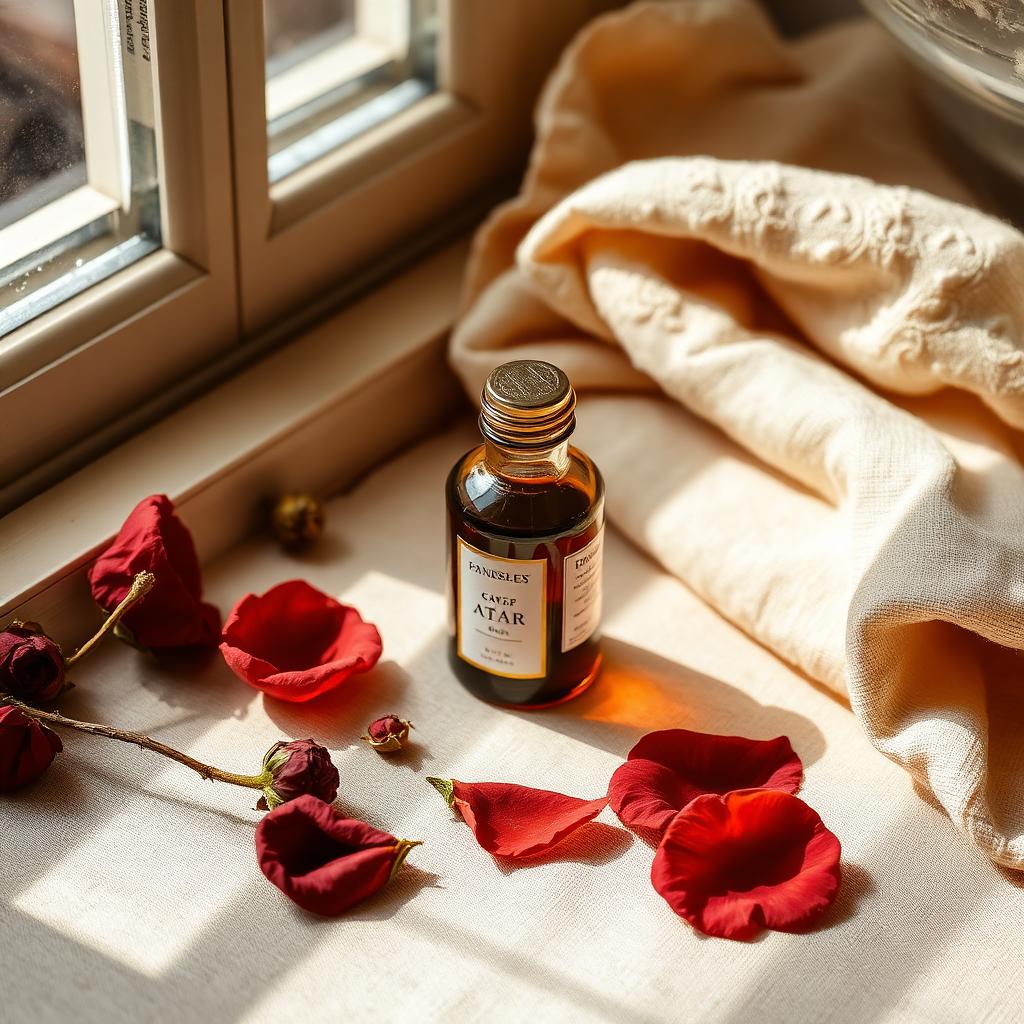
Attar is a concentrated, alcohol-free perfume oil traditionally distilled in India — most famously in Kannauj, Uttar Pradesh — where flowers, wood, spices or even monsoon-soaked earth are hydro-distilled directly onto a base of sandalwood oil. That single sentence answers what most people are actually asking when they type 'what is attar' into Google. Everything after this is context.
The word itself comes from the Arabic 'itr, meaning perfume or aromatic. In India, the craft is old enough that Mughal court records mention it casually, the way we mention chai. Kannauj has been distilling attar for over four hundred years using copper deg-and-bhapka apparatus that still looks, from a distance, like something out of a Persian miniature.
So how is attar actually made?
Flowers go into a copper deg with water. The deg is sealed with a paste of clay and cotton and heated over a wood fire. Vapour travels through a bamboo pipe into a bhapka — a receiving vessel already holding sandalwood oil — which sits in a tank of cool water. The aromatic vapour condenses straight into the sandalwood rather than into water, and that is the whole trick.
It takes days. A single batch of rose attar might run fifteen to twenty distillation cycles over as many days, with the distiller pouring off water, checking the oil, judging by smell and by the weight of the bhapka in his hands. Nobody uses a thermometer. Kannauj distillers read the fire by the sound of the deg.
This is why real attar is expensive and why so much of what is sold as attar is not attar. It also explains the sandalwood dependency: as Mysore sandalwood became protected and scarce, prices rose sharply and many houses switched to a liquid paraffin base to survive.
What makes attar different from perfume?
Perfume in the modern sense is aromatic compounds diluted in alcohol, usually 15–20% for an EDP. You spray it, the alcohol flashes off in seconds, and the scent blooms outward into the air around you. Attar is 100% oil, applied in tiny amounts to pulse points, and it hums close to the skin. It does not project across a room. It rewards the person who leans in.
The base matters more than most people realise. Traditional attar uses sandalwood oil as its carrier, which means the sandalwood is a co-author of every note that sits on top of it — a rose attar on sandalwood is a fundamentally different object from a rose oil in DPG. Modern cheap attars use paraffin or DPG instead. Those are fine. They are just a different animal, closer to a perfume oil than a true attar.
If you want the two placed side by side in more detail, we did that here: attar vs perfume, and what Indians actually mean by ittar.
The three families you will meet
Floral attars come first for most people — rose (gulab), jasmine (mogra and chameli), kewda, khus. These are the ones sold in every old-city lane, and the ones most likely to be adulterated, because a convincing rose reconstruction costs a fraction of the real distillation.
Woody and resinous is the second family: oud, sandalwood itself, agarwood blends, amber accords. These are the attars that survive Indian heat best and the ones that reward patience — an oud attar you dislike in the first ten minutes is often magnificent at hour three.
Then the one with no European equivalent. Mitti attar, distilled from baked clay discs taken from the first sun-hardened earth of the season, smells exactly like the moment before rain in July. Petrichor in a bottle, made by hand in one town on earth. If you have never smelled mitti, put it on your list ahead of everything else.
How to wear attar without wasting it
One dab, not a spray. Behind the ear, inside the wrist, base of the throat, and if you are dressing for a wedding, one small touch at the nape under your hair. Do not rub your wrists together — you will bruise the top notes and shorten the whole wear by an hour or two.
Attar warms up on skin over 20–30 minutes and then stays quietly for six to ten hours. In Indian heat this is an advantage: alcohol-based perfumes evaporate faster at 38–42°C, attar does not. Applied to clothing — a dupatta hem, the inside of a collar — it can still be there four days later.
A practical note nobody tells beginners. Attar goes on before you dress, not after, and never onto silk directly. Give it two minutes to absorb. And go lighter than instinct tells you in an AC office; enclosed cold air holds scent far longer than an open verandah does.
What should attar cost in India?
Rough bands, from someone who buys these regularly. A genuine small-batch floral attar in a 3ml vial runs ₹800–2,500. A real sandalwood-based rose attar from Kannauj, ₹2,000–6,000 for the same size. Oud attars start around ₹3,000 and have no upper limit worth quoting. Mitti attar, being cheap to source and laborious to make, usually sits at ₹600–1,500.
Anything sold at ₹150 for 10ml in a market is a fragrance oil in a paraffin base. Not a scam exactly — plenty of them smell pleasant — but know what you are buying. Ask what the base is. A seller who answers 'sandalwood' without hesitating and can tell you the distillation town is usually telling the truth.
Should you buy attar or blend your own?
Buy it if you want the traditional article — a hydro-distilled Kannauj attar is a piece of craft you cannot replicate at home, and pretending otherwise would be silly. There is no home method that produces mitti attar.
Blend your own if what you want is a personal scent in the attar format: your proportions, your notes, close to the skin, no alcohol. That part is genuinely achievable in an evening. Our Alchemist Kit is the closest palette we make to a traditional Indian accord — Sandalwood, Saffron, Orris Root, Tonka Bean and Leather — so you can layer the way old Kannauj perfumers did, one drop at a time.
One last note. Attar is not a smaller perfume. It is an older one. Wear it like something that has been waiting a thousand years to sit on your skin, and it will behave accordingly.
"Attar is not a smaller perfume. It is an older one."
Alchemist Kit ₹2,499
Studio 6 Reserve palette — Sandalwood, Saffron, Orris Root, Woody Amber, Tonka Bean, Leather.
Every kit includes complimentary access to the AI Perfume Studio — personalised recommendations, step-by-step mixing guidance, and a place to save and refine your blends.
Frequently asked
- Is attar the same as perfume?
- No. Attar is a concentrated, alcohol-free perfume oil traditionally distilled onto a sandalwood base. Perfume (EDP or EDT) is aromatic compounds diluted in alcohol and sprayed. Attar sits close to the skin; perfume projects outward into the room.
- Is attar better than perfume?
- Neither is better — they do different jobs. Attar wins on longevity, heat tolerance and intimacy, and suits weddings, prayer and close settings. Spray perfume wins on presence and on that layered opening you notice in the first hour. Most people who love scent keep both.
- Is attar alcohol-free?
- Traditional attar is 100% oil-based and contains no alcohol, which is why it is widely used for religious occasions and by people whose skin reacts badly to alcohol-based sprays. Some inexpensive market attars are diluted in paraffin or DPG rather than sandalwood, but they are still alcohol-free.
- How long does attar last on skin?
- Six to ten hours on skin from a single dab, and considerably longer on fabric — a dupatta can hold it for days. In hot weather it usually outlasts an alcohol perfume, because there is no alcohol to flash off in the first minutes.
- How much attar should I apply?
- One small dab per pulse point is plenty — inside the wrist, behind the ear, or the base of the throat. Do not rub it in, as that damages the top notes. Use less in an air-conditioned room, where scent lingers far longer than outdoors.
- What is mitti attar?
- Mitti attar is distilled from sun-baked earth after the first monsoon rains, and it smells like petrichor — rain hitting dry ground. Kannauj is essentially the only place still making it, using clay discs fired and then distilled onto sandalwood oil.
- How can I tell if attar is real?
- Ask what the carrier base is; a genuine attar is on sandalwood oil, not paraffin or DPG. Real attar warms and changes over 20–30 minutes on skin rather than smelling identical from the first second, and it will not be priced at ₹150 for 10ml.
Perfumery Researcher
Meher researches traditional Indian attar craft — Kannauj distilleries, mitti attar, oud — and translates it for modern home blenders.
Stories like this, once a month
Quiet musings on scent, memory and the rituals of personal blending.
Continue Reading
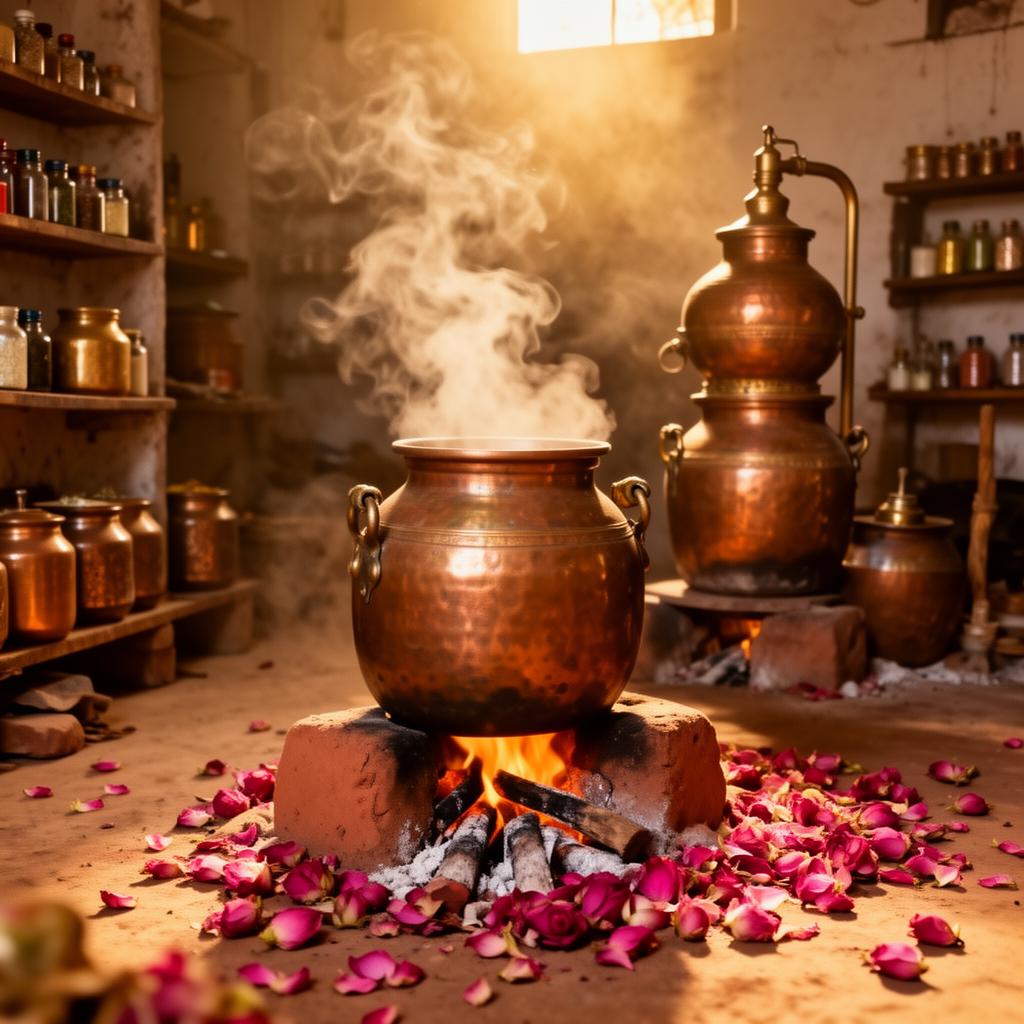
Kannauj: The Tiny UP Town That Quietly Bottles Indian Summer
Kannauj has been distilling attar for over 400 years — and is the only place on earth still making *mitti attar*, the smell of the first monsoon rain. A field-note from India’s perfume capital.
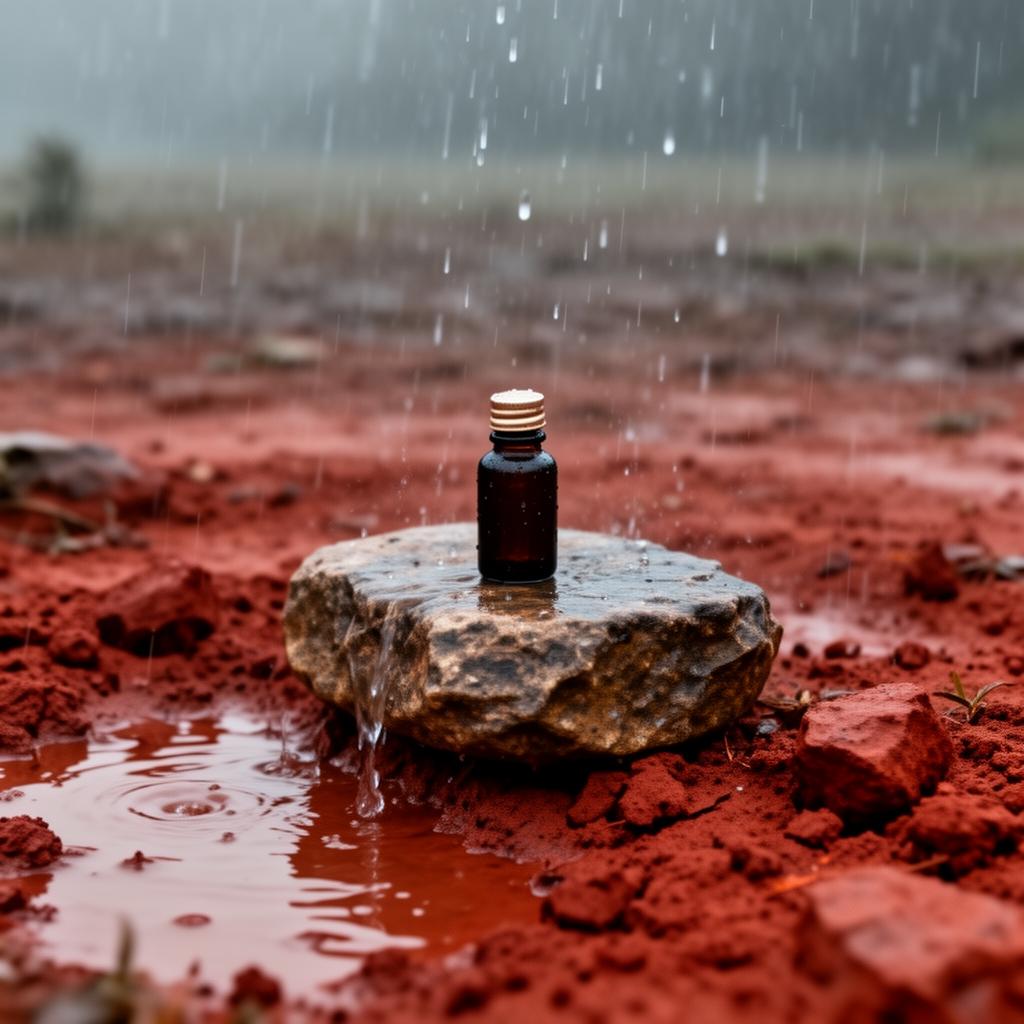
Mitti Attar: How India Bottled the Smell of the First Monsoon
Petrichor — that smell of the first rain on dry earth — has been distilled in Kannauj for 400 years. The science, the nostalgia, and how to recreate it in your own blend.
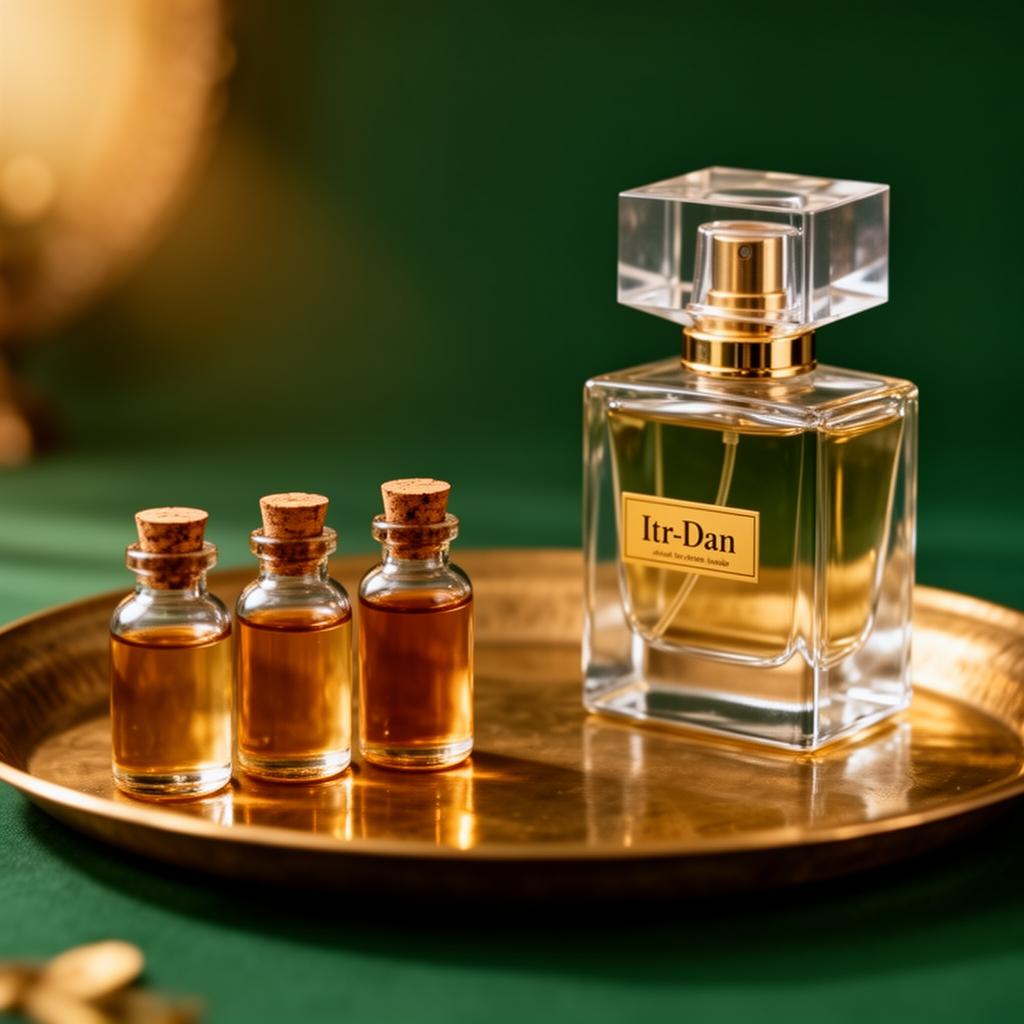
Attar vs Perfume: What Indians Actually Mean When They Say ‘Ittar’
Attar, ittar, eau de parfum, EDT — the words get used interchangeably in India but they are not the same thing. A plain-English guide for anyone choosing a scent (or building one).
Build a Perfume Together
Date night, gifting, or a quiet evening alone — every Whiff & When kit is an invitation to make something only you could make.
Shop the Kits