Meher Singh
Meher researches traditional Indian attar craft — Kannauj distilleries, mitti attar, oud — and translates it for modern home blenders.
Stories by Meher
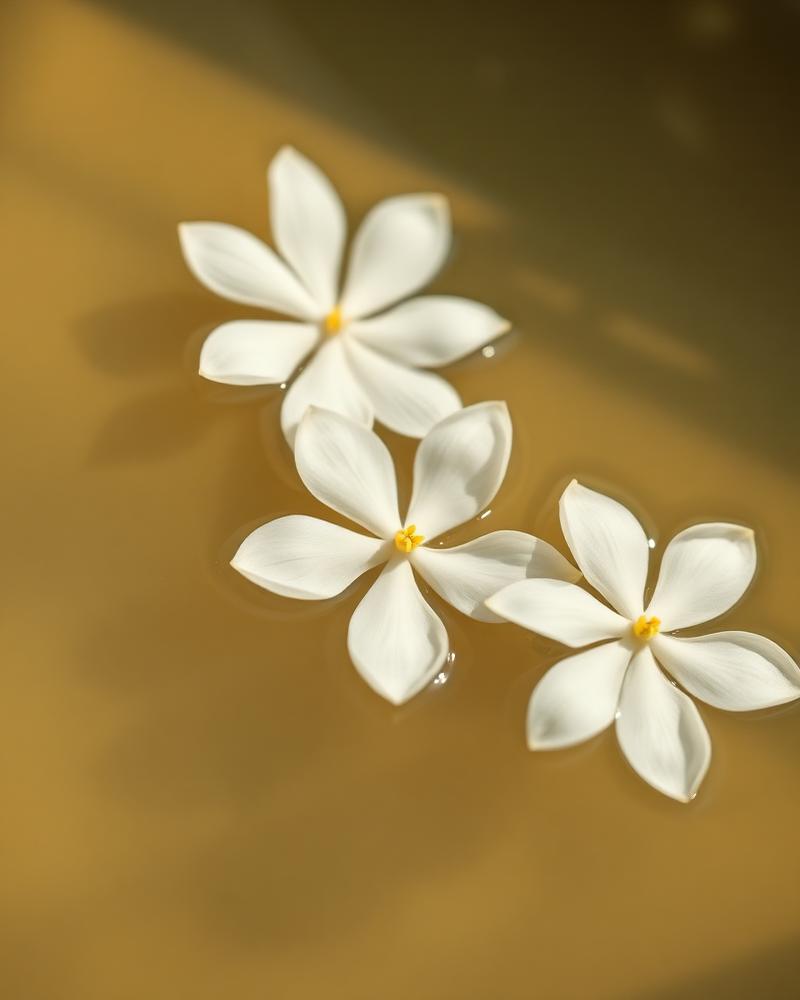
Anatomy of a Perfume Note: Top, Heart and Base, Explained
A working guide to the three-act structure of every fragrance — and how to use top, heart and base notes when you blend your own perfume with a DIY kit.
Chasing Night-Blooming Jasmine: A Note on Indian Florals
A pre-dawn journey through the floral markets of Madurai, the truth about Parijat attar, and how to use Indian jasmine as a heart note in a DIY perfume kit.
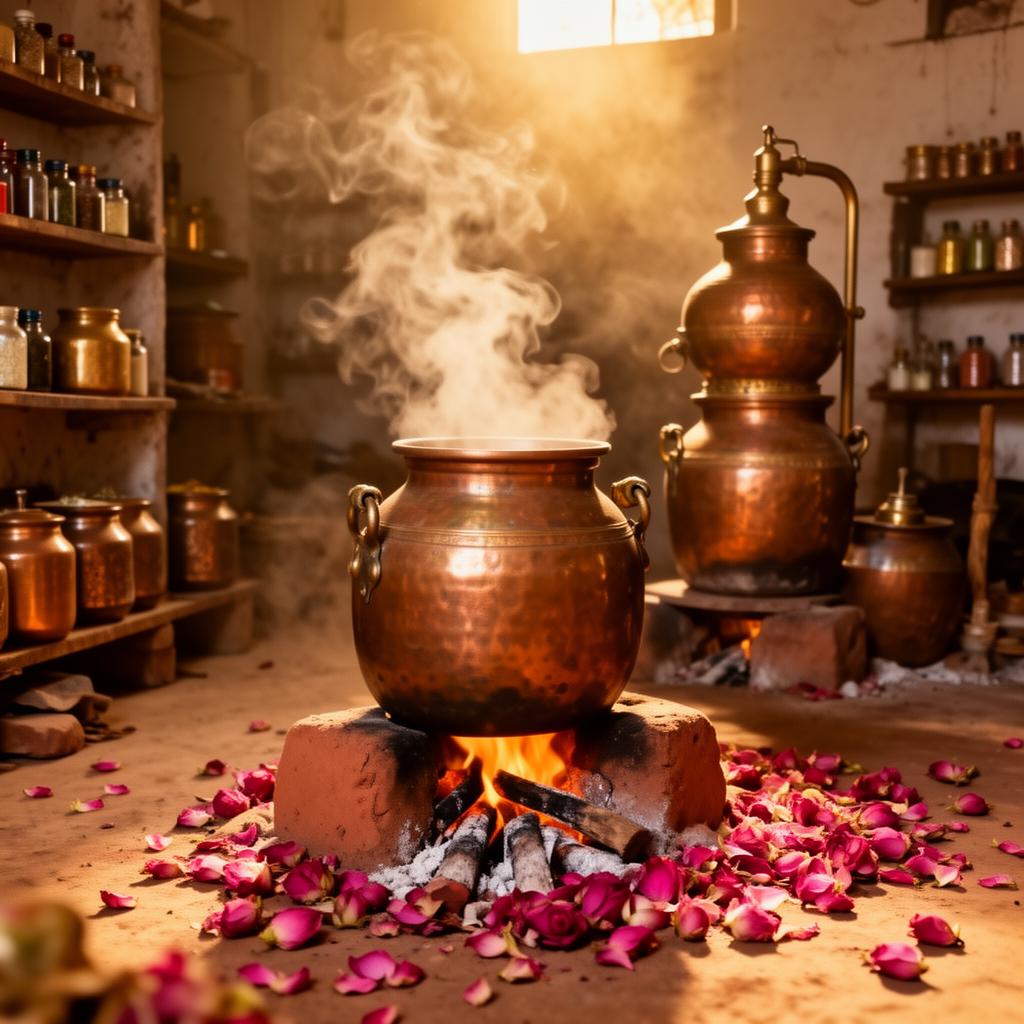
Kannauj: The Tiny UP Town That Quietly Bottles Indian Summer
Kannauj has been distilling attar for over 400 years — and is the only place on earth still making *mitti attar*, the smell of the first monsoon rain. A field-note from India’s perfume capital.
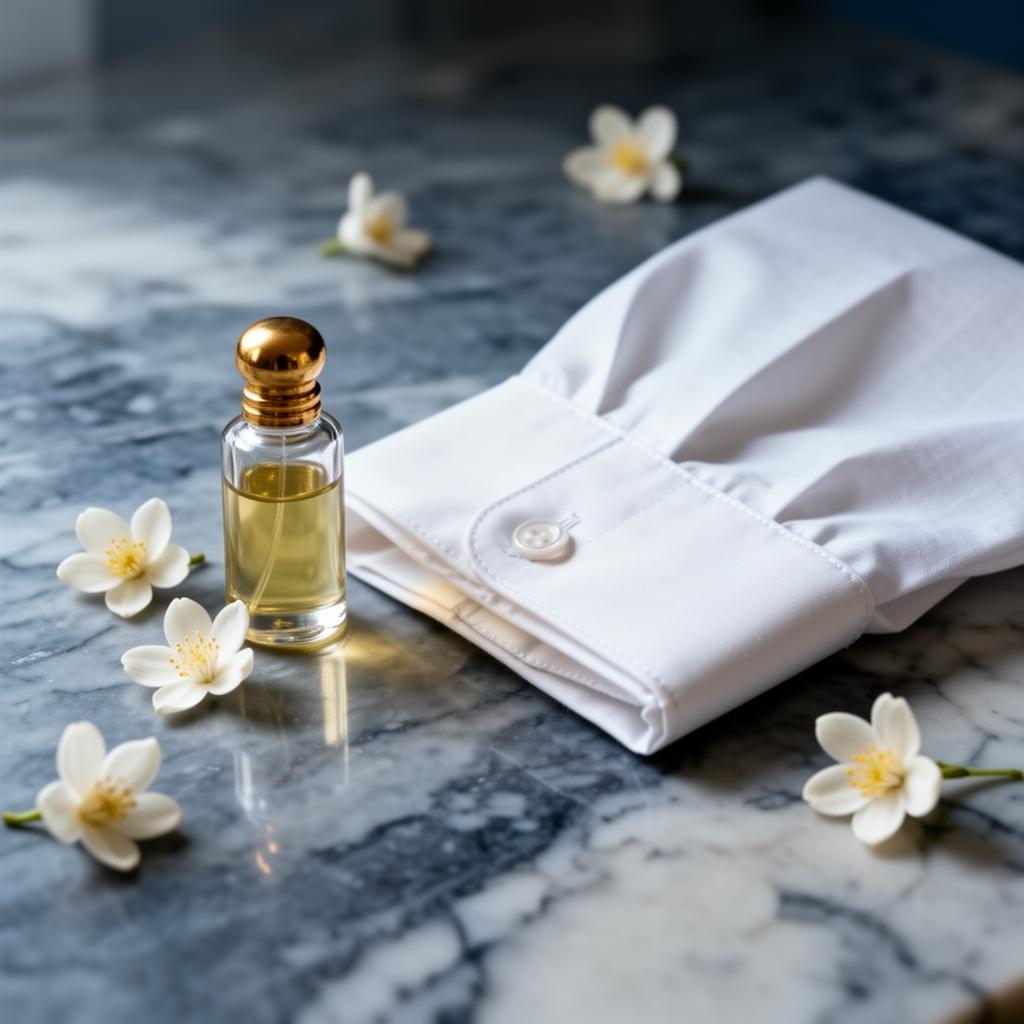
How to Apply Attar So It Actually Lasts: An Indian Climate Guide
Attar is concentrated oil — applied wrong, it disappears in an hour; applied right, it lasts into the next morning. A practical guide for Indian skin and Indian weather.
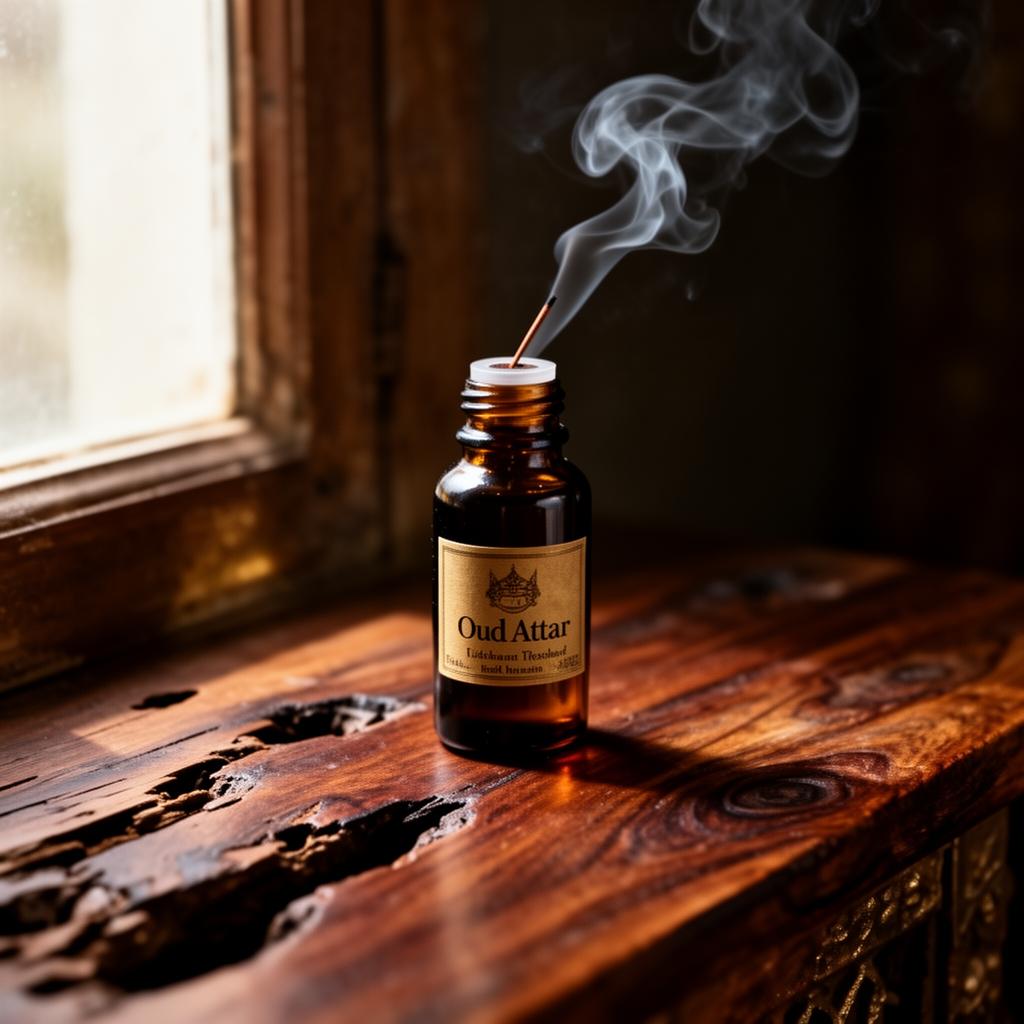
Oud Attar: A Practical Guide to Wearing It Well
Oud is the most expensive raw material in modern perfumery — and the most misunderstood. A practical guide to oud attar, layering it, and using it in DIY blends.

How to Make Perfume Last in Indian Summer
40°C heat, AC offices, two-wheeler commutes and the smell of one’s own sweat by 11 AM. A practical handbook for keeping fragrance alive in actual Indian weather.
The Quiet Math of Dilution: Getting Your Perfume Ratios Right at Home
Most home blends fail not because of the oils, but because of the dilution. A working guide to perfume concentration, carrier ratios and the small numbers that decide whether your scent sings or shouts.
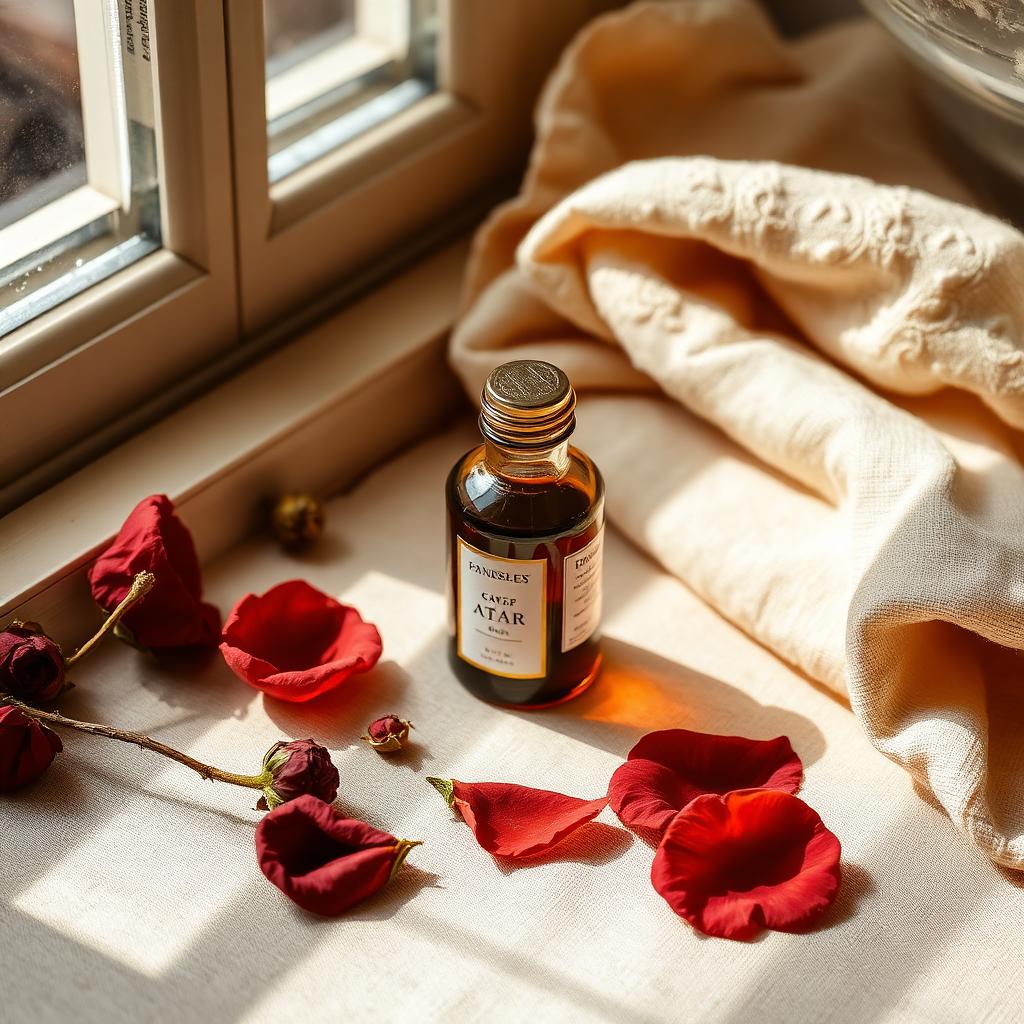
What Is Attar? A Plain-English Guide to India's Oldest Perfume
Attar is a concentrated, alcohol-free perfume oil traditionally distilled in India from flowers, wood, spices or clay onto a sandalwood base. Here's how it differs from modern perfume — and how to actually wear it.
Top Notes, Heart Notes, Base Notes: What They Are and Why They Matter
Top notes are the first 15–30 minutes of a perfume, heart notes are the two-to-four-hour body, and base notes are everything that lingers overnight. That three-act structure is why a fragrance smells different at 9 AM and 9 PM.